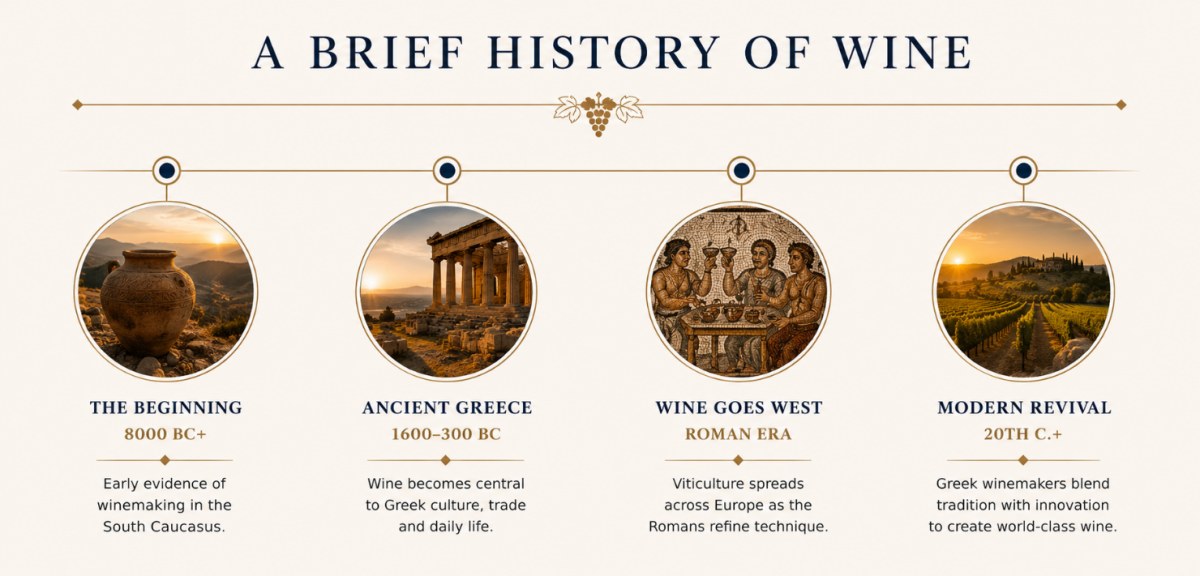
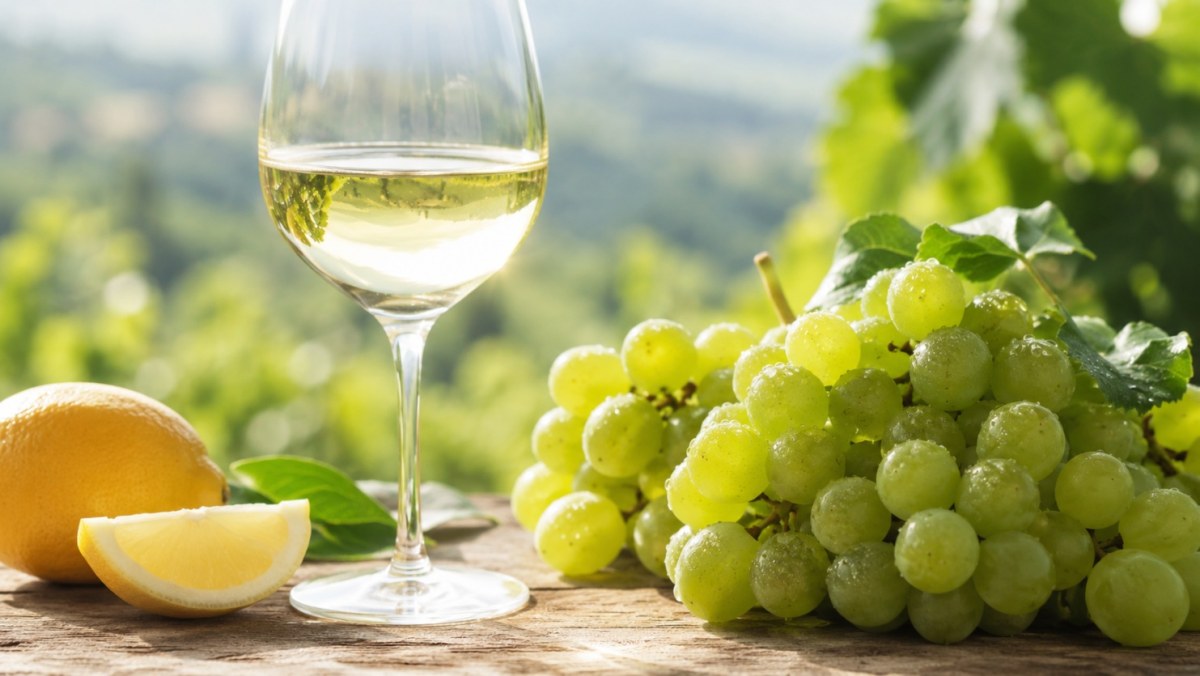
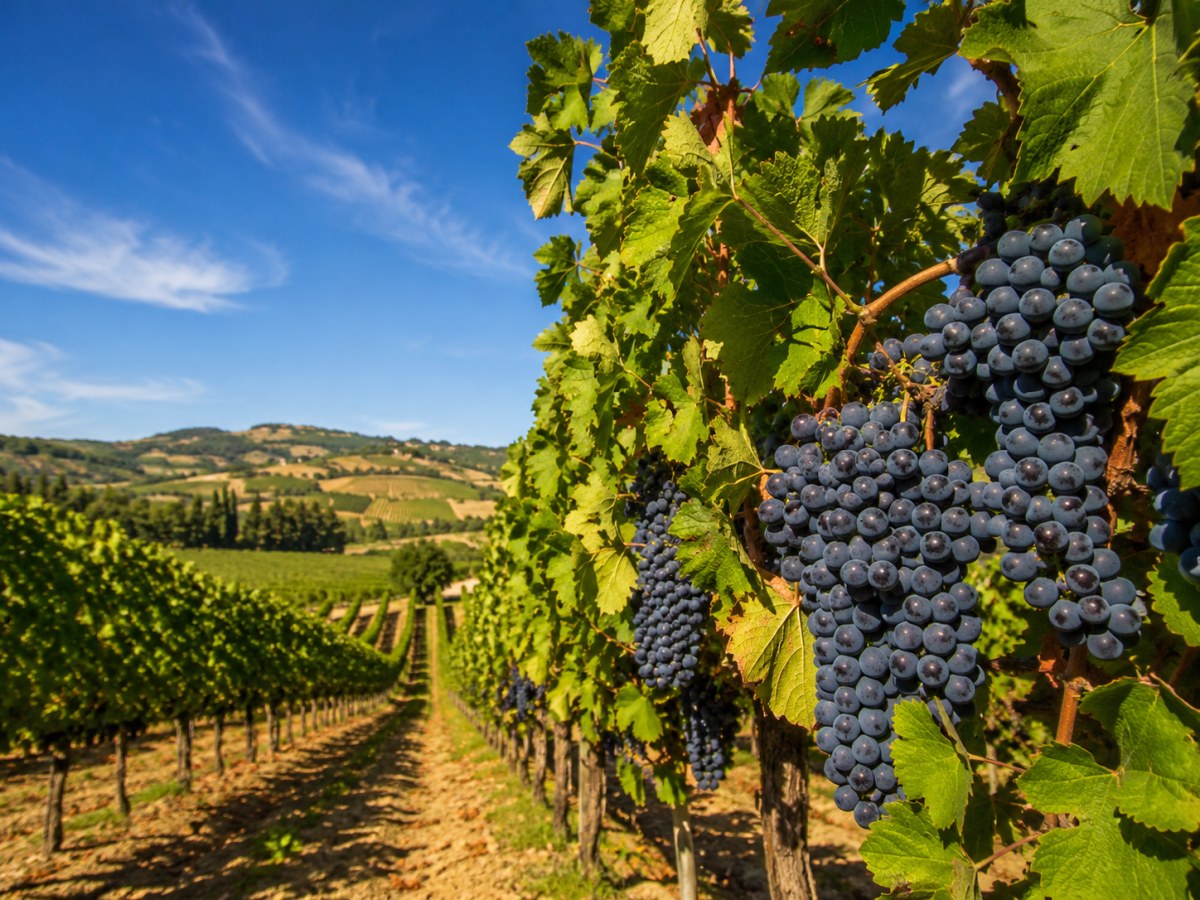
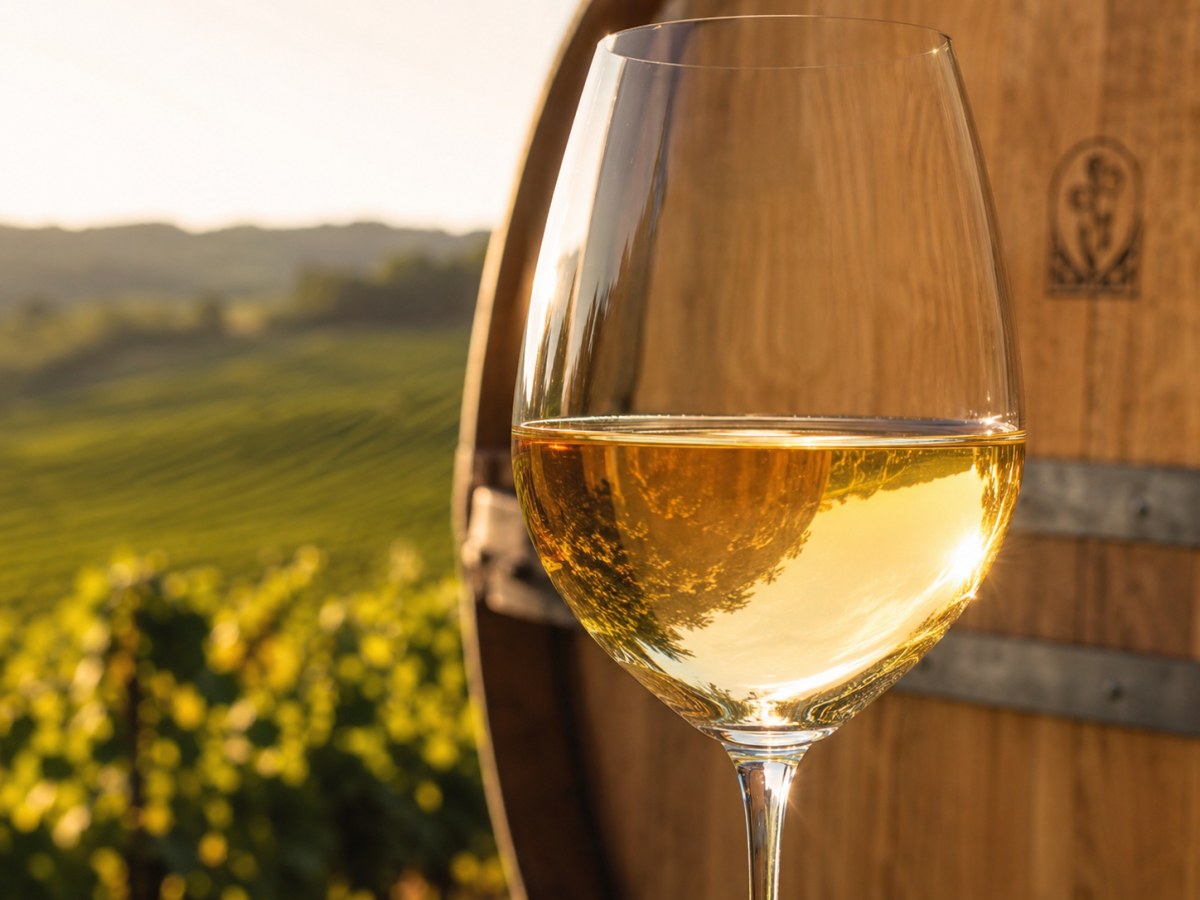
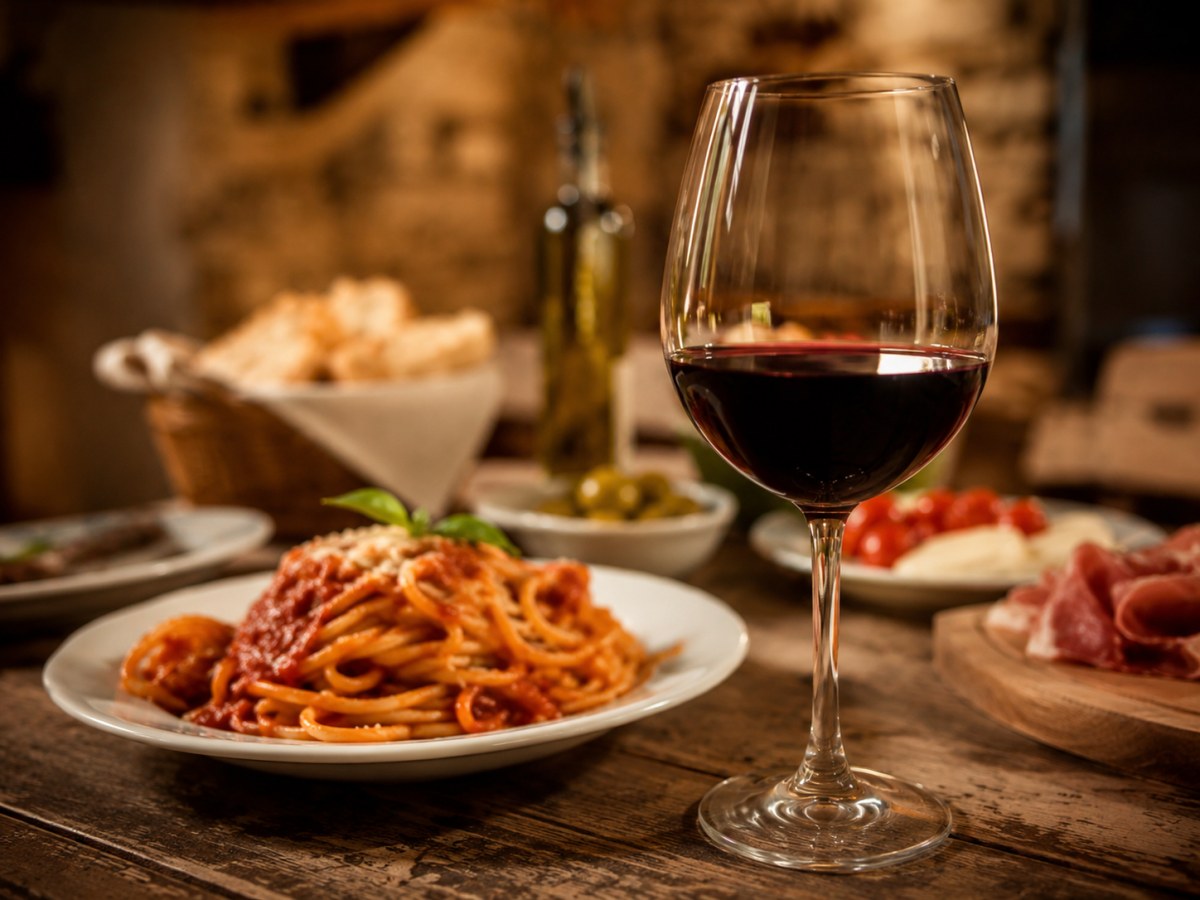
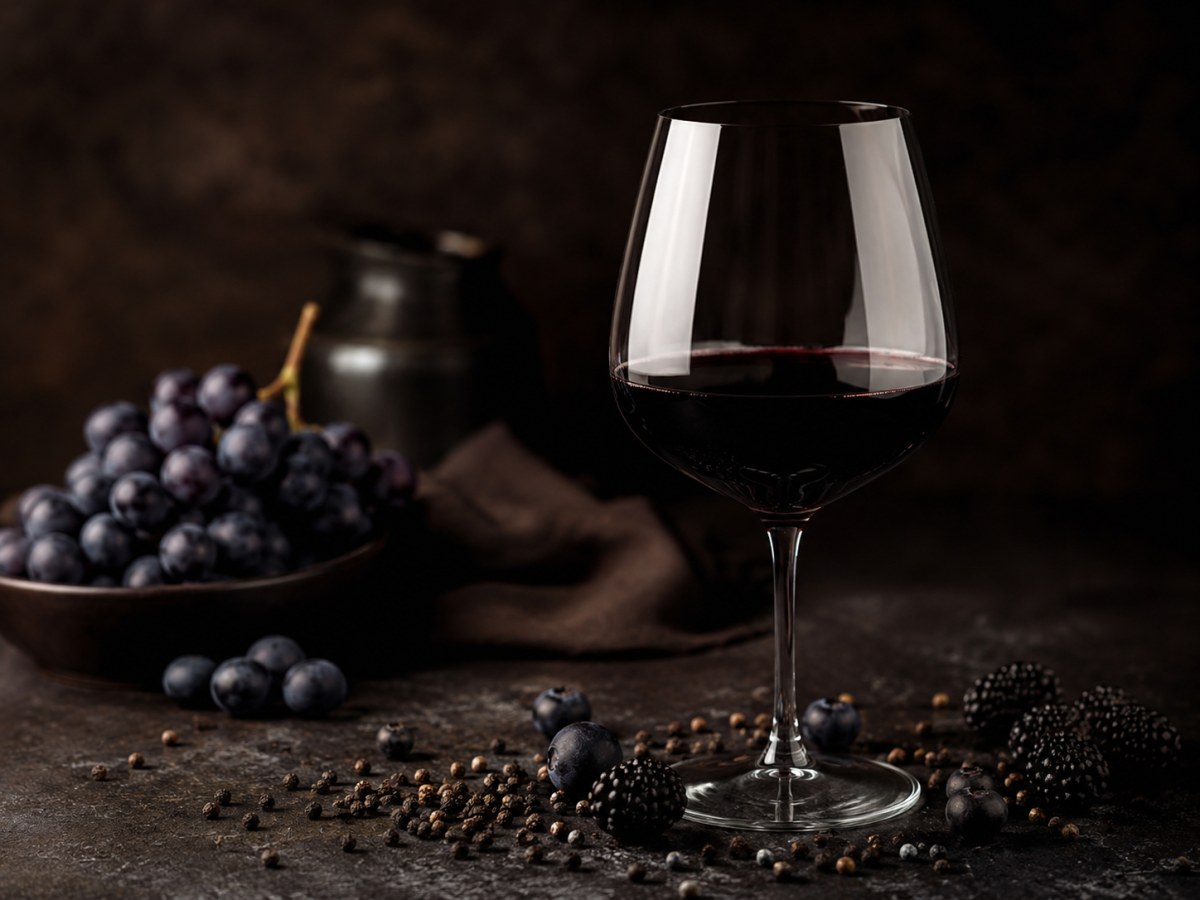
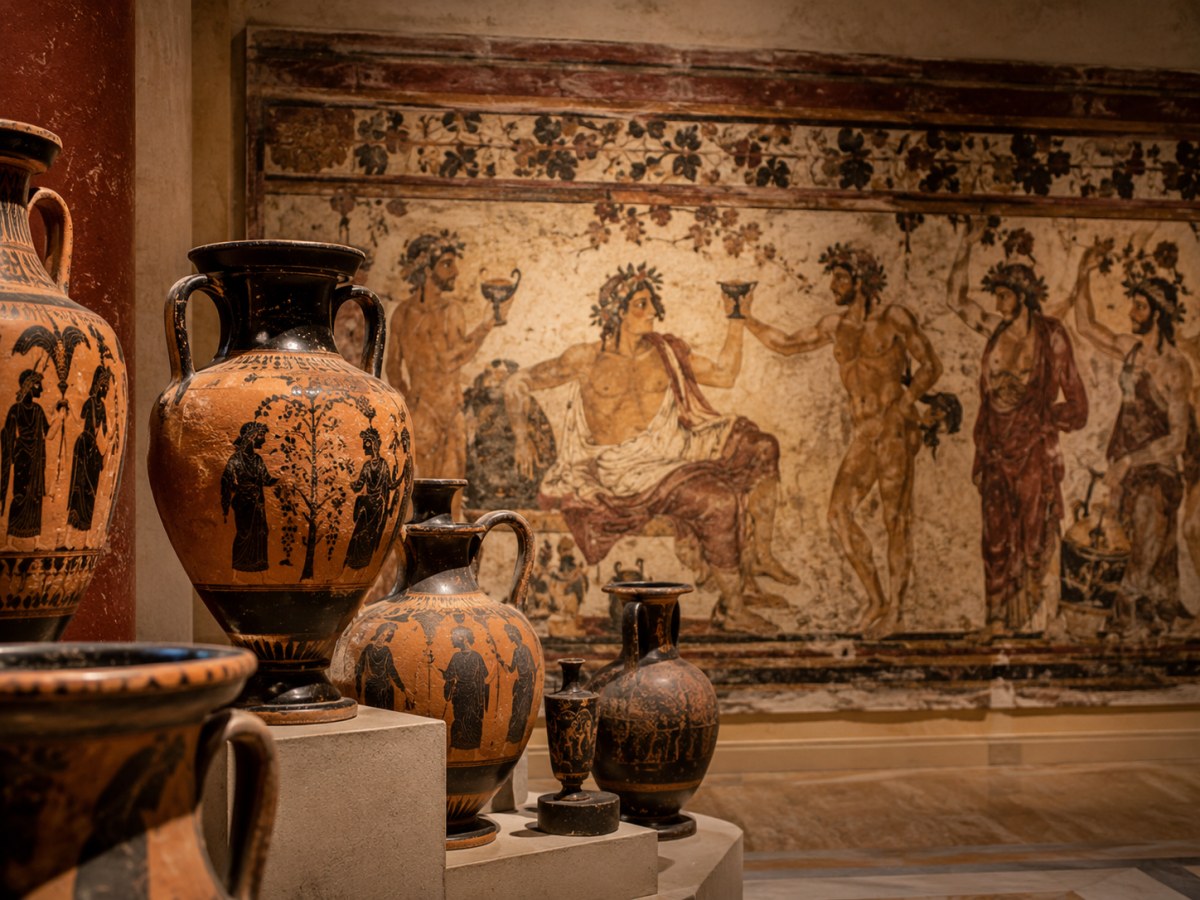
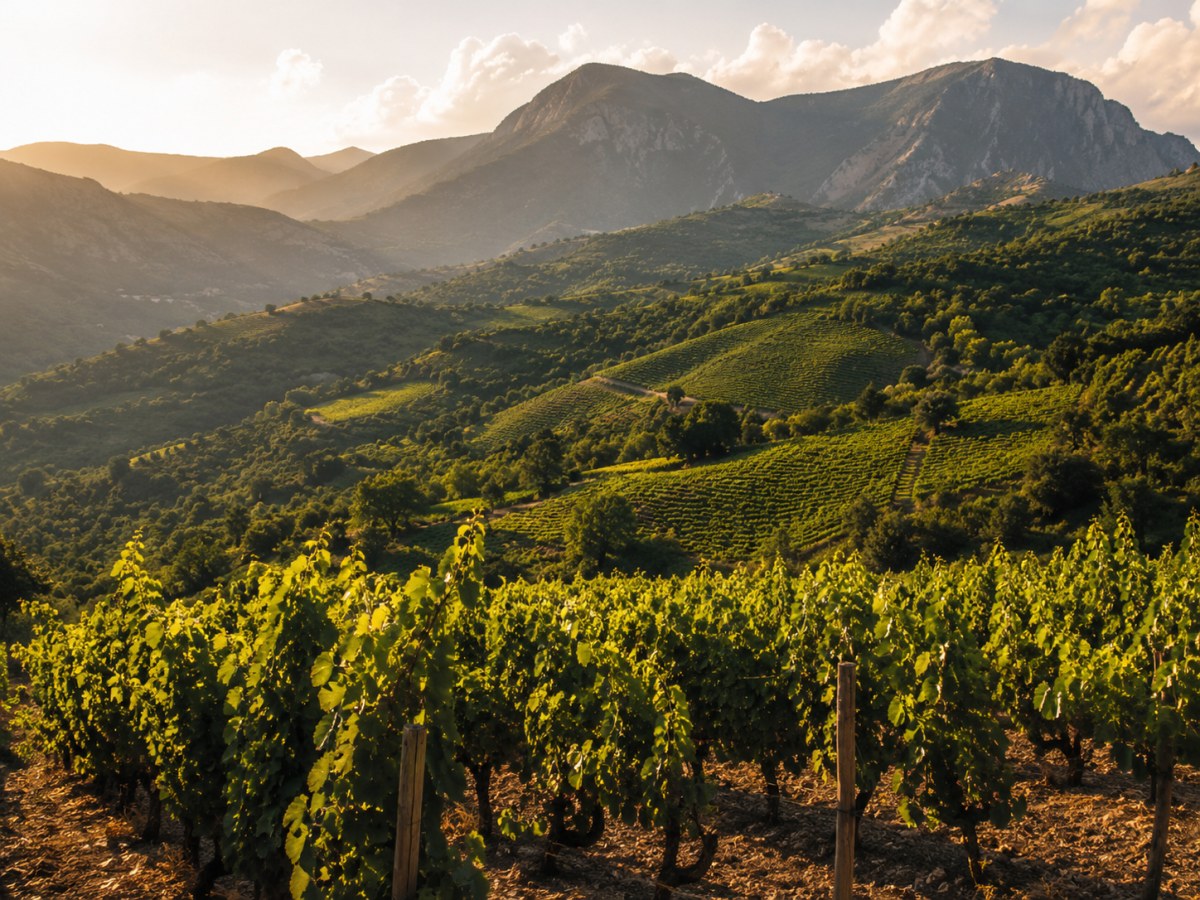
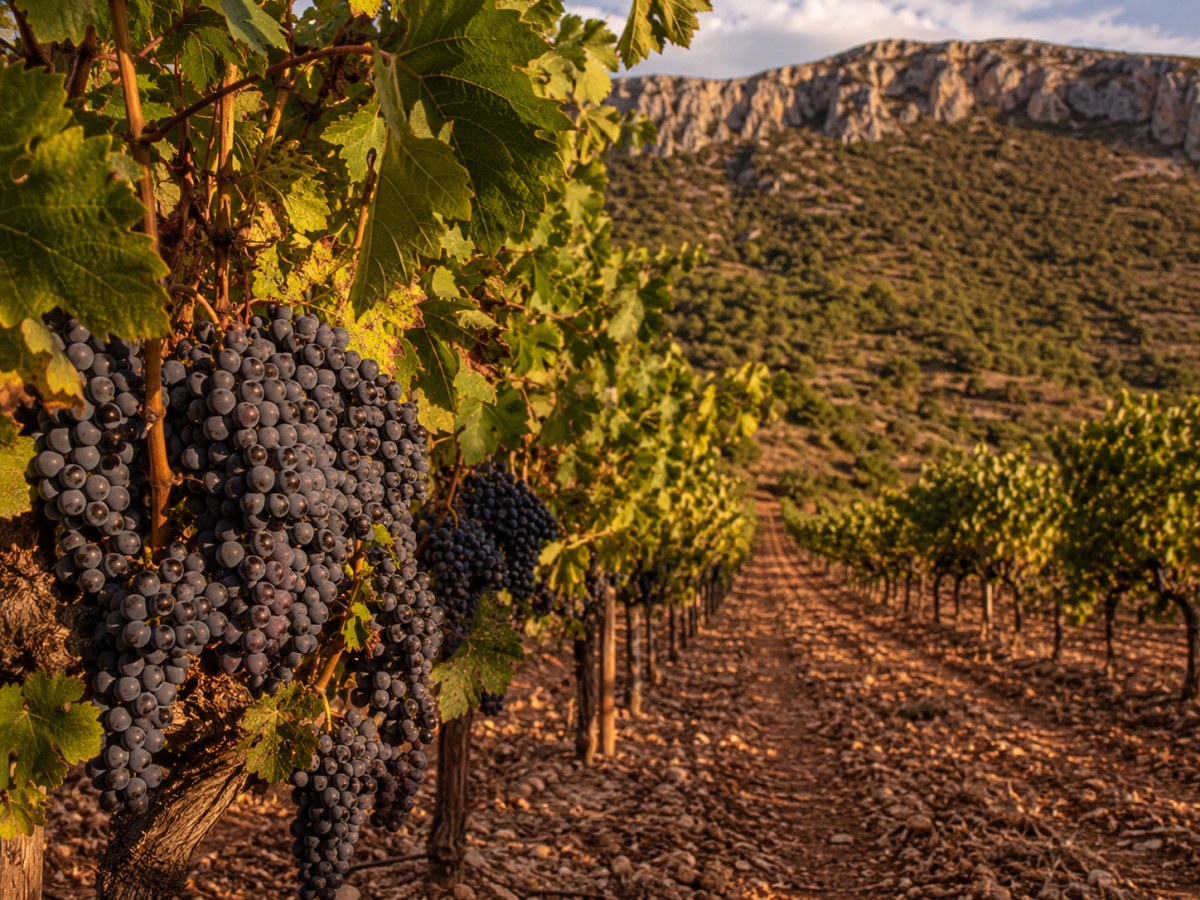
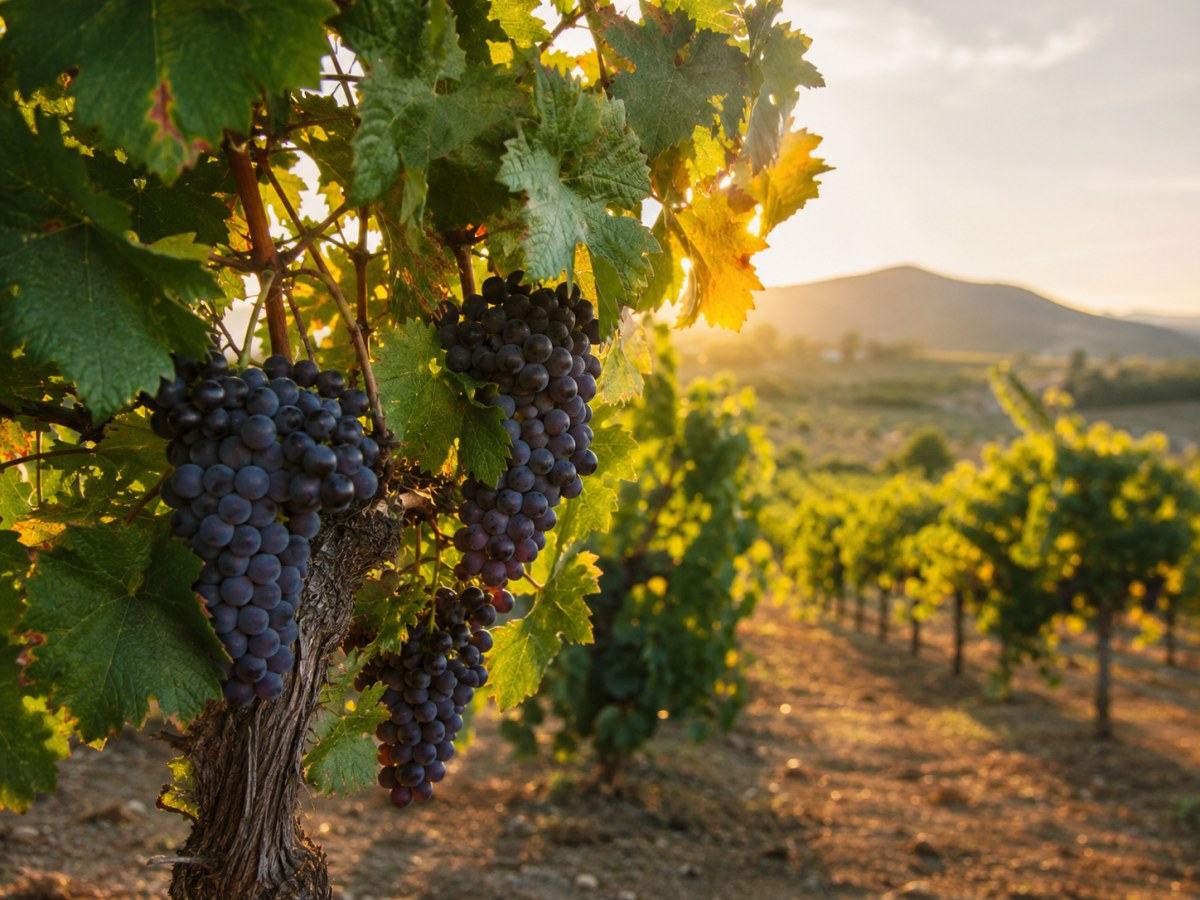
Wine is one of humanity's oldest and most enduring beverages. Long before the rise of the great civilisations of Greece and Rome, people were cultivating grapevines and producing wine. Archaeological evidence suggests that winemaking began more than 8,000 years ago, making wine not only an agricultural product, but also an important part of human history and culture.
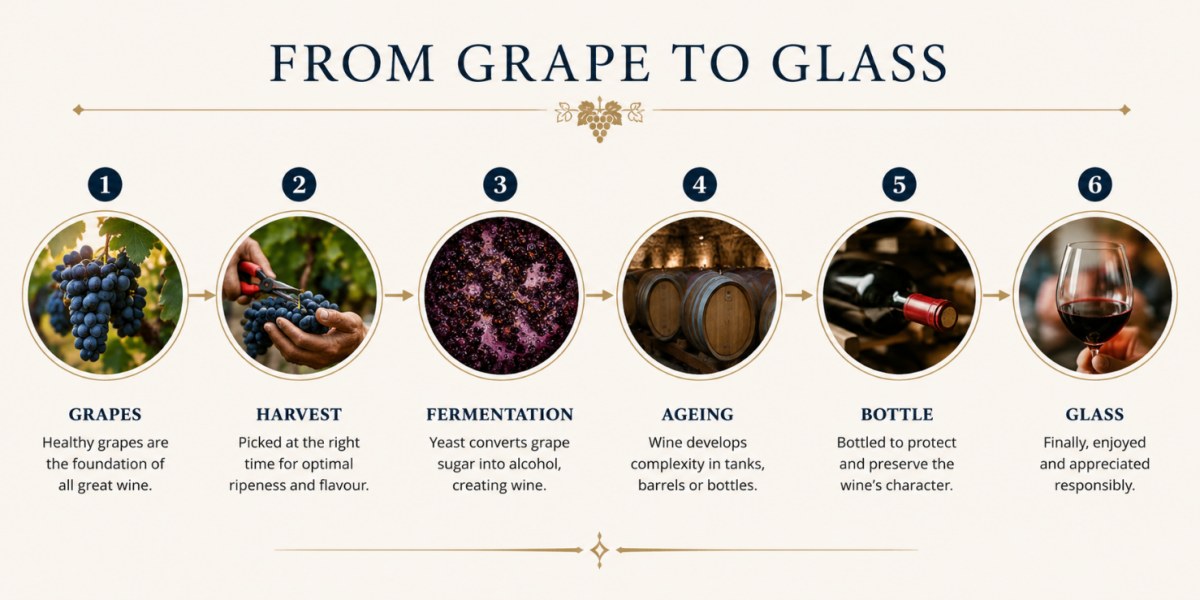
At its simplest, wine is made by fermenting grapes. During fermentation, yeast converts the natural sugars found in grapes into alcohol, producing the beverage we know as wine. While the process itself is relatively straightforward, the range of wines that can be produced is extraordinary.
A crisp Assyrtiko from Santorini, a powerful Xinomavro from Naoussa and a rich Shiraz from Australia are all produced using the same basic process, yet each displays completely different flavours, aromas and textures. Understanding why wines can be so different is one of the great pleasures of wine.
Why Grapes?
Many fruits can be fermented into alcohol, yet grapes have a unique combination of characteristics that make them ideally suited to winemaking. Unlike many other fruits, grapes naturally contain the key ingredients required to produce balanced wines: sugar, acidity, tannins and aromatic compounds.
This natural balance allows winemakers to produce an enormous variety of wine styles, from delicate sparkling wines and crisp whites to powerful reds capable of ageing for decades.
More Than Fermented Grape Juice
While wine begins with grapes, the finished product is shaped by grape variety, climate, vineyard location and winemaking. Different grape varieties create different flavours. Climate influences acidity, alcohol and ripeness. Vineyard location brings in altitude, sunlight, rainfall, wind and soil. Winemaking decisions influence texture, flavour and ageing.
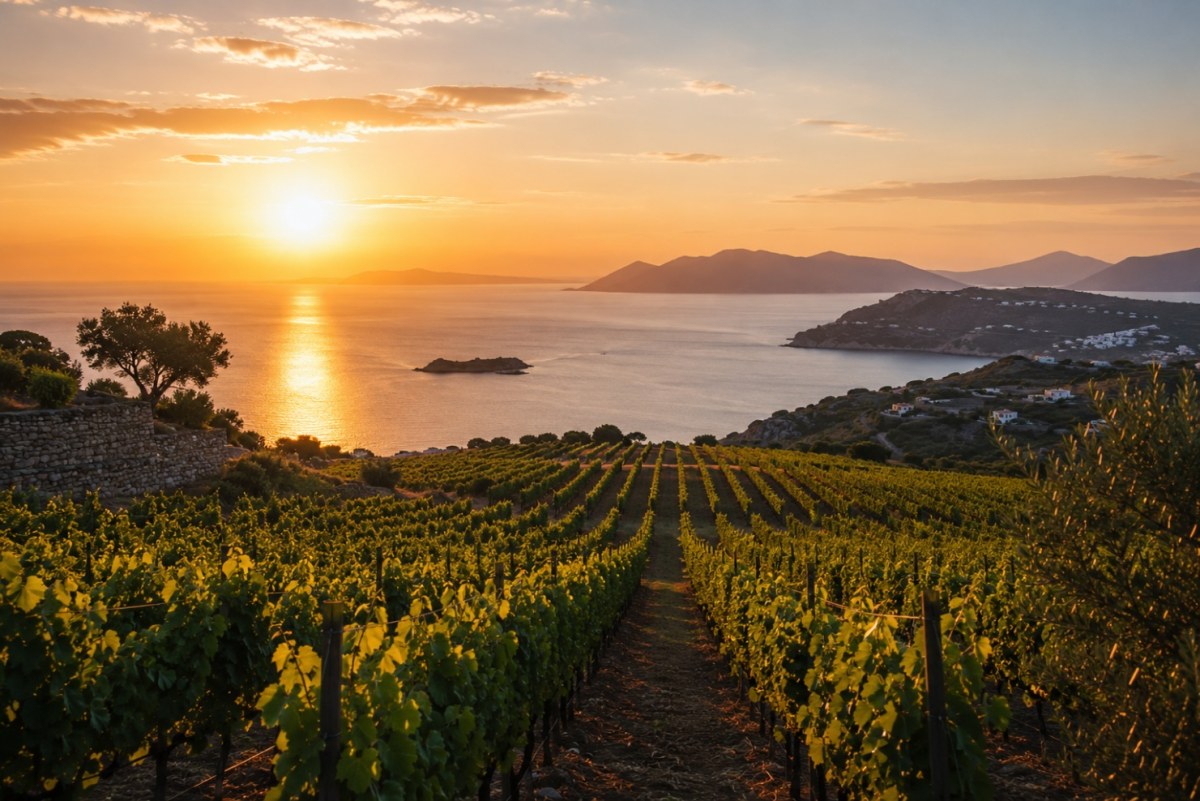
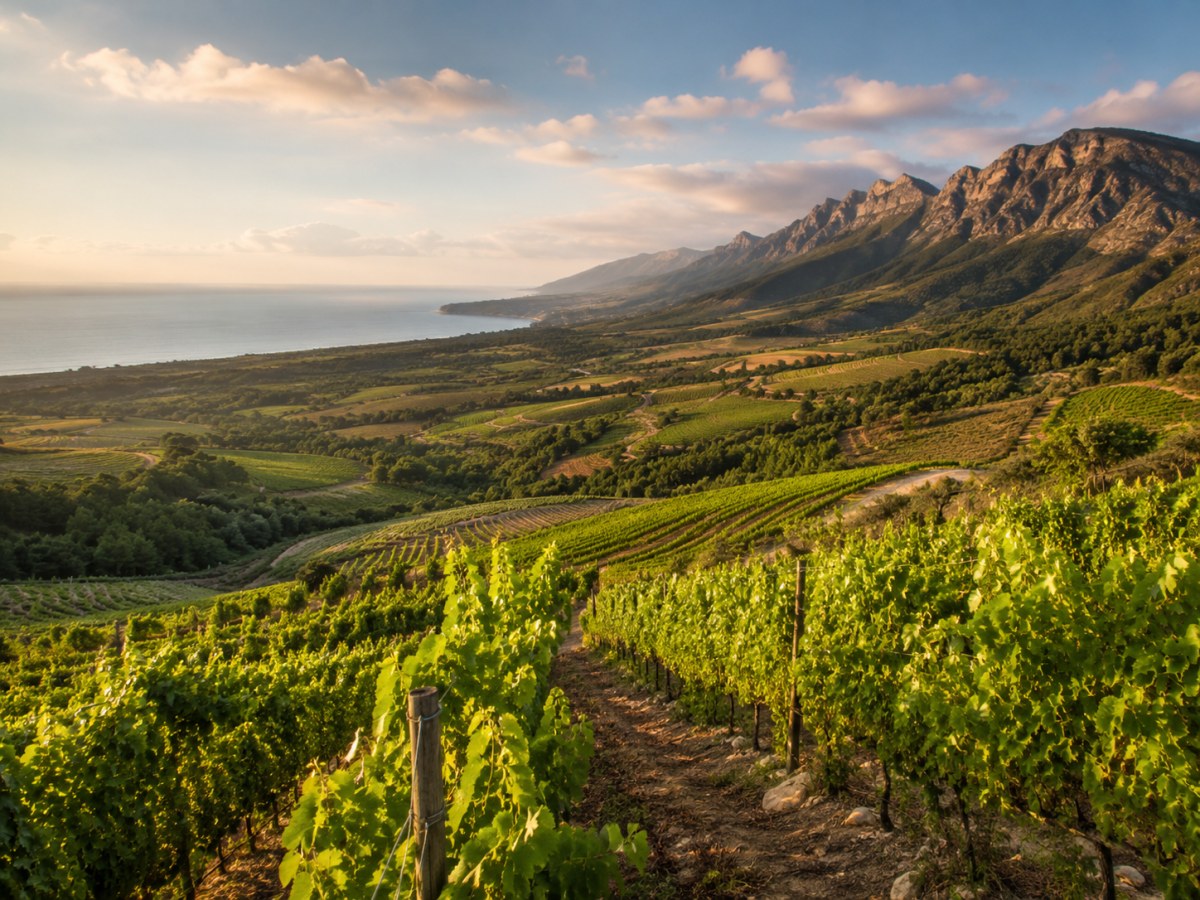
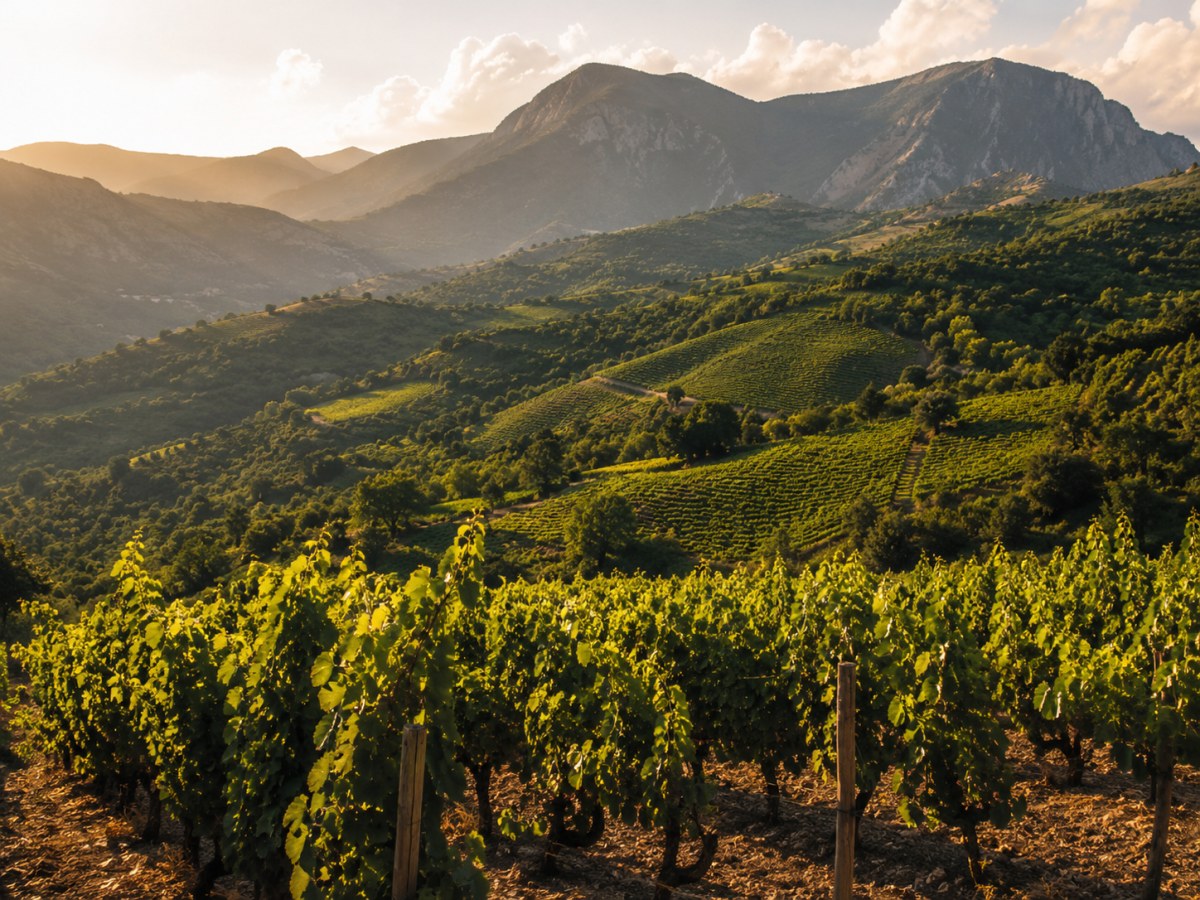
One of the reasons wine captivates so many people is its ability to reflect the place where it is produced. Climate, geography, local traditions and grape varieties combine to create wines that express the character of a particular region. This relationship between wine and place is particularly important in Greece, where many wine regions have been producing wine for thousands of years.
From Grape to Glass
A Brief History of Wine
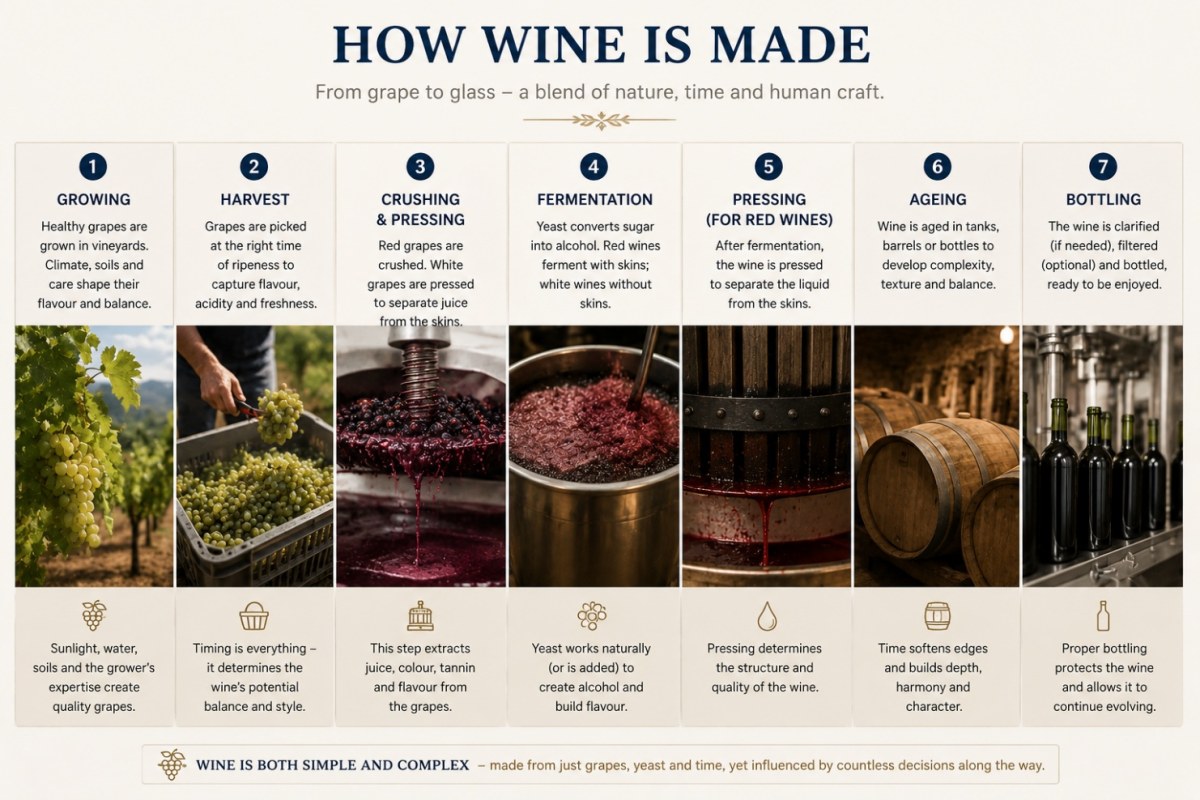
How Wine is Made
From vineyard to bottle
One of the remarkable things about wine is that such an extraordinary range of styles can be produced from a relatively simple process. Whether it is a crisp Sauvignon Blanc, a rich Chardonnay, a delicate rose or a powerful red wine, they all begin in the vineyard with the harvesting of grapes.
Harvesting the Grapes
Throughout the growing season, grapes accumulate sugar while gradually losing acidity. Harvest timing is one of the most important decisions a winemaker makes. Harvest too early and the wine may be overly acidic and lacking flavour. Harvest too late and the wine may become overly alcoholic and lose freshness.
Fermentation
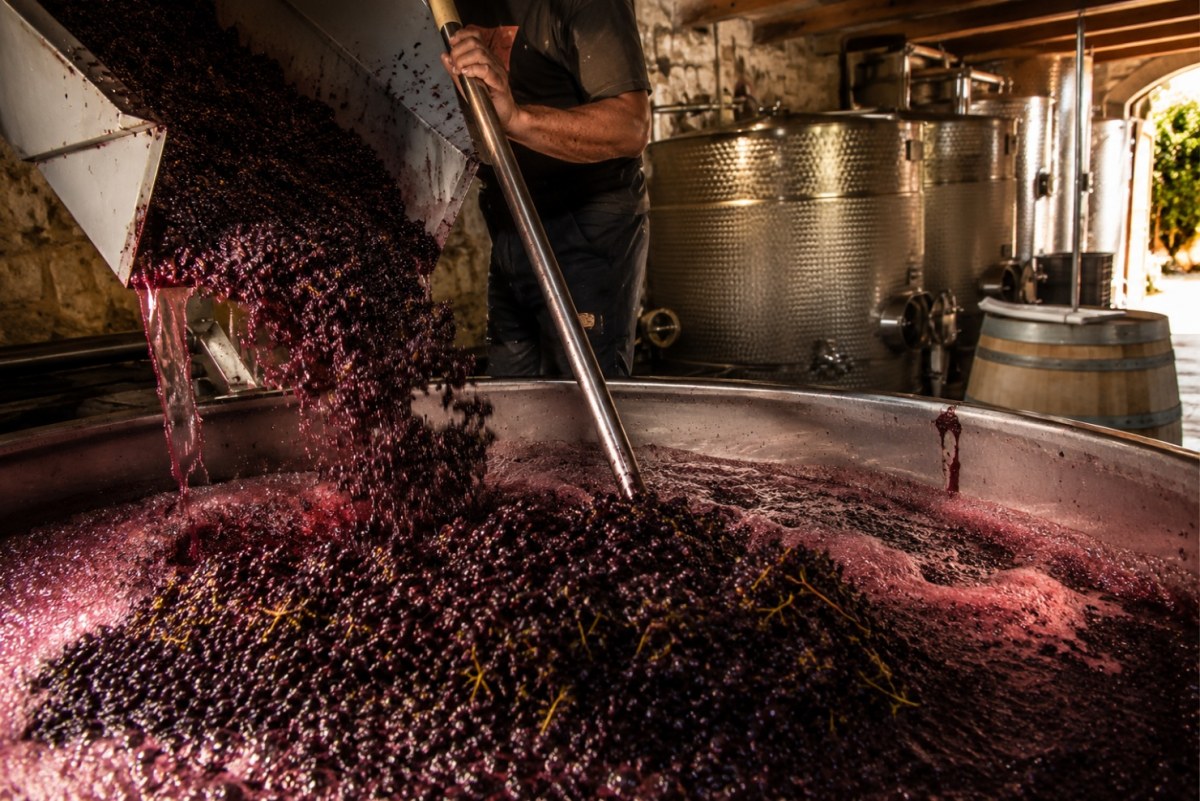
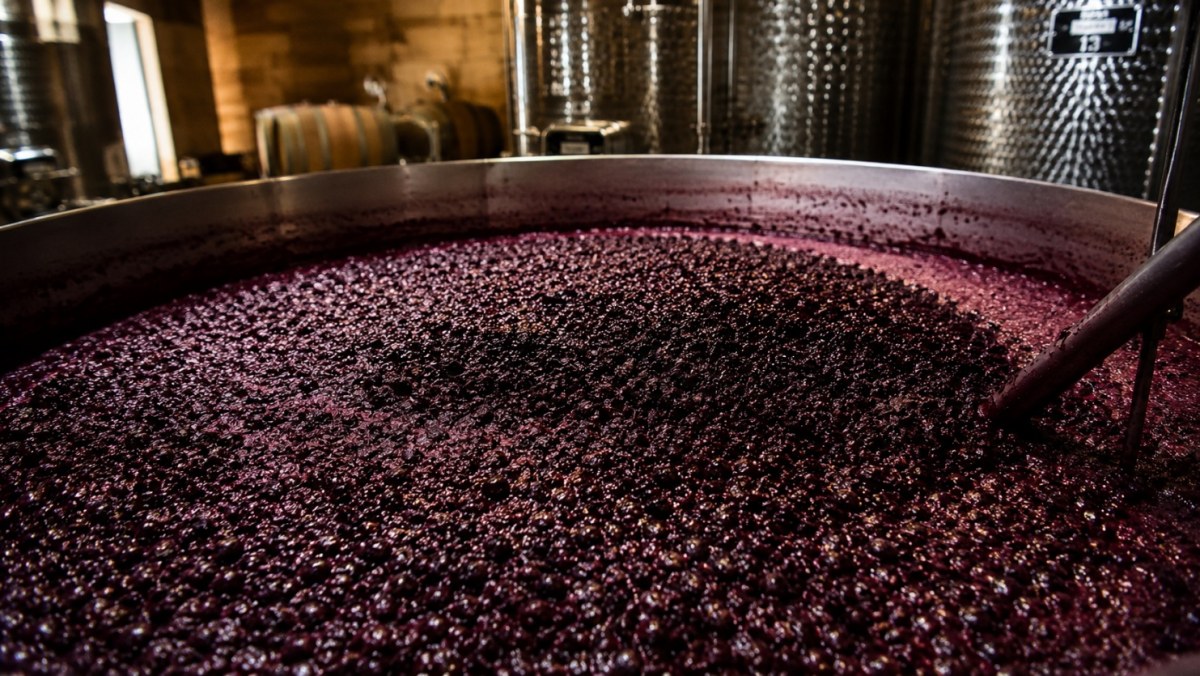
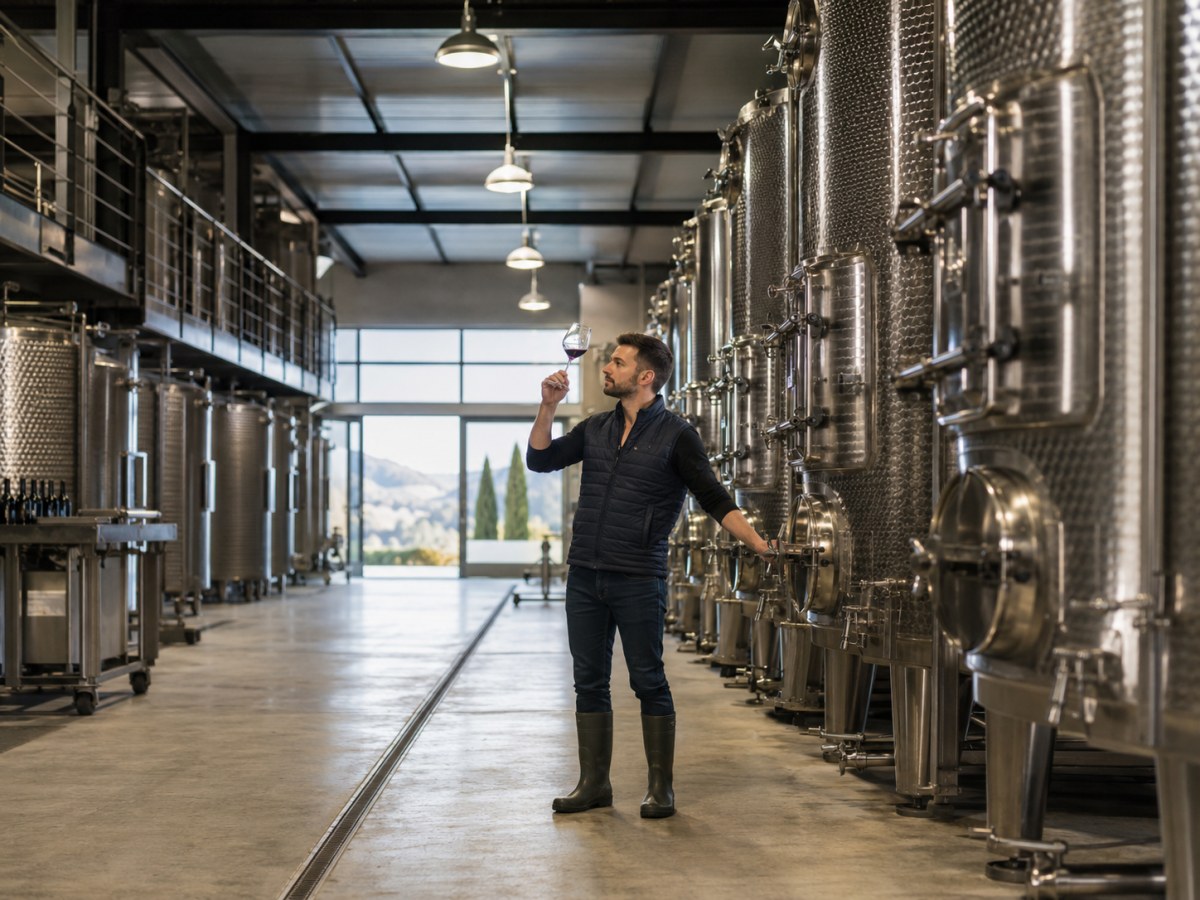
Once harvested, the grapes are crushed to release their juice. Yeast is then introduced, either naturally or by the winemaker. During fermentation, yeast consumes grape sugars and converts them into alcohol, carbon dioxide and heat. Fermentation is the moment when grape juice becomes wine.
White, Red and Rose
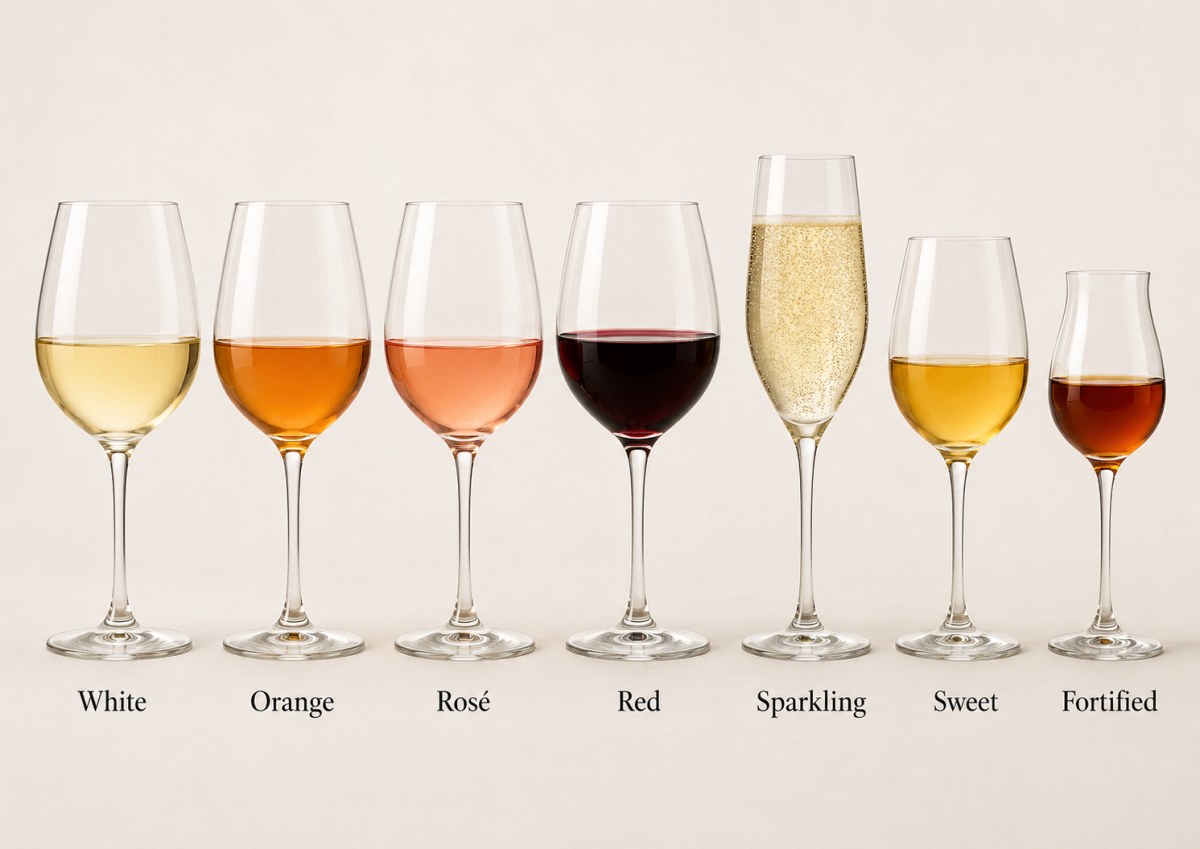
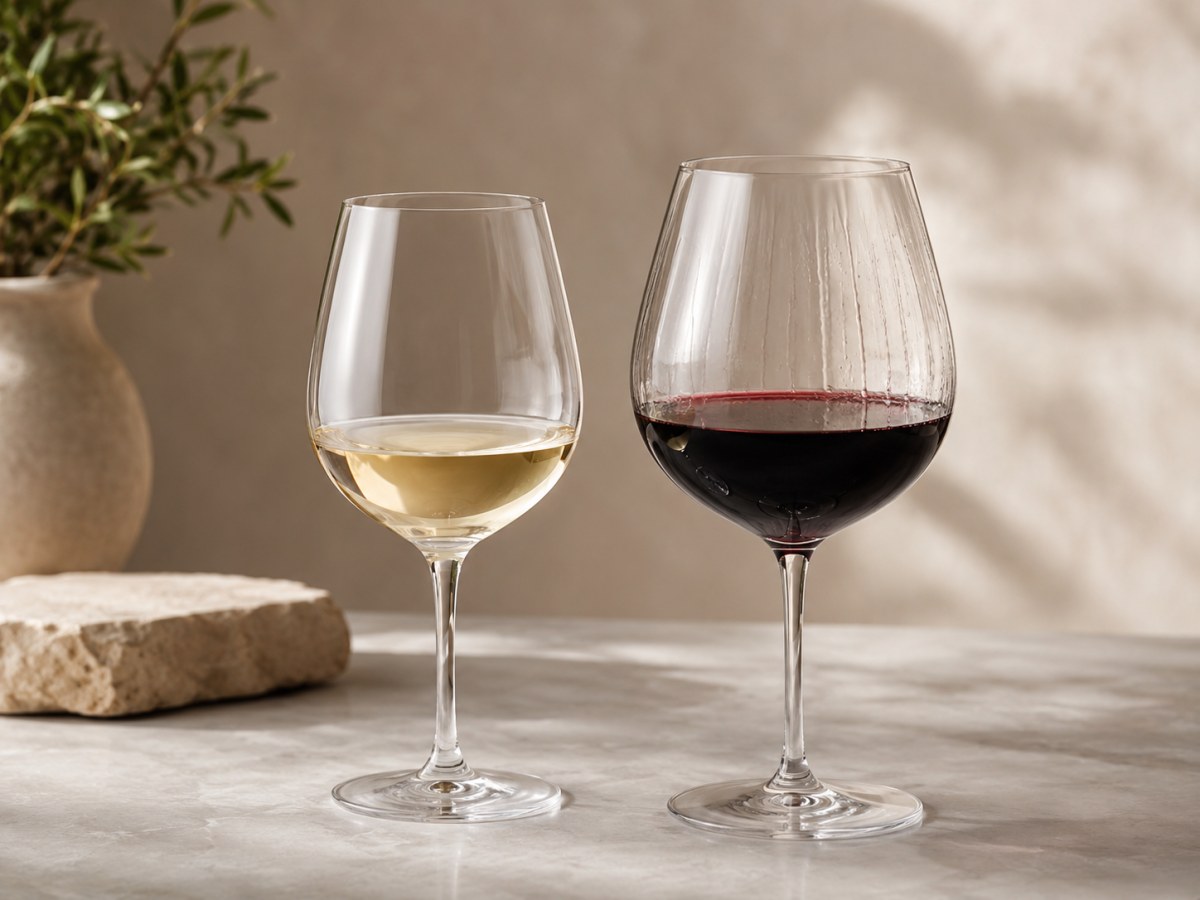
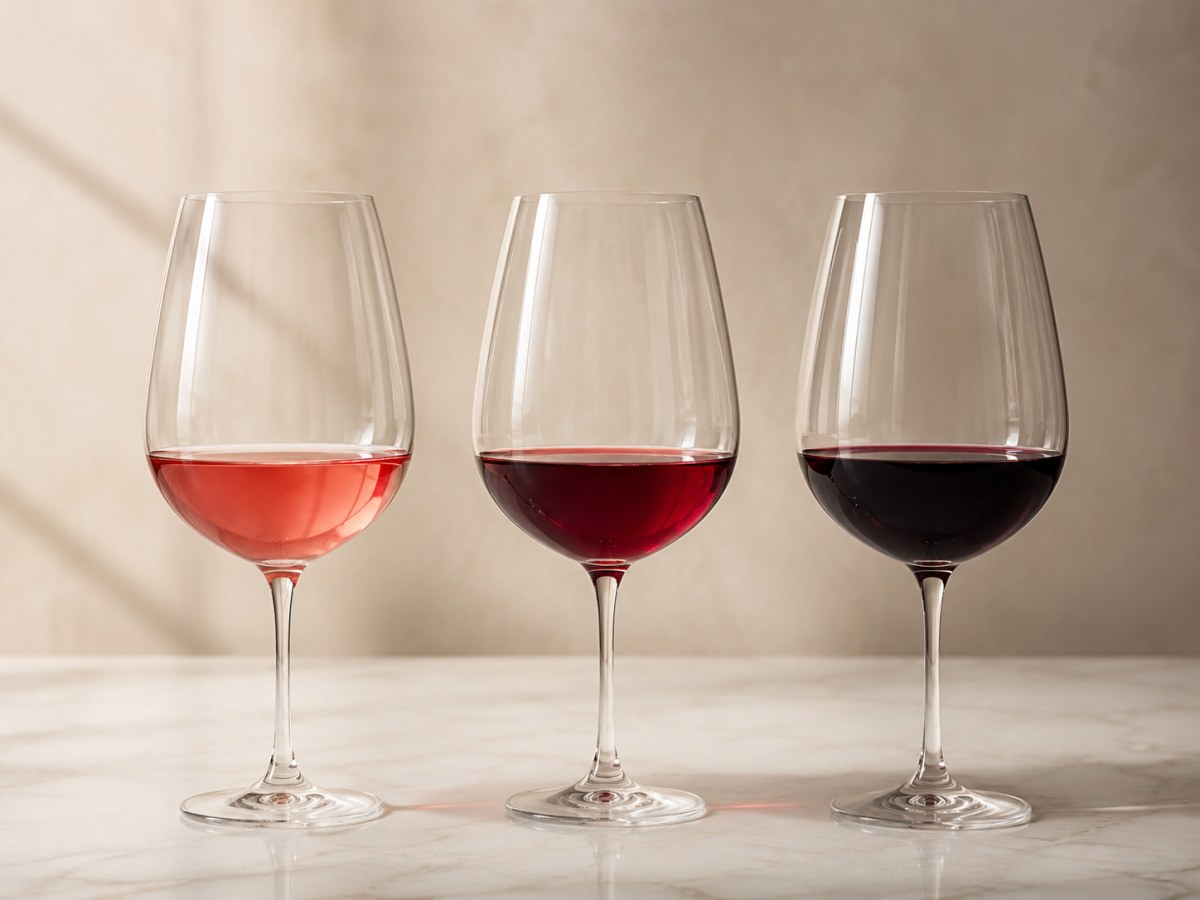
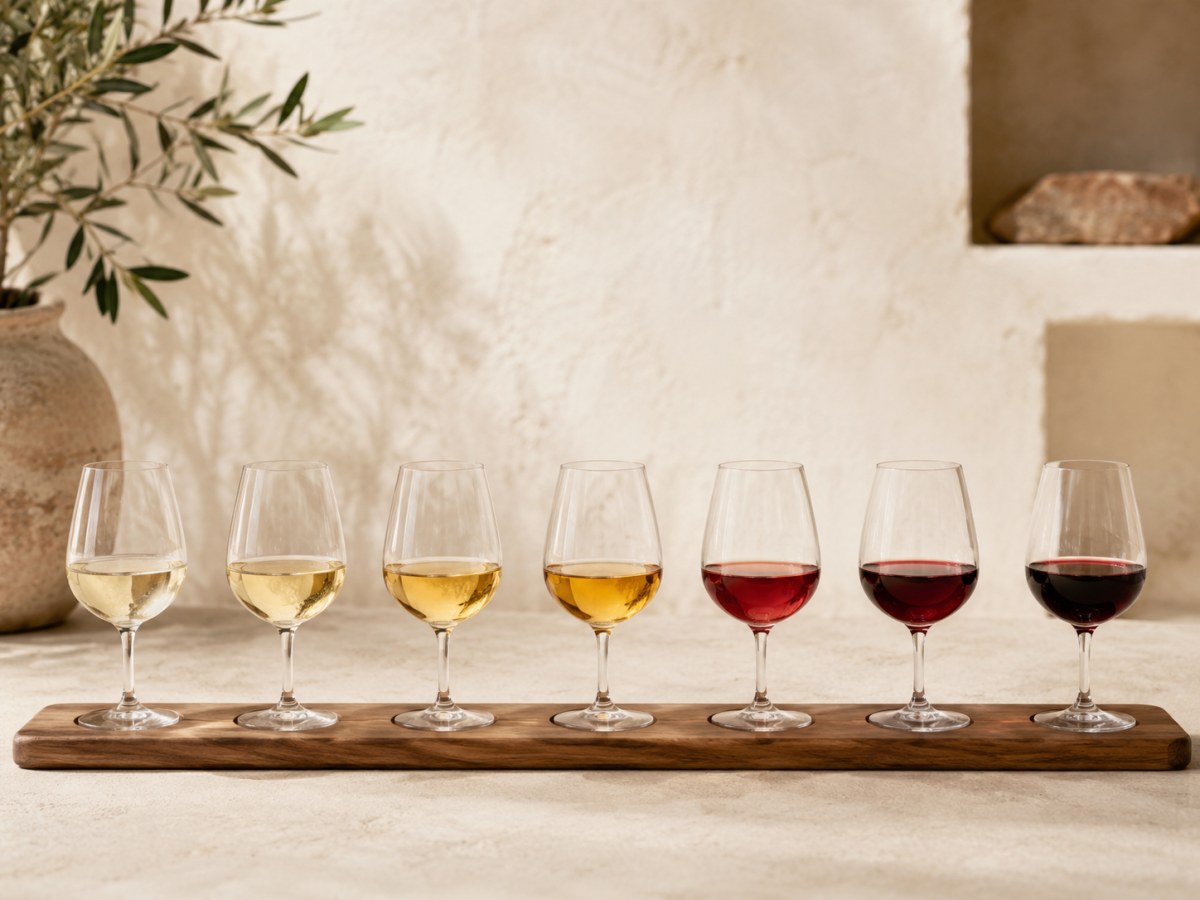
White wines are generally produced by separating grape juice from skins before fermentation. Red wines gain their colour, tannins and much of their flavour by fermenting juice together with skins. Rose wines are produced from red grapes, but with only brief skin contact.
Ageing and Special Styles
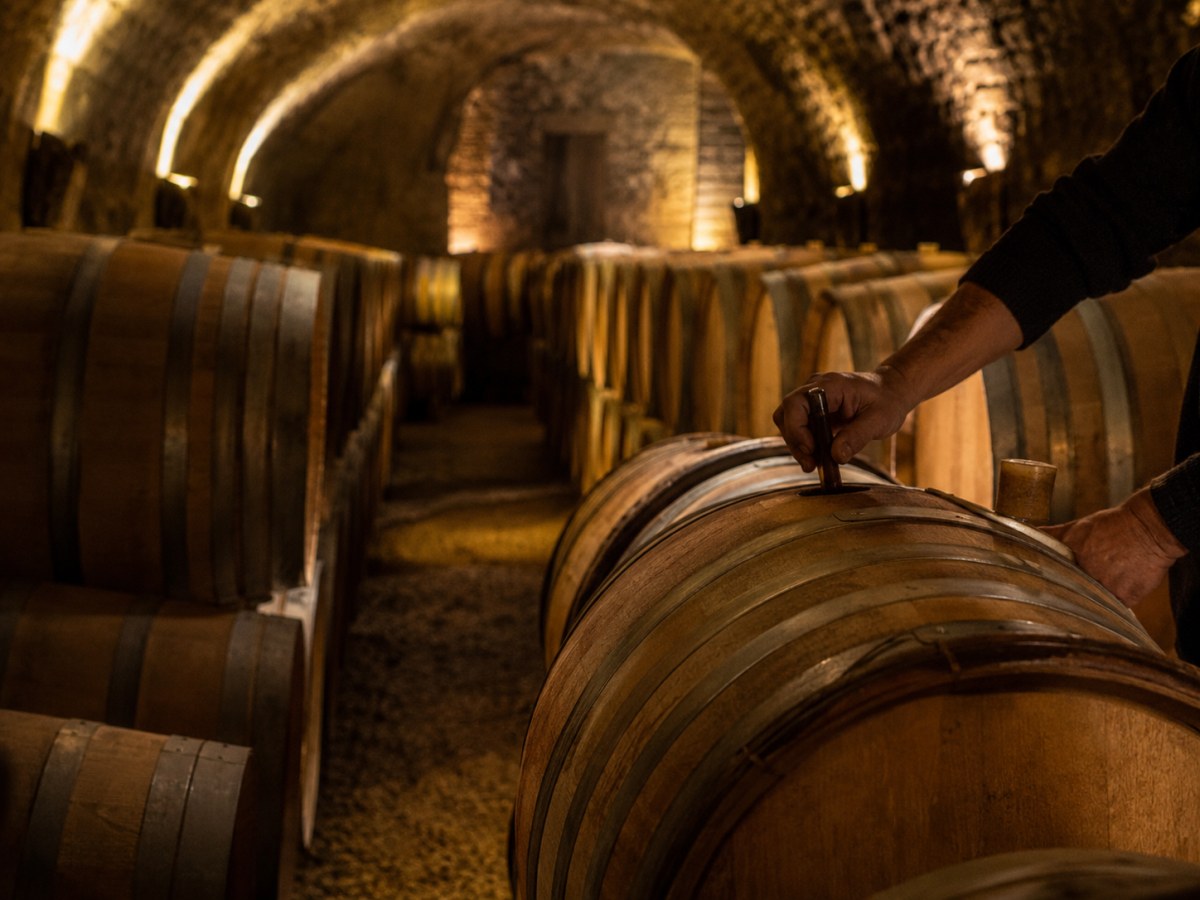
After fermentation, some wines are matured in oak barrels. Oak can soften tannins and add flavours such as vanilla, spice, toast and smoke. Some wines continue to develop after bottling, although most are made to be enjoyed within a few years.
Sparkling wines contain dissolved carbon dioxide, which creates bubbles. Fortified wines have additional alcohol added during production and include styles such as Port, Sherry and Madeira.
Although the process appears straightforward, countless decisions influence the final wine. The grape variety, climate, vineyard location and choices made by the winemaker all contribute to the wine that ultimately reaches the glass.
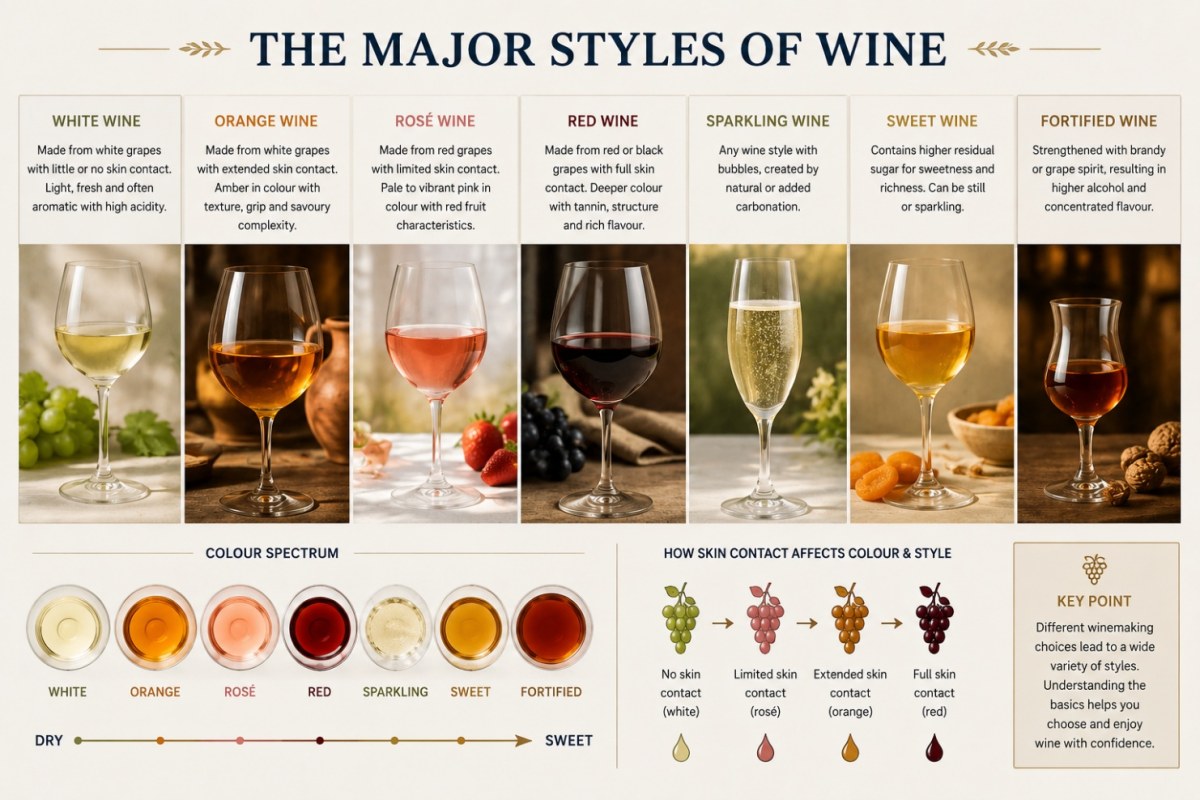
The Major Styles of Wine
White, red, rosé, sparkling and fortified
Walk into any wine shop and you will be presented with hundreds, if not thousands, of different bottles. At first glance the choices can seem overwhelming. Yet almost all wines can be grouped into a handful of major styles.
White Wine
White wines range from light and refreshing to rich and complex. Common characteristics include citrus, apple, pear, stone fruit, floral aromas and fresh acidity. Popular examples include Chardonnay, Sauvignon Blanc, Riesling and Pinot Grigio. Greek examples include Assyrtiko, Savatiano, Malagousia and Vidiano.
Orange Wine
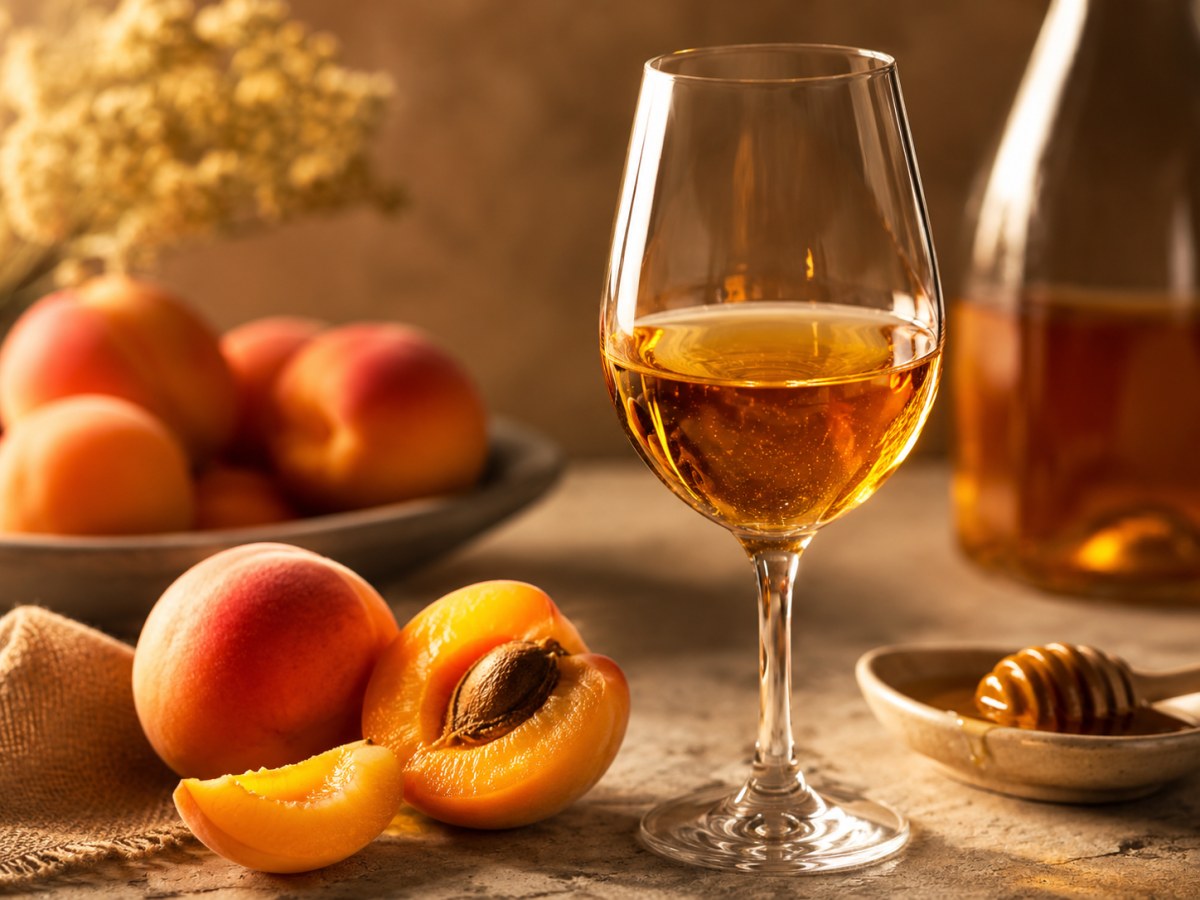
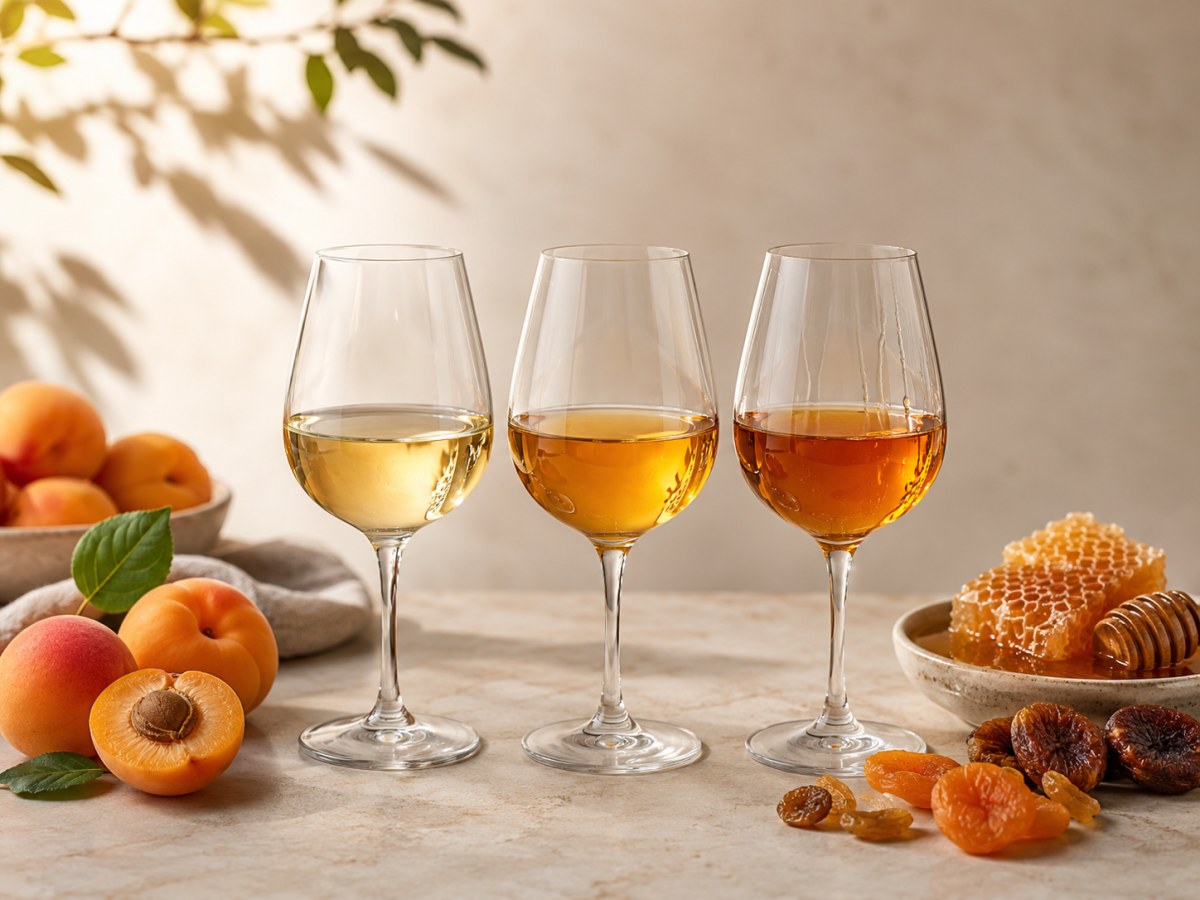
Orange wines are made from white grapes, but with extended contact between the juice and grape skins. This gives the wine a deeper amber or copper colour and can add texture, grip and savoury complexity. Common characteristics include dried citrus, apricot, tea, herbs, honey, nuts and gentle tannins. Orange wines can feel more structured than white wines while still retaining freshness.
Rose Wine
Rose wines sit between white and red wines. They are usually fresh and fruit-driven, with flavours of strawberry, raspberry, watermelon and floral notes. Their versatility makes them natural companions to Mediterranean cuisine.
Red Wine
Red wines are produced from dark-skinned grape varieties and obtain their colour from grape skins during fermentation. Common characteristics include cherry, plum, blackberry, spice and herbal notes. Red wines also contain tannins, which contribute structure and texture.
Sparkling, Sweet and Fortified Wine
Sparkling wines contain bubbles and range from bone dry to sweet. Sweet wines retain residual sugar and can display honey, apricot, marmalade and dried fruit flavours. Fortified wines have additional alcohol added and include Port, Sherry and Madeira.
Dry vs Sweet
One common misconception is confusing fruit flavour with sweetness. A wine can taste of peach, mango or blackberry and still be completely dry. Sweetness refers specifically to residual sugar remaining after fermentation.
Understanding Acidity
The freshness that brings wine to life
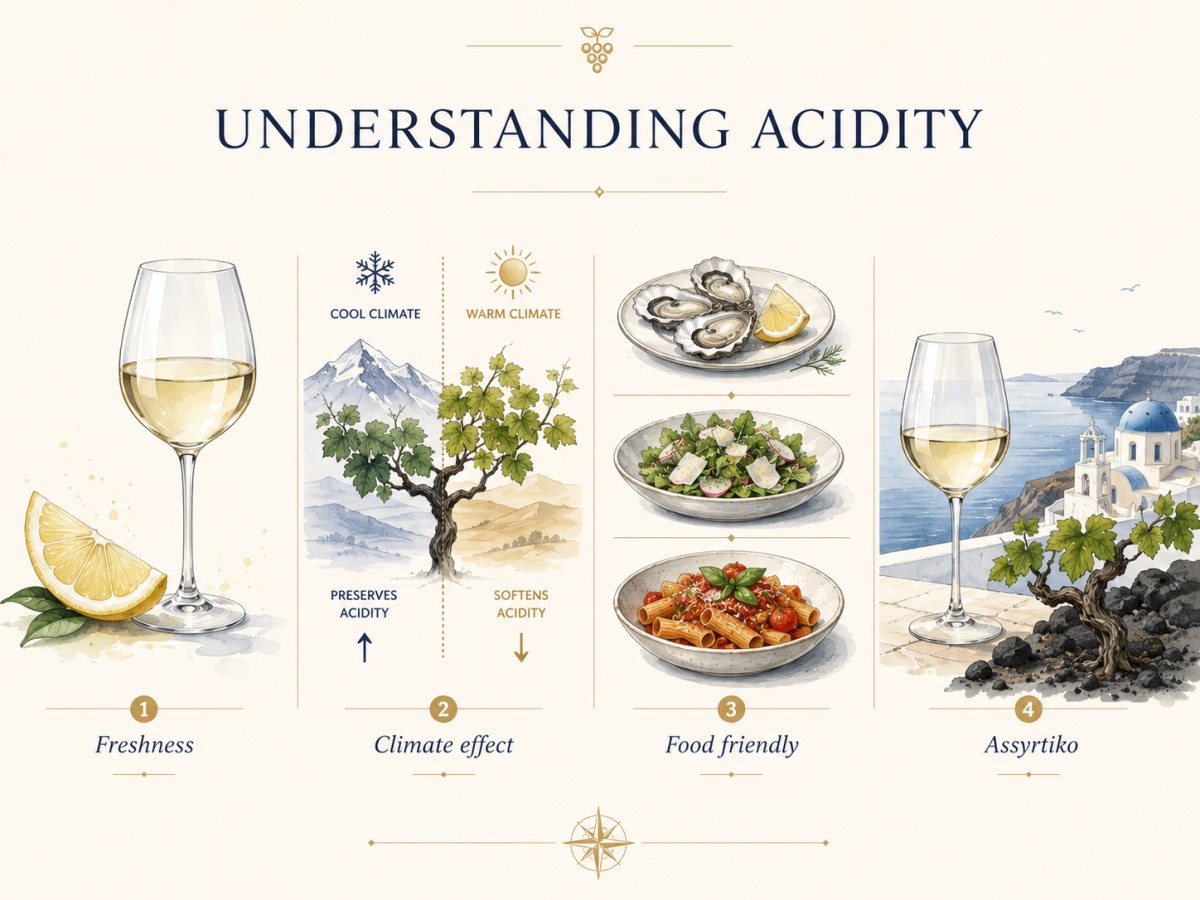
Acidity is one of the most important components of wine and often determines whether a wine feels fresh and vibrant or flat and lifeless. The easiest way to understand acidity is to think about biting into a lemon. The mouth-watering sensation that follows is acidity in action.
Acidity provides freshness, balance and structure. It helps wines feel lively on the palate and allows many wines to pair successfully with food.
High-acid wines often appear crisp, refreshing and energetic. Examples include Riesling, Sauvignon Blanc and Assyrtiko. Lower-acid wines often feel softer, rounder and richer.
Climate has a significant influence on acidity. Cooler climates tend to preserve acidity, while warmer climates reduce acidity as grapes ripen. This is one reason climate plays such an important role in wine style.
Acidity is often the secret to successful food and wine pairing. Wines with good acidity can refresh the palate, cut through rich foods and complement seafood, salads and tomato-based dishes. Assyrtiko from Santorini is one of Greece's clearest examples of high acidity, retaining remarkable freshness despite the island's warm Mediterranean climate.
Understanding Tannins
The structure behind every red wine
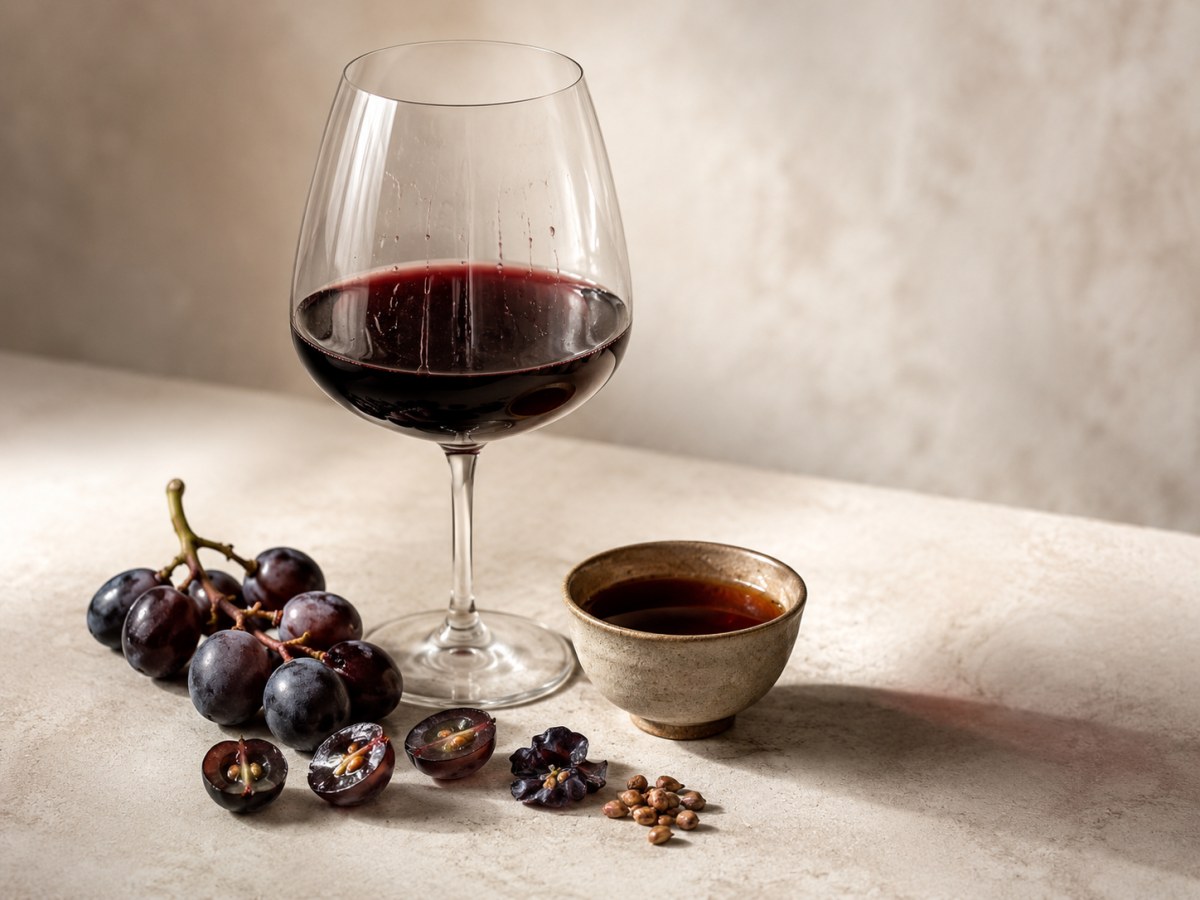
If acidity creates freshness, tannins create structure. Tannins are naturally occurring compounds found in grape skins, seeds and stems. They are most noticeable in red wines because red wines are fermented with their skins.
Tannins are not a flavour. They are a sensation. A useful comparison is strong black tea. After taking a sip, your mouth may feel slightly dry. That drying sensation is caused by tannins.
Tannins give red wines shape, texture and ageing potential. Lower-tannin wines such as Pinot Noir often feel softer and more approachable. Higher-tannin wines such as Cabernet Sauvignon, Nebbiolo and Xinomavro feel firmer and more structured.
Tannins work particularly well with protein-rich foods. This is why steak, lamb and game often pair beautifully with structured red wines. The protein softens the tannins, creating a more harmonious experience.
Xinomavro, one of Greece's most important red grape varieties, is known for significant tannin structure and is often compared with Nebbiolo, the grape behind Italy's Barolo wines.
Understanding Sweetness
Sugar, fruit and the difference between them
One of the most common misunderstandings in wine is the difference between sweetness and fruitiness. A wine can display flavours of peach, mango or ripe berries while remaining completely dry.
Sweetness refers to the amount of residual sugar remaining in a wine after fermentation. If most of the sugar is converted into alcohol, the wine becomes dry. If some sugar remains, the wine becomes sweeter.
Most wines consumed around the world are dry, including many Sauvignon Blanc, Chardonnay, Cabernet Sauvignon and Assyrtiko wines. Some wines contain a small amount of residual sugar and are described as off-dry. Sweet wines retain a significant amount of sugar and may show honey, apricot, marmalade and dried fruit flavours.
Sweetness can be powerful in food pairing. Sweet wines work with desserts and blue cheese, while off-dry wines can be excellent with spicy food. When tasting wine, learning to separate fruit flavour from sweetness is one of the most useful skills a wine drinker can develop.
Understanding Body
The weight and texture of wine
When people describe a wine as light, rich, elegant or powerful, they are often referring to its body. Body is the weight and texture of a wine in the mouth. It is similar to the difference between skim milk, full cream milk and cream.
Several factors contribute to a wine's body, including alcohol level, sugar level, grape variety and winemaking techniques. Wines with higher alcohol often feel fuller and richer, while wines with lower alcohol feel lighter and more delicate.
Light-bodied wines such as Pinot Grigio and some Rieslings feel refreshing and easy to drink. Medium-bodied wines such as Merlot, Sangiovese and many Assyrtiko examples sit in the middle. Full-bodied wines such as Shiraz, Cabernet Sauvignon and oaked Chardonnay feel richer and more powerful.
Matching body is one of the simplest ways to improve food and wine pairing. Light dishes often suit lighter wines, while rich dishes generally suit fuller wines. Greek wines cover the full spectrum: Assyrtiko is often medium-bodied despite its freshness, Xinomavro can be medium to full-bodied, and Agiorgitiko ranges from elegant to powerful.
Understanding Alcohol
Ripeness, warmth and intensity
Alcohol is one of the most important components of wine, influencing flavour, body and balance. While it is often viewed simply as the intoxicating element of wine, alcohol plays a larger role in shaping how a wine tastes and feels.
During fermentation, yeast converts grape sugar into alcohol. The more sugar present in the grapes at harvest, the more alcohol can potentially be produced. This is why warmer regions often produce wines with higher alcohol levels: grapes ripen more fully and accumulate more sugar.
Most table wines fall between 11% and 15% alcohol. Lower-alcohol wines tend to feel lighter and more refreshing. Higher-alcohol wines often feel fuller, richer and warmer on the palate.
A wine should not taste alcoholic. The best wines achieve balance between fruit, acidity, tannin and alcohol. When these elements are in harmony, the wine feels complete.
Santorini Assyrtiko often combines relatively high alcohol with remarkable acidity. Many Xinomavro wines achieve balance through naturally high acidity and tannin structure.
Understanding Oak
Barrels, spice and texture
Few topics generate more discussion among wine lovers than oak. Some people love the richness and complexity oak can bring to a wine. Others prefer fresher styles that showcase fruit without oak influence.
After fermentation, some wines are matured in oak barrels. This ageing process can last from a few months to several years depending on the wine style and the winemaker's objectives.
Oak influences wine in three important ways. It can contribute flavours such as vanilla, toast, baking spices, smoke, coffee and chocolate. It can also soften tannins by allowing small amounts of oxygen to interact with the wine. Finally, it can add complexity by introducing additional layers of aroma and flavour.
New barrels generally contribute stronger flavours. Older barrels contribute less flavour and are often used when winemakers want a more subtle effect. Not all wines benefit from oak. Many fresh white wines are intentionally produced without oak to preserve fruit character and acidity.
Many premium Greek producers use oak selectively. The objective is usually to support the grape variety rather than dominate it.
Climate and Wine
Why place shapes every glass
If grape variety is the foundation of wine, climate is one of the most powerful influences on how that grape expresses itself. A Chardonnay grown in a cool climate can taste completely different from one grown in a warm climate.
Throughout the growing season, grapes gradually ripen on the vine. As they ripen, sugar levels increase, acidity decreases, flavours develop and tannins mature. The speed at which this occurs is largely determined by climate.
Cool climate regions generally produce wines with higher acidity, lower alcohol, fresher citrus flavours and greater delicacy. Warm climate regions tend to produce riper fruit flavours, fuller body, higher alcohol and softer acidity.
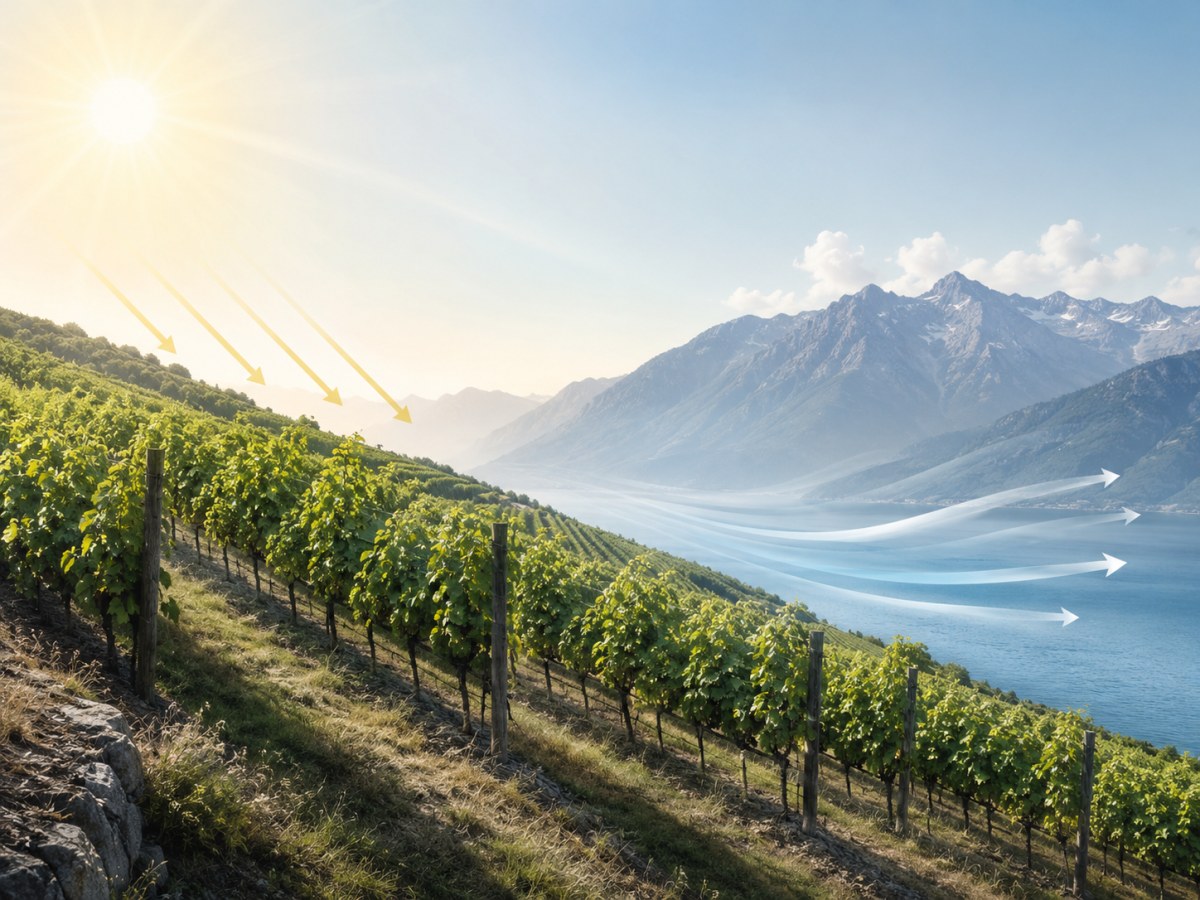
Climate is more than temperature alone. Sunlight helps grapes ripen. Rainfall provides water but can also dilute flavours if excessive. Wind can cool vineyards and reduce humidity. Altitude can preserve acidity and extend the growing season even in warm regions.
Greece benefits from a remarkable range of climates, combining mountainous terrain, coastal influences, island environments and Mediterranean sunshine. This diversity allows Greece to produce an extraordinary range of wine styles, from structured Xinomavro in Naoussa to vivid Assyrtiko on Santorini.
How to Taste Wine
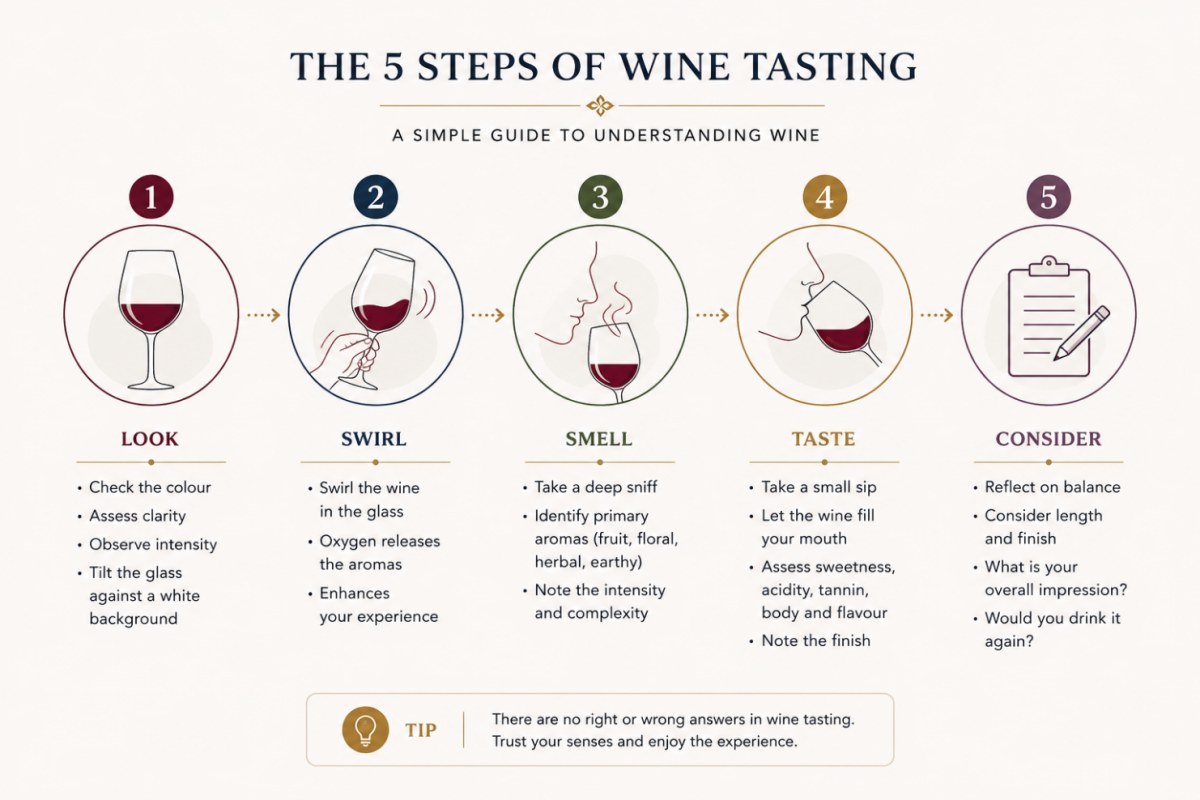
Look, swirl, smell, taste
Wine tasting is often portrayed as mysterious or intimidating, but the reality is much simpler. Professional tasters and casual wine drinkers use the same basic process. The difference is practice and experience.
The goal of tasting is not to identify every aroma or impress others with technical language. It is to understand what is in the glass and develop your own appreciation of wine.
Look
Begin by observing the colour, intensity and clarity. A pale white wine may suggest a different style from a deep golden wine. A light red often differs significantly from a deep purple one.
Smell
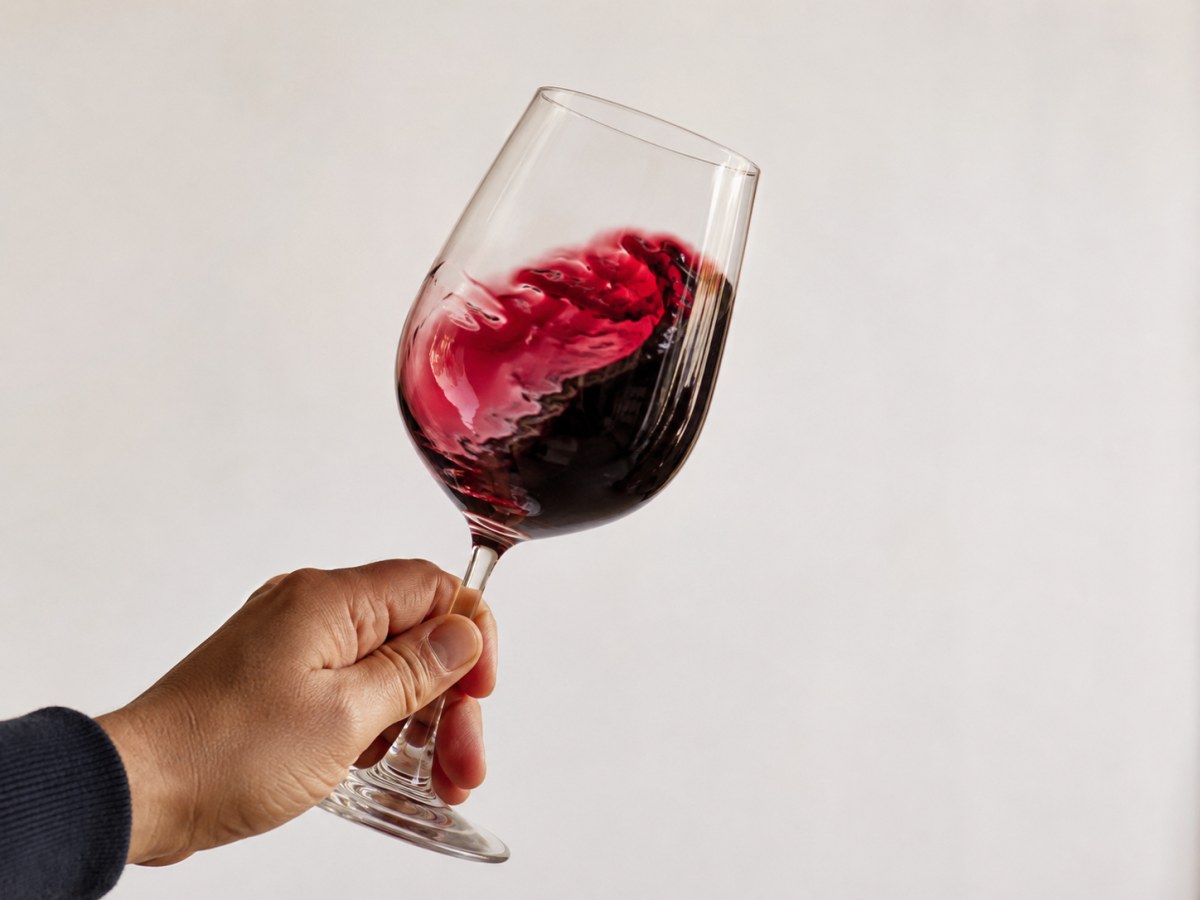
The nose often reveals more than the palate. Gently swirl the wine to release aromas, then take a slow smell. Common aroma categories include fruit, floral notes, herbal notes and oak-derived aromas.
Taste
Take a small sip and allow the wine to move around your mouth. Consider sweetness, acidity, tannin, body, alcohol and finish. There is no perfect answer. Confidence develops through practice.
One of the best ways to learn is by tasting wines side by side. Comparing Chardonnay and Sauvignon Blanc, or Assyrtiko and Riesling, quickly highlights differences and improves understanding.
The Five Steps of Tasting
Food and Wine Pairing
Making the most of every meal
One of the greatest pleasures of wine is enjoying it with food. While pairing can become highly technical, a few simple principles can dramatically improve the experience.
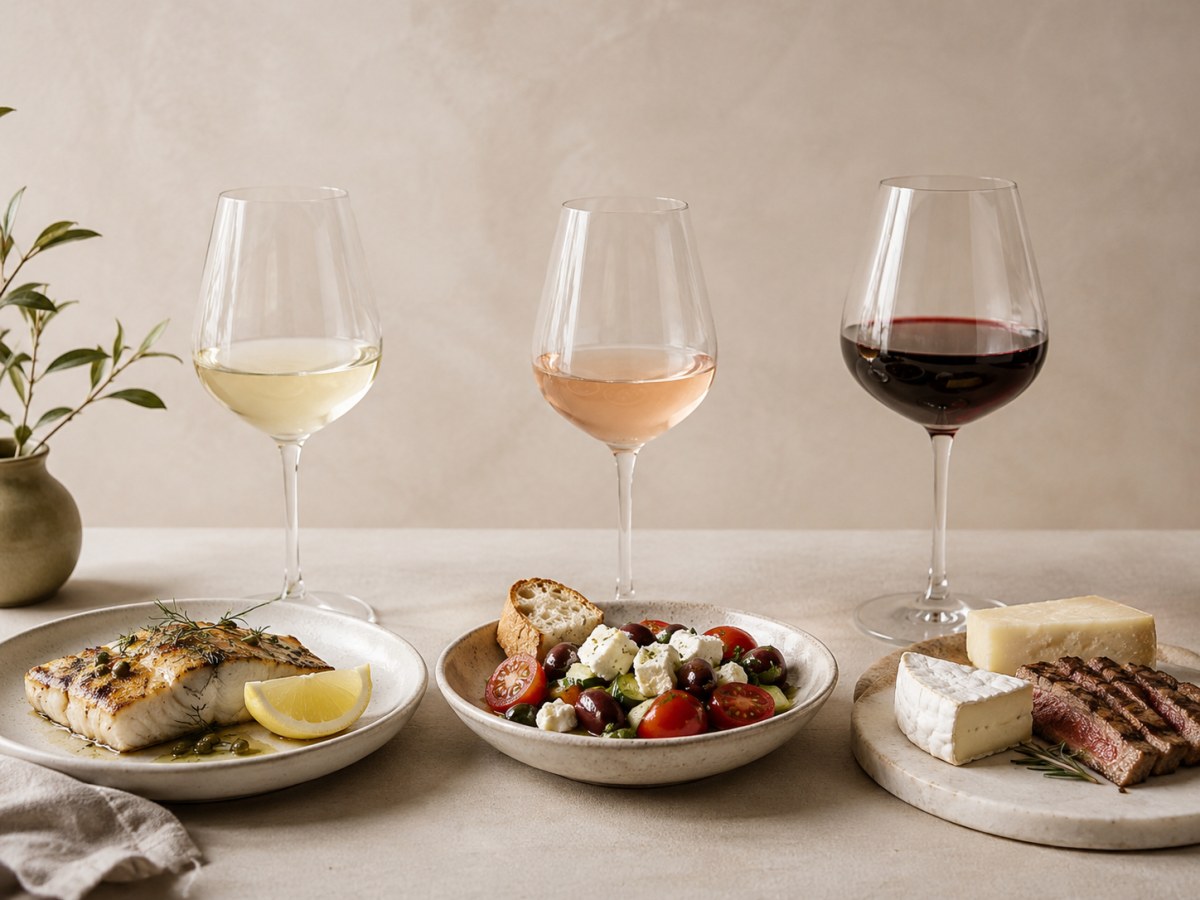
The first rule is to match intensity. Light dishes such as fresh seafood, salads and grilled vegetables generally pair well with lighter wines. Rich dishes such as lamb, beef and slow-cooked meats usually suit fuller, more structured wines.
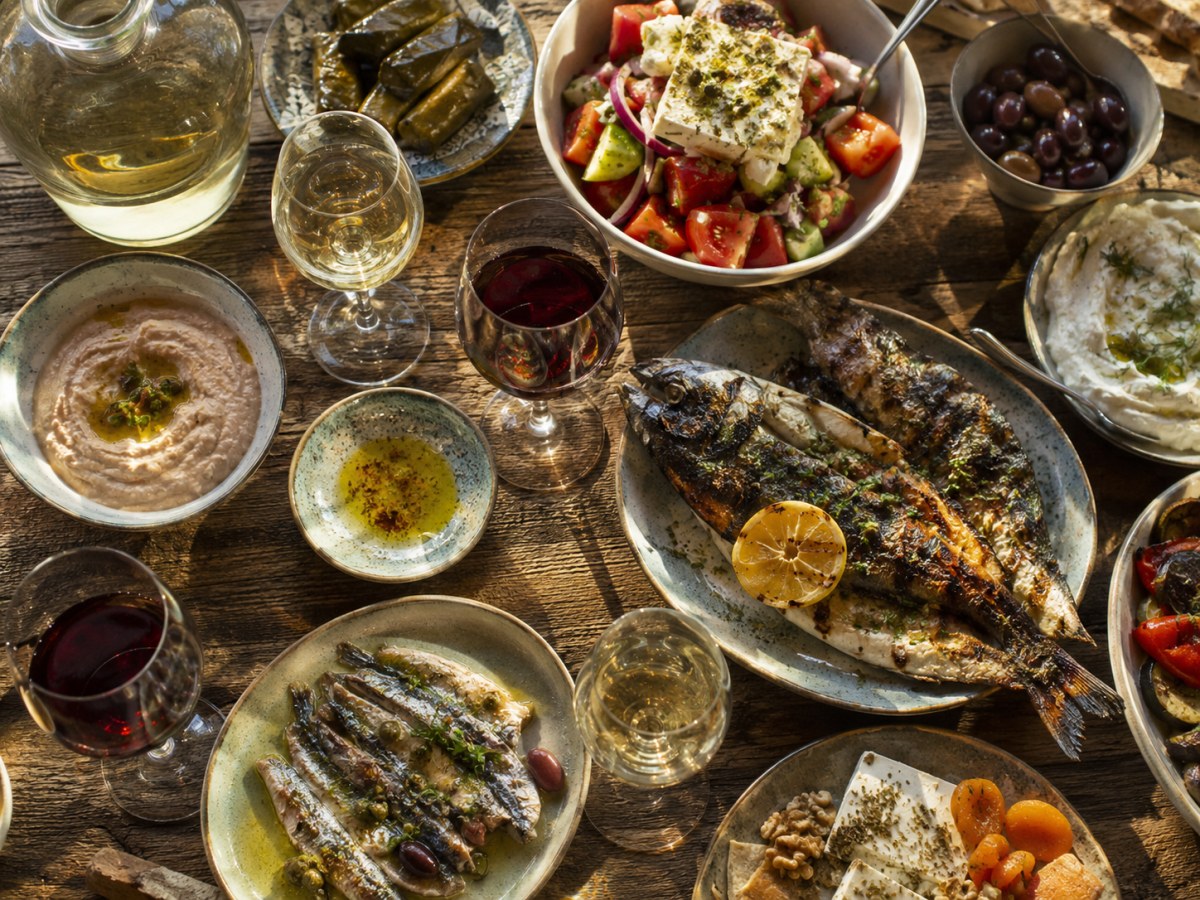
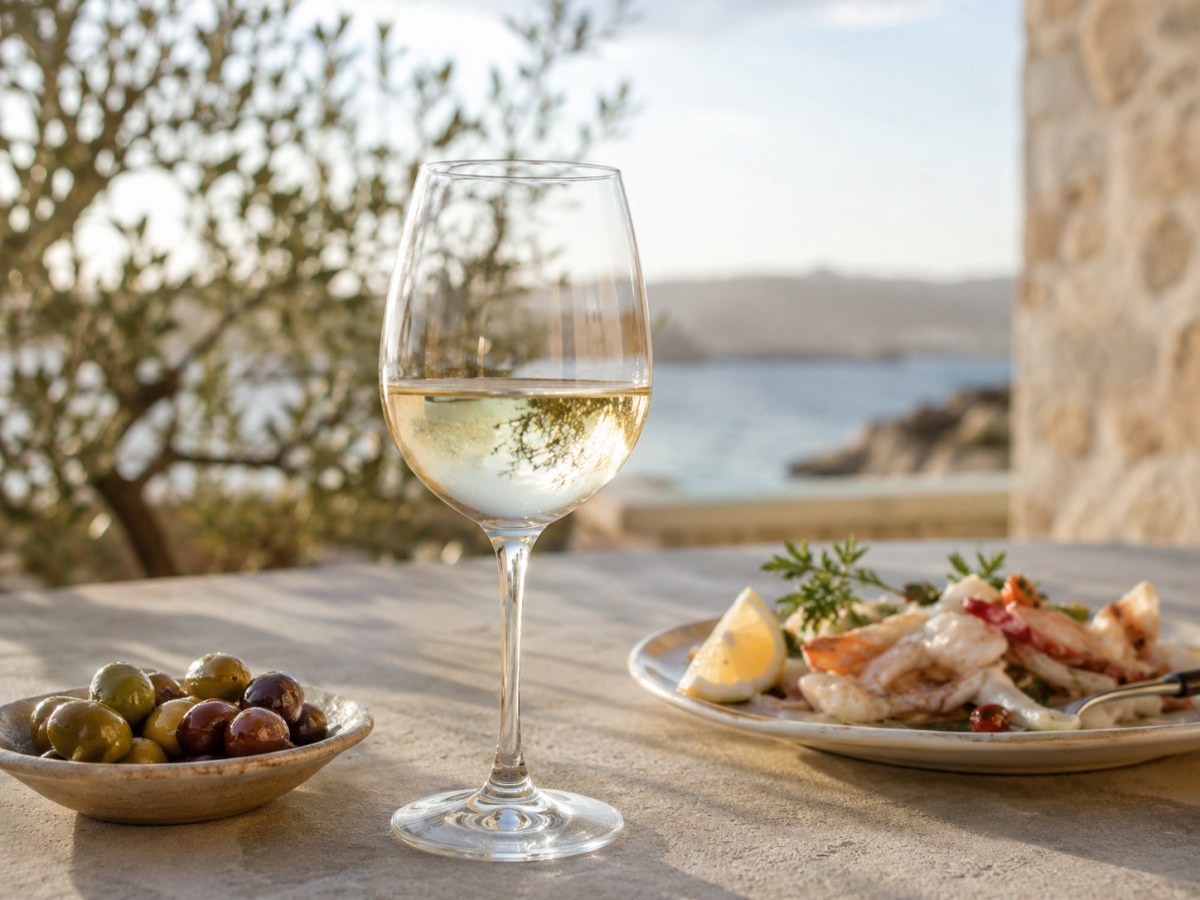
High-acid wines are among the most versatile at the table. They pair beautifully with seafood, tomato-based dishes and olive oil-based cuisine. This is one reason Greek white wines often work so naturally with Mediterranean food.
Tannins are softened by protein, which explains why structured reds pair well with steak, lamb and game. A touch of sweetness can also help balance spicy dishes.
One of the oldest principles of food and wine pairing is: if it grows together, it goes together. Local wines often evolved alongside local cuisine. Assyrtiko with seafood, Agiorgitiko with grilled meats, Xinomavro with lamb and Vidiano with Cretan cuisine all reflect this principle.
Guidelines are helpful, but personal taste should always prevail. The most important rule is to experiment and discover what works for you.
Chardonnay
The world's benchmark white grape
Few grape varieties are as important or widely planted as Chardonnay. Found across the globe, it produces an extraordinary range of styles, from crisp and mineral-driven whites to rich wines matured in oak.
Chardonnay originated in Burgundy, France, where it remains one of the world's most respected white grapes. It is now grown in France, Australia, New Zealand, the United States, Italy, South Africa, Chile and Argentina.
The flavour profile varies significantly. In cooler climates, Chardonnay often shows green apple, lemon, citrus and mineral notes. In warmer climates, it may show peach, nectarine, melon and tropical fruit. When aged in oak, additional flavours may include vanilla, toast, butter and baking spice.
Chardonnay matters because it clearly shows how climate and winemaking influence wine style. A Chablis from northern France may be lean and crisp, while an Australian Chardonnay may be richer and more generous.
Sauvignon Blanc
Freshness, acidity and instant recognition
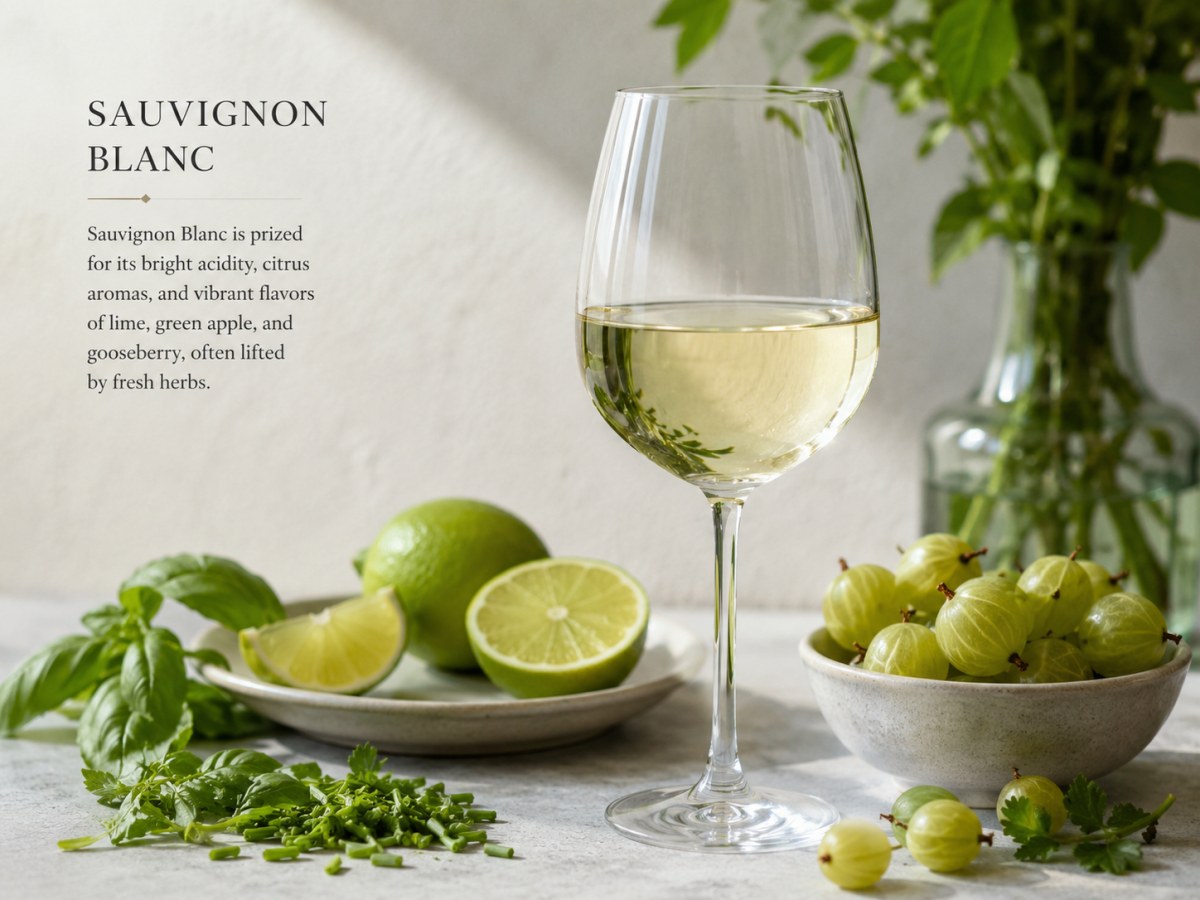
Sauvignon Blanc is one of the world's most recognisable white grape varieties. Known for freshness, vibrant acidity and distinctive aromas, it is often one of the easiest wines for new drinkers to identify.
It originated in France, particularly the Loire Valley and Bordeaux, and is now grown successfully around the world. New Zealand has become especially famous for a highly aromatic style.
Typical characteristics include lime, lemon, grapefruit, gooseberry, passionfruit and fresh herbs. Cooler regions often show citrus and herbal notes, while warmer regions may display more tropical fruit.
Sauvignon Blanc is one of the most food-friendly white wines, pairing well with seafood, goat's cheese, salads and dishes featuring citrus, herbs or olive oil.
Riesling
Acidity, precision and remarkable ageing potential
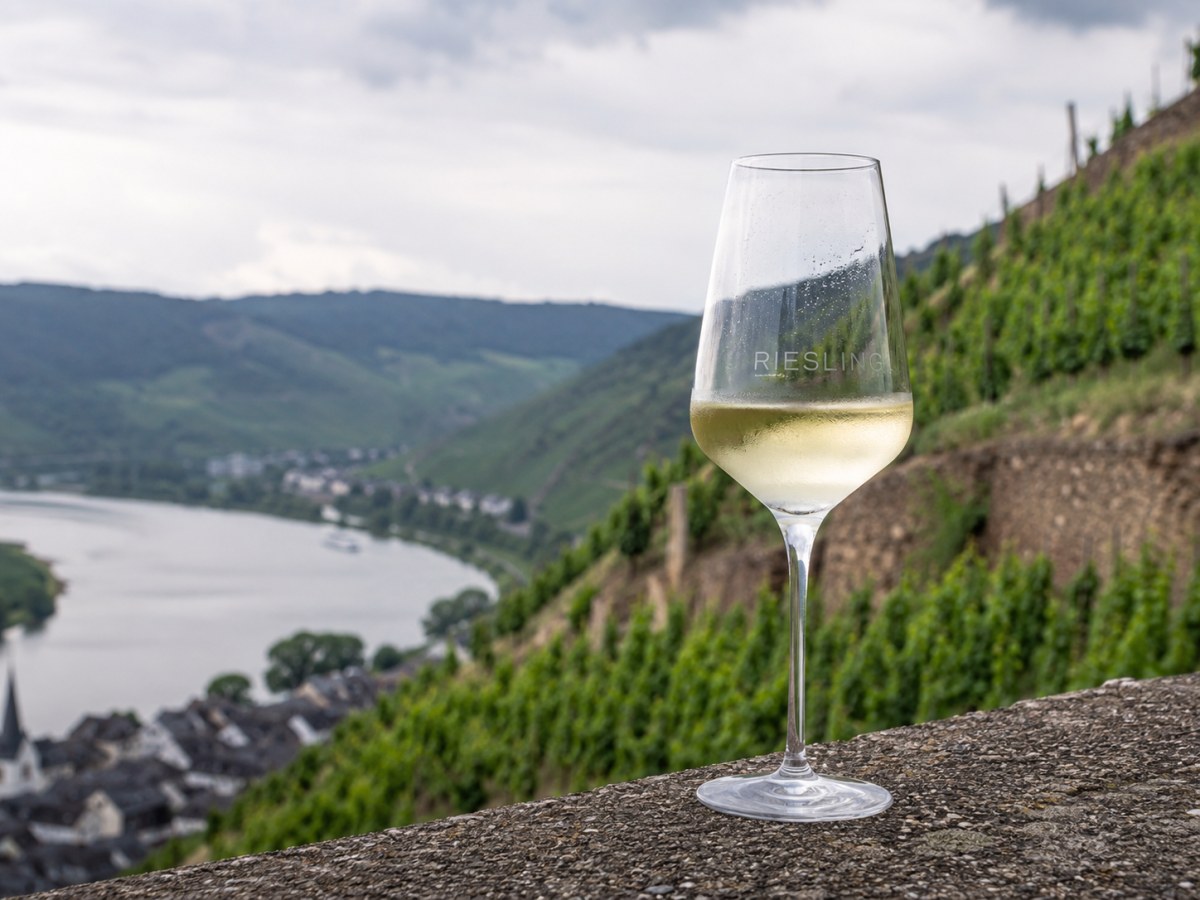
Riesling is often regarded by wine professionals as one of the world's greatest white grape varieties, yet it remains misunderstood because it can be produced from bone dry to intensely sweet.
It is most closely associated with Germany, although it is also important in Alsace, Austria, Australia and New Zealand.
Young Rieslings commonly display lime, lemon, green apple and floral aromas. With age, some develop honey, toast and complex mineral notes. High acidity is Riesling's defining feature, giving freshness, longevity and balance.
Riesling pairs well with seafood, pork, Asian cuisine and spicy dishes. It also provides a useful comparison for Assyrtiko, since both varieties can retain striking acidity.
Pinot Grigio
Light, easy and endlessly drinkable
Pinot Grigio is popular because it is approachable, refreshing and versatile with food. It is valued for drinkability rather than power.
The grape originated in France, where it is known as Pinot Gris, but is now most closely associated with northern Italy. Italian Pinot Grigio is often light, crisp and refreshing. Pinot Gris from Alsace can be richer, fuller-bodied and more aromatic.
Typical flavours include lemon, pear, apple and white peach. Most examples are light-bodied with moderate to high acidity.
Pinot Grigio pairs well with seafood, salads, light pasta dishes and Mediterranean cuisine.
Cabernet Sauvignon
The backbone of the world's great reds
Cabernet Sauvignon is one of the world's most widely planted and recognised red grape varieties. It originated in Bordeaux and now forms the backbone of many famous wines.
Typical characteristics include blackcurrant, blackberry, dark cherry, cedar, mint and tobacco. Cabernet Sauvignon is usually medium to full-bodied, high in tannin and suitable for ageing.
Cooler climates often produce more herbal notes and firmer structure. Warmer climates produce riper fruit, fuller body and softer tannins.
It pairs naturally with steak, lamb, barbecued meats and hard cheeses. Cabernet Sauvignon is a benchmark for structured red wines.
Merlot
Softer, rounder and instantly approachable
Merlot is one of the most approachable and widely enjoyed red grape varieties. Compared with Cabernet Sauvignon, it is often softer, rounder and more immediately accessible.
It originated in Bordeaux and is grown extensively around the world. It appears both as a single-variety wine and in blends.
Typical flavours include plum, black cherry, blackberry and chocolate. Merlot generally has softer tannins, medium body and generous fruit character.
Merlot pairs well with roast chicken, pork, lamb and pasta dishes. It demonstrates that not every red wine needs to be powerful and intensely structured.
Pinot Noir
Elegance over power
Pinot Noir is one of the world's most admired grape varieties and among the most challenging to cultivate successfully. Its wines are often elegant, expressive and capable of conveying a strong sense of place.
It is most closely associated with Burgundy, France, and is also grown successfully in New Zealand, the United States, Australia and Germany.
Typical flavours include cherry, strawberry and raspberry, with additional earthy, forest floor or spice notes in some wines. Pinot Noir usually has light to medium body, lower tannins and bright acidity.
It pairs beautifully with duck, mushroom dishes, roast poultry and pork. Its appeal often lies in elegance and balance rather than power.
Shiraz / Syrah
Bold, spiced and full of character
Known as Syrah in France and much of Europe, and Shiraz in Australia, this grape produces some of the world's most expressive red wines.
Syrah originated in France's Rhone Valley and is now grown in France, Australia, South Africa, the United States and Argentina.
Typical flavours include blackberry, plum, blueberry, black pepper, spice, smoke and chocolate. French Syrah often displays pepper, earthiness and structure, while Australian Shiraz is frequently riper, fuller-bodied and more fruit-driven.
Shiraz pairs particularly well with grilled meats, barbecue, slow-cooked dishes and game.
Sangiovese
Italy's food-loving red
Sangiovese is Italy's most important red grape variety and the foundation of many of the country's famous wines, including Chianti and Brunello di Montalcino.
It is most closely associated with Tuscany. Typical flavours include cherry, red plum, dried herbs, tomato leaf, earth and spice.
Sangiovese is known for bright acidity and food-friendliness. It often seems to come alive at the table, especially with tomato-based dishes.
It pairs well with pasta, pizza, roast meats and Mediterranean cuisine. Sangiovese demonstrates the importance of acidity, balance and regional food traditions.
Nebbiolo
Firm, fragrant and built to age
Nebbiolo is responsible for some of Italy's most celebrated wines, including Barolo and Barbaresco from Piedmont.
Typical flavours include cherry, rose petals and red fruits. With age, Nebbiolo may develop dried flowers, leather and earthy notes.
Nebbiolo is unusual because it combines high acidity with high tannins. Young wines can appear firm and demanding, while mature examples often display remarkable elegance.
It pairs well with rich meat dishes, game, truffle-based dishes and mature cheeses. Nebbiolo is a useful reference point for Xinomavro because both varieties share high acidity, firm tannins and ageing potential.
A Brief History of Greek Wine
Thousands of years in the making
Few countries can claim a winemaking history as long or influential as Greece. Wine has been produced in Greece for thousands of years, making it one of the oldest wine-producing nations in the world.
For the ancient Greeks, wine was more than a beverage. It was woven into daily life, trade, religion and culture. Greek merchants transported wine across the Aegean, Mediterranean and Black Sea, helping spread wine culture throughout the ancient world.
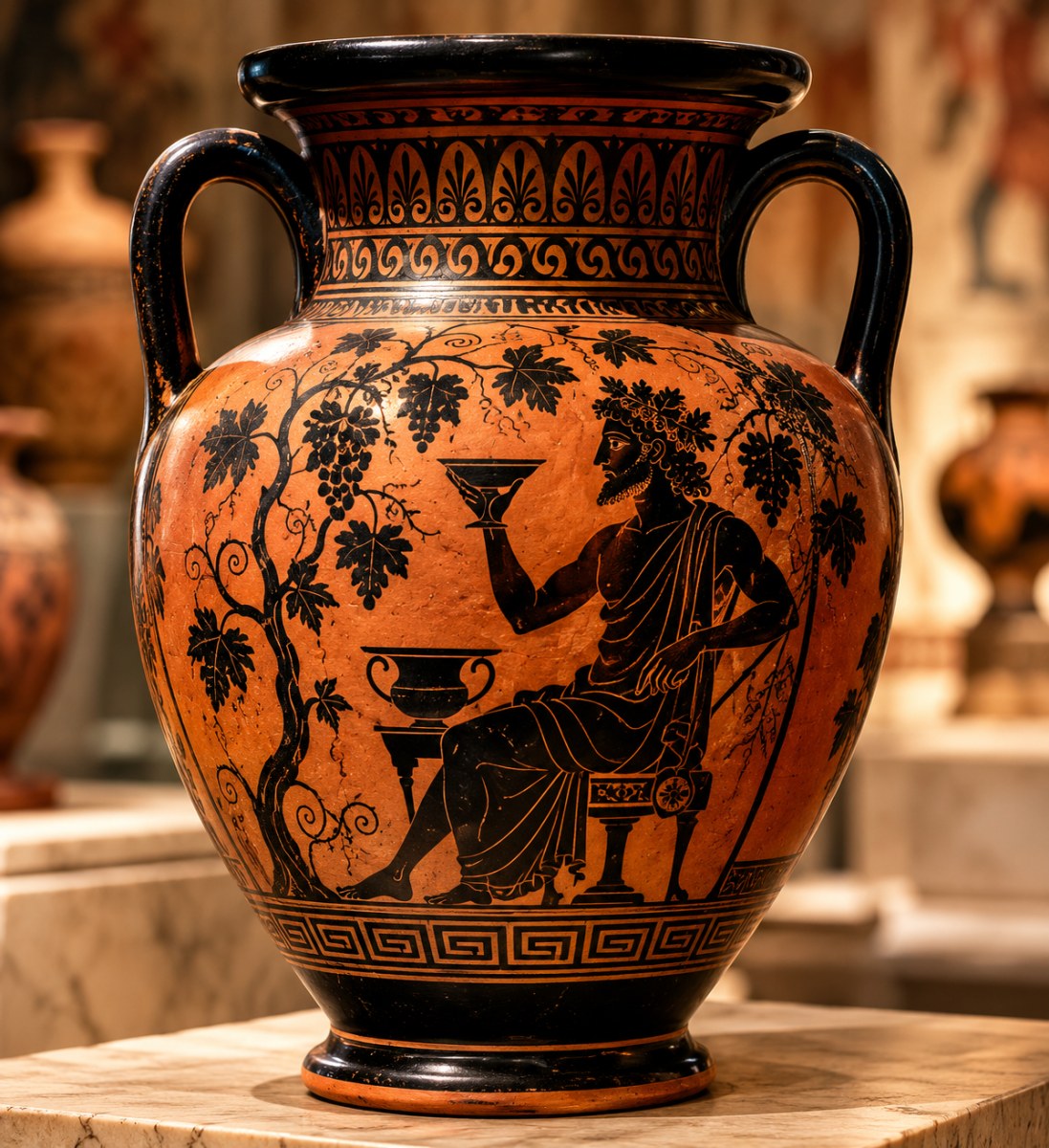
Wine occupied an important place in mythology through Dionysus, the god of wine, fertility and celebration. Festivals dedicated to Dionysus featured music, theatre and communal celebration, highlighting wine's central role in society.
Greek wine traditions continued through the Roman and Byzantine periods, although wars, economic hardship and changing agricultural priorities later affected production. During much of the twentieth century, Greece's wine industry focused more on quantity than quality.
In recent decades, a new generation of winemakers has transformed the industry. By focusing on quality, indigenous varieties and modern techniques, Greece has re-established itself as one of the world's most exciting wine-producing countries.
Why Greek Wine is Different
Originality in a world of familiar grapes
In a world where many wine regions focus on familiar international grape varieties, Greece offers something increasingly rare: originality.
Greek wine is built upon hundreds of indigenous grape varieties, unique growing conditions and a winemaking tradition that stretches back thousands of years. While international grapes are also grown in Greece, the country's greatest strength lies in varieties found almost nowhere else.
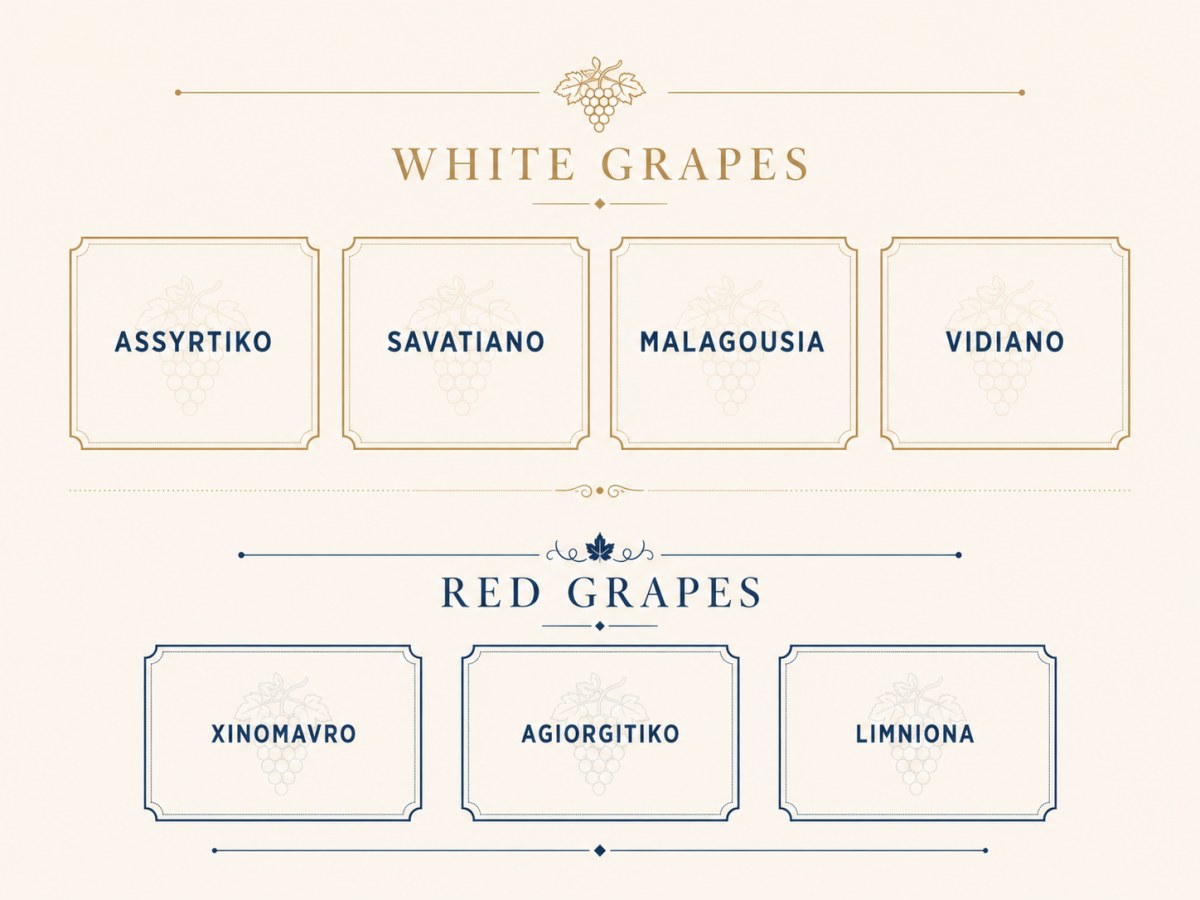
Examples include Assyrtiko, Xinomavro, Agiorgitiko, Savatiano, Malagousia, Limniona and Vidiano. These grapes create wines with personalities that cannot easily be replicated elsewhere.
Despite its relatively small size, Greece includes islands, mountains, coastal regions and inland valleys. These varied environments create a broad range of wine styles. For many wine lovers, Greek wine represents discovery: new grapes, new regions and new reference points.
Understanding Greek Wine Regions
From volcanic islands to mountain vineyards
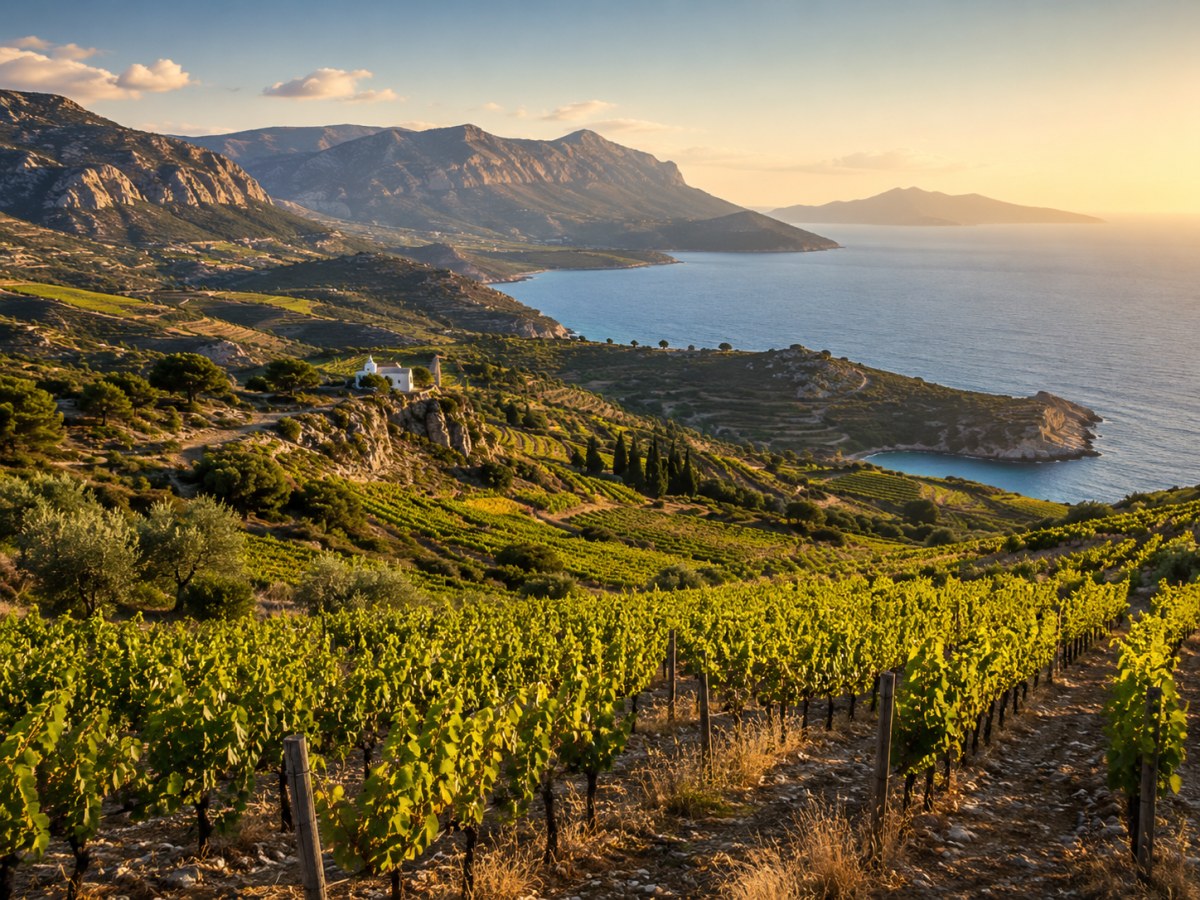
Although Greece is not a large country, its wine regions are remarkably diverse. From Santorini's volcanic landscapes to the mountainous vineyards of northern Greece, each region offers distinct conditions that influence wine style.
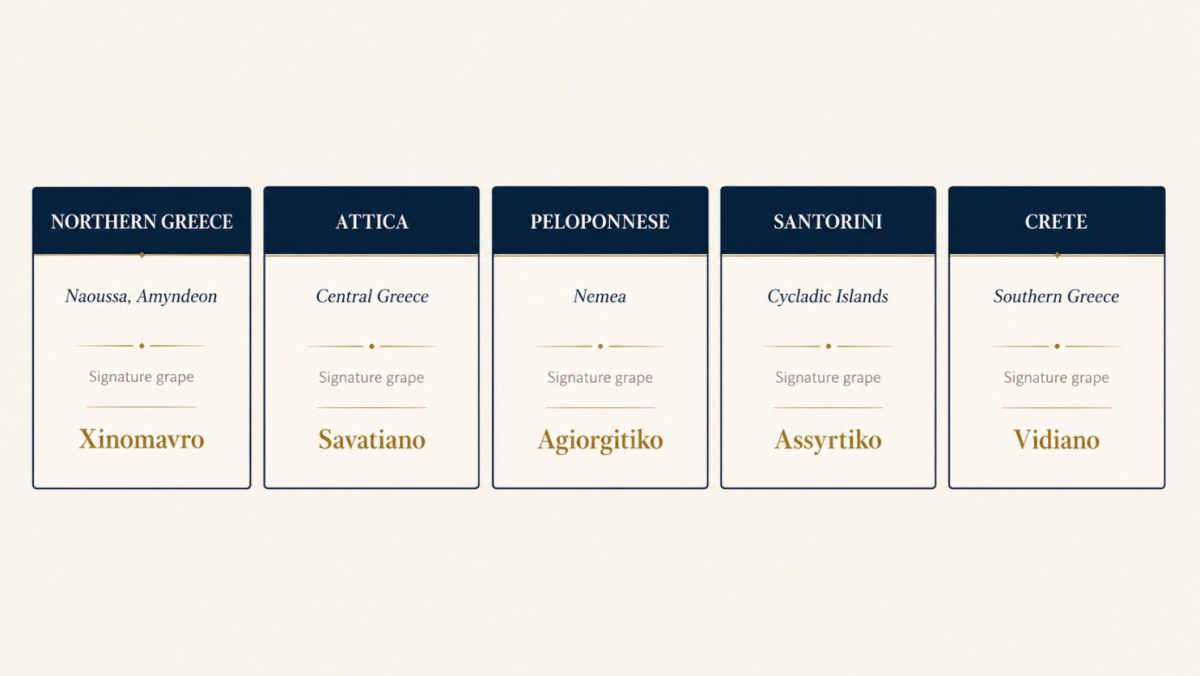
Northern Greece is home to Naoussa, Amyndeon and Goumenissa and is particularly associated with Xinomavro. These regions often produce structured wines with freshness and ageing potential.
Central Greece includes Attica, one of the country's most historic wine-producing regions and the home of Savatiano. The Peloponnese is one of Greece's most important wine areas, with Nemea famous for Agiorgitiko.
The islands provide some of Greece's most distinctive wines. Santorini is famous for Assyrtiko, while Crete is increasingly recognised for indigenous varieties such as Vidiano, Liatiko and Kotsifali.
There is no single Greek wine style. The country's wines reflect the variety of landscapes, climates and grape varieties found across Greece.
The Modern Greek Wine Revival
A new generation, a renewed identity
Today's Greek wine industry looks very different from that of just a few decades ago. While Greece has ancient winemaking roots, its modern reputation has largely been built in recent decades.
A shift toward quality included better vineyard management, modern winery equipment, improved winemaking and renewed emphasis on indigenous varieties. A new generation of winemakers emerged with international experience and a desire to showcase Greek identity rather than copy international styles.
Many indigenous grape varieties had been overlooked for decades. Forward-thinking producers recognised that these grapes represented Greece's greatest competitive advantage. Varieties such as Assyrtiko, Xinomavro, Agiorgitiko, Malagousia and Vidiano have since gained renewed attention.
Greek wines now appear on serious wine lists and in specialist retailers around the world. The combination of indigenous grapes, diverse terroirs, skilled producers and growing recognition positions Greece as one of the most distinctive wine destinations in the world.
CHAPTER 26A
Understanding Retsina
Greece's most distinctive tradition
Few wines are more closely associated with Greece than Retsina. For some wine drinkers it is a beloved traditional style. For others it is misunderstood. Either way, understanding Retsina is an important part of understanding Greek wine.
The origins of Retsina stretch back thousands of years. In the ancient world, wine was often transported and stored in clay vessels known as amphorae. To prevent air from entering and spoiling the wine, producers sealed these vessels with pine resin. Over time, some of the resin's aromas and flavours entered the wine.
Modern Retsina is characterised by the addition of Aleppo pine resin during fermentation. The resulting wines often show pine, herbs, resin and Mediterranean vegetation.
During much of the twentieth century, large quantities of inexpensive Retsina damaged the style's reputation. In recent decades, quality-focused producers have restored interest by using better grapes and more careful winemaking.
Today's best examples are fresh, refined and food-friendly. Rather than overwhelming the wine, the resin complements the fruit. Papagiannakos in Attica is often associated with the revival of premium Retsina.
Retsina pairs particularly well with meze, grilled seafood, fried fish, olives and traditional Greek dishes. It represents a direct link between modern Greece and one of the world's oldest winemaking traditions.
QUICK REFERENCE
Greek Wine at a Glance
The essential grapes to know before we go further
Before exploring Greece's wine regions and producers in greater detail, it is useful to become familiar with the country's most important grape varieties.
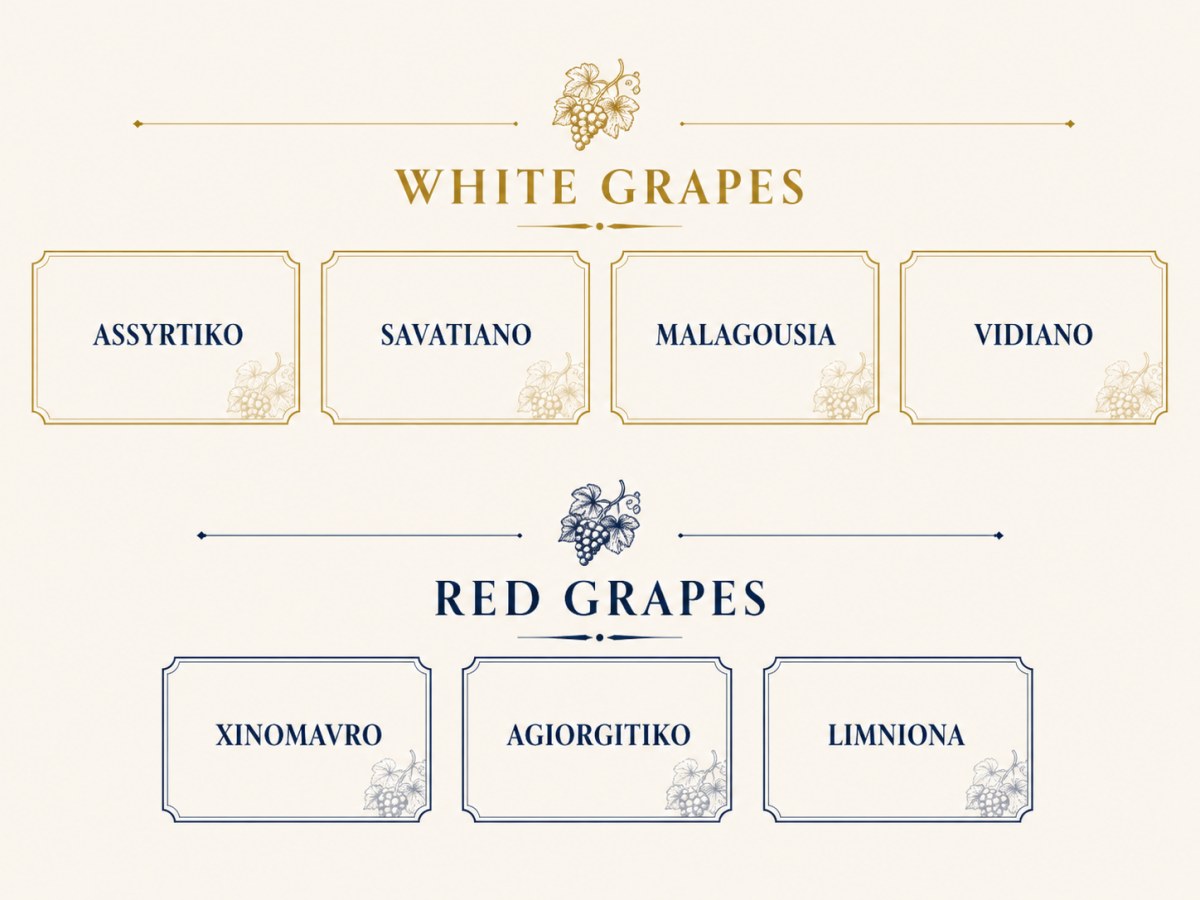
Assyrtiko is a white grape primarily associated with Santorini and known for high acidity, citrus and mineral character. Savatiano is a white grape associated with Attica and valued for fresh, balanced, food-friendly wines. Malagousia is a white grape with aromatic, floral and stone fruit qualities. Vidiano is a white grape from Crete that can be rich, textured and expressive.
Xinomavro is a red grape associated with Macedonia, especially Naoussa, and is known for structure, high acidity and ageing potential. Agiorgitiko is the red grape of Nemea and is fruit-driven, approachable and versatile. Limniona is an emerging red grape from Tyrnavos, valued for elegance and freshness.
Although international varieties are grown throughout Greece, these indigenous grapes help define the country's modern wine identity.
QUICK REFERENCE
Understanding PDO and PGI
What those letters on the label actually mean
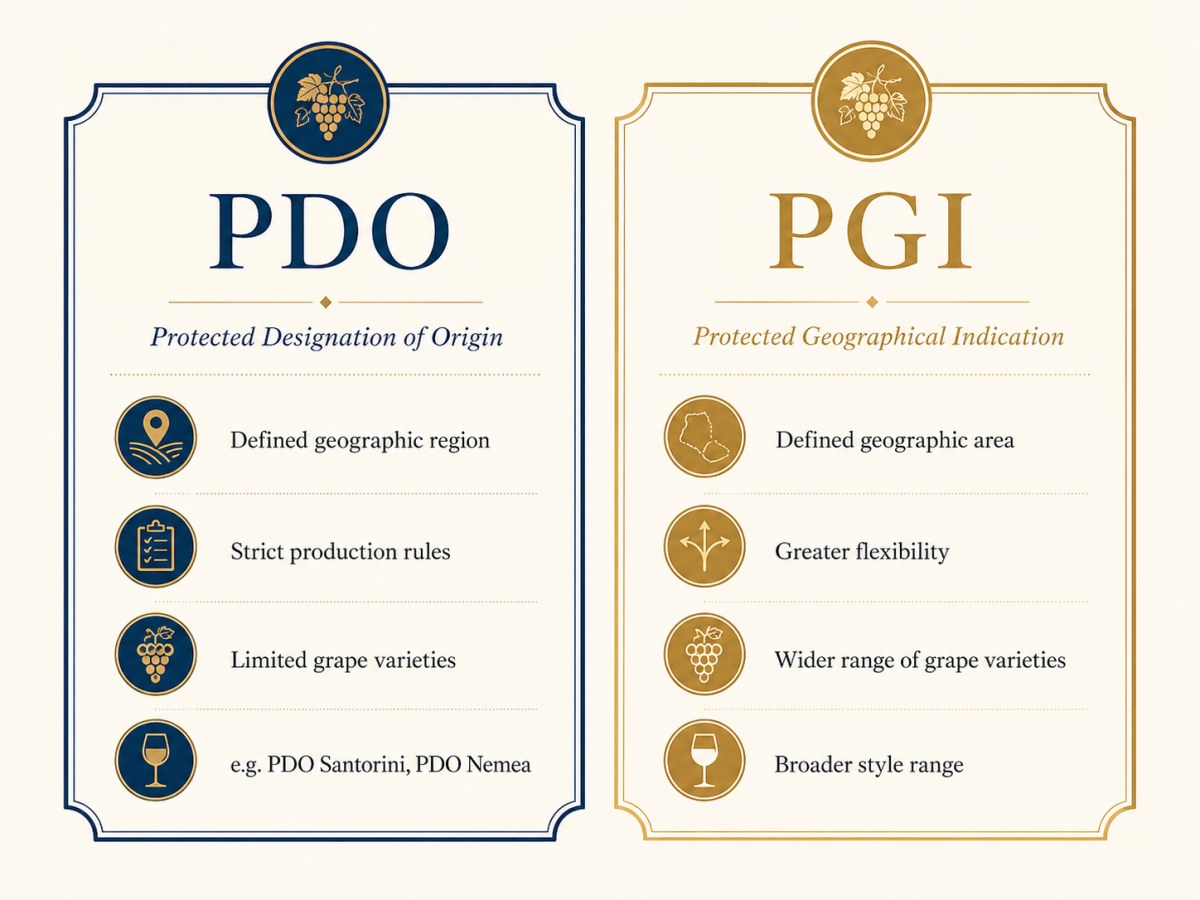
When exploring Greek wines, you will frequently encounter abbreviations such as PDO and PGI on labels. These designations identify where a wine was produced and provide useful information about origin.
PDO means Protected Designation of Origin. These wines originate from a clearly defined geographic region and must comply with specific production rules. These may govern vineyard boundaries, permitted grape varieties, production methods and maximum yields.
PGI means Protected Geographical Indication. PGI wines also come from a defined area, but producers have more flexibility regarding grape varieties and winemaking approaches.
PDO and PGI are not guarantees of quality. Outstanding wines can be produced under either classification. They are best understood as origin and style indicators.
Examples include PDO Santorini, PDO Nemea and PDO Naoussa.
QUICK REFERENCE
How to Read a Greek Wine Label
Four things to look for, every time
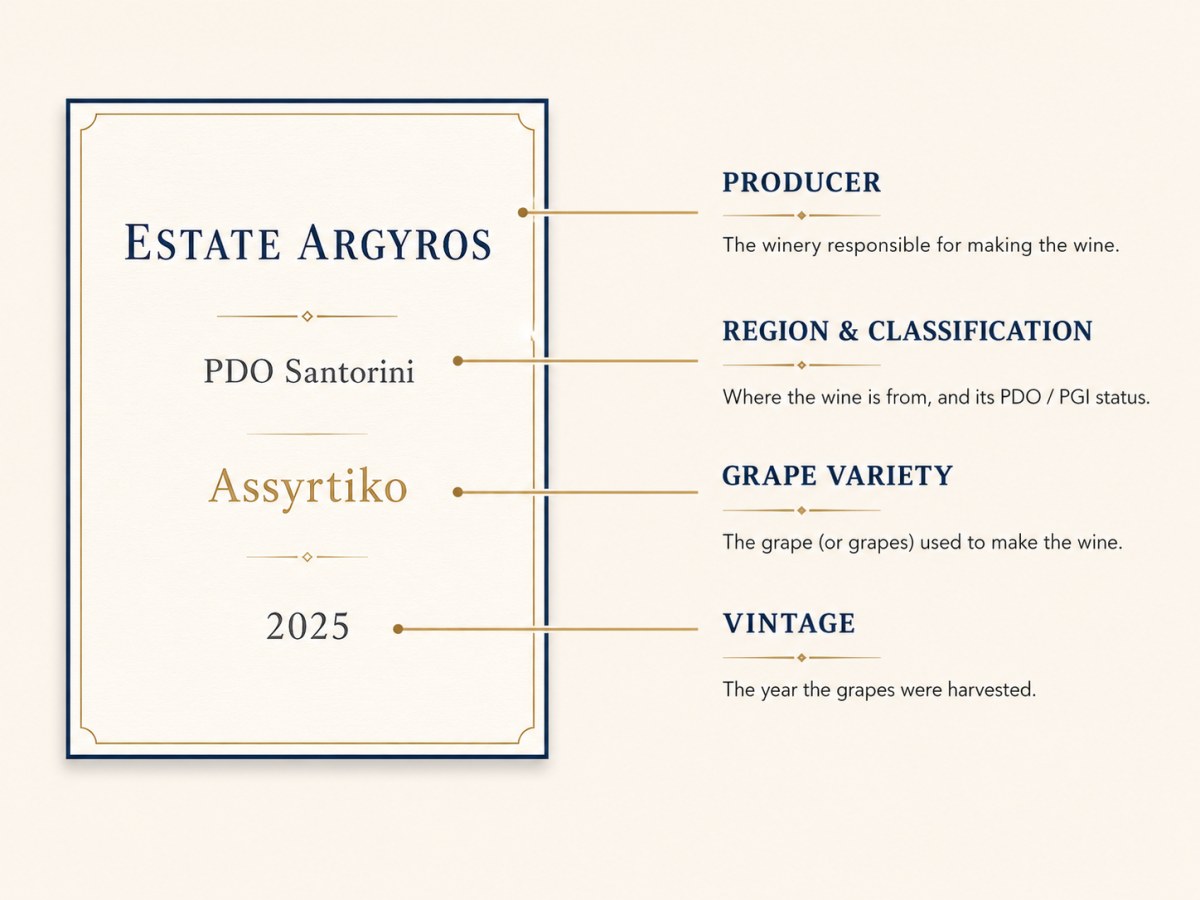
Wine labels can appear intimidating, but most Greek wine labels contain the same basic information.
The producer is the winery responsible for making the wine. Examples include Estate Argyros, Gaia, Gerovassiliou and Papagiannakos.
The region indicates where the wine was produced, such as Santorini, Nemea, Naoussa or Crete. The grape variety may also be listed, such as Assyrtiko, Xinomavro, Agiorgitiko or Vidiano.
Many labels display PDO or PGI classification. The vintage indicates the year the grapes were harvested.
For example: Estate Argyros, PDO Santorini, Assyrtiko, 2025. Even without tasting the wine, you now know the producer, region, variety and vintage.
Greece's Indigenous Grape Varieties
This part takes a closer look at the seven indigenous grape varieties that define modern Greek wine — the grapes introduced briefly in Part 3, now explored in depth. Each profile includes the grape's home region, typical character, and food pairings, so you can recognise it confidently on a wine list or at a winery table.
Assyrtiko
Greece's flagship white grape
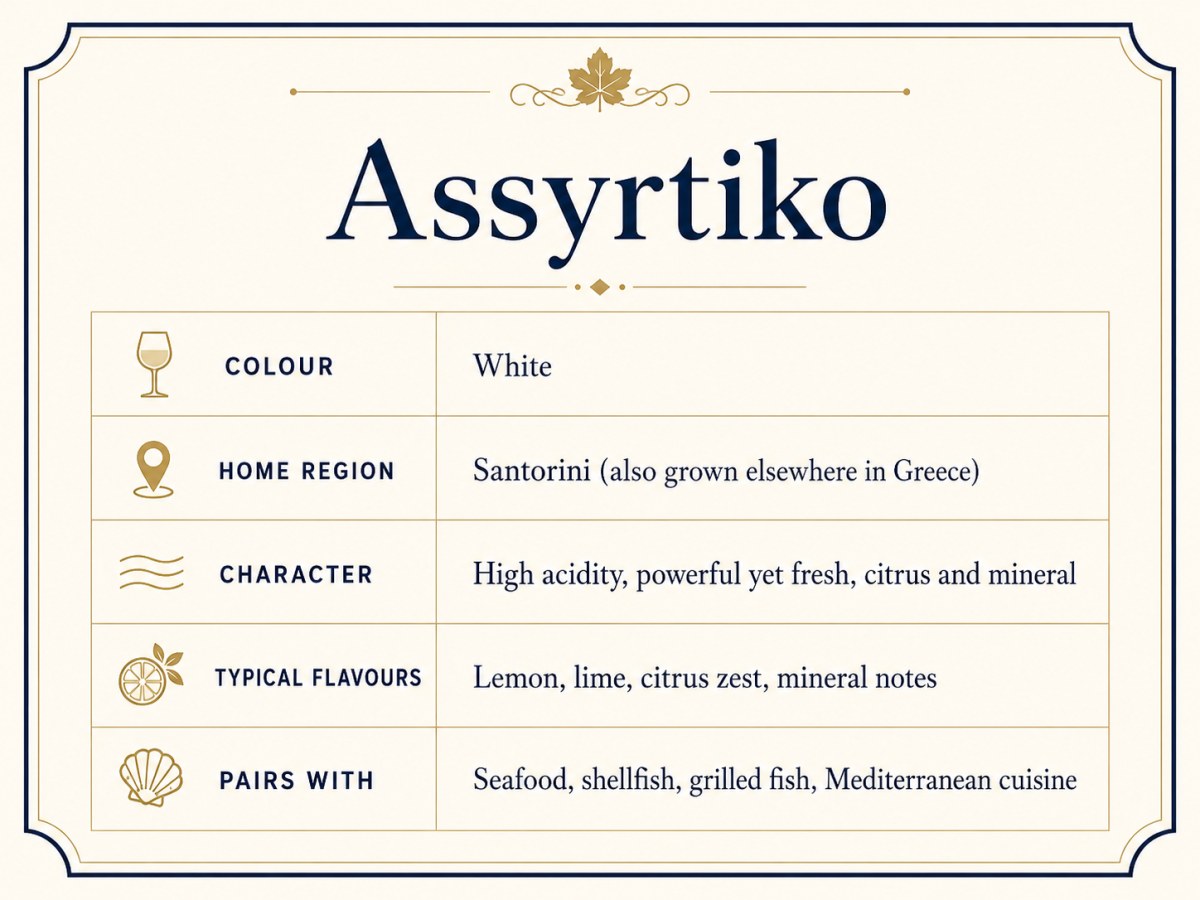
If Greece has a flagship white grape variety, it is Assyrtiko. Renowned for freshness, structure and the ability to retain acidity in hot climates, it has become one of Greece's most internationally recognised wines.
Assyrtiko is most closely associated with Santorini, although it is now grown in other regions. On Santorini it has adapted to volcanic soils, strong winds and limited rainfall.
Typical flavours include lemon, lime, citrus zest and mineral notes. The best wines often combine power and richness with vibrant acidity.
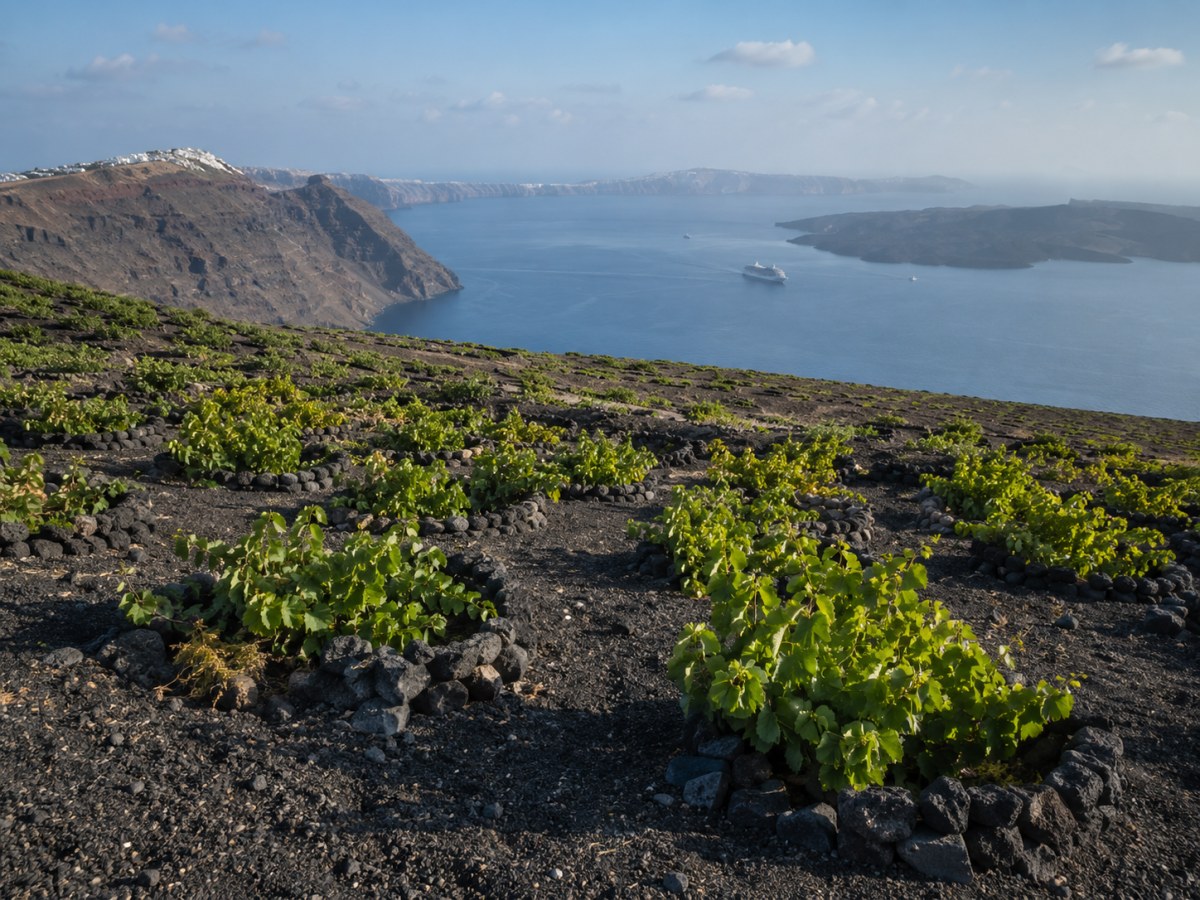
Santorini vines are often trained into basket-shaped formations known as kouloura, protecting grapes from wind and intense sunlight. Assyrtiko pairs beautifully with seafood, shellfish, grilled fish and Mediterranean cuisine.
Xinomavro
Greece's flagship red grape
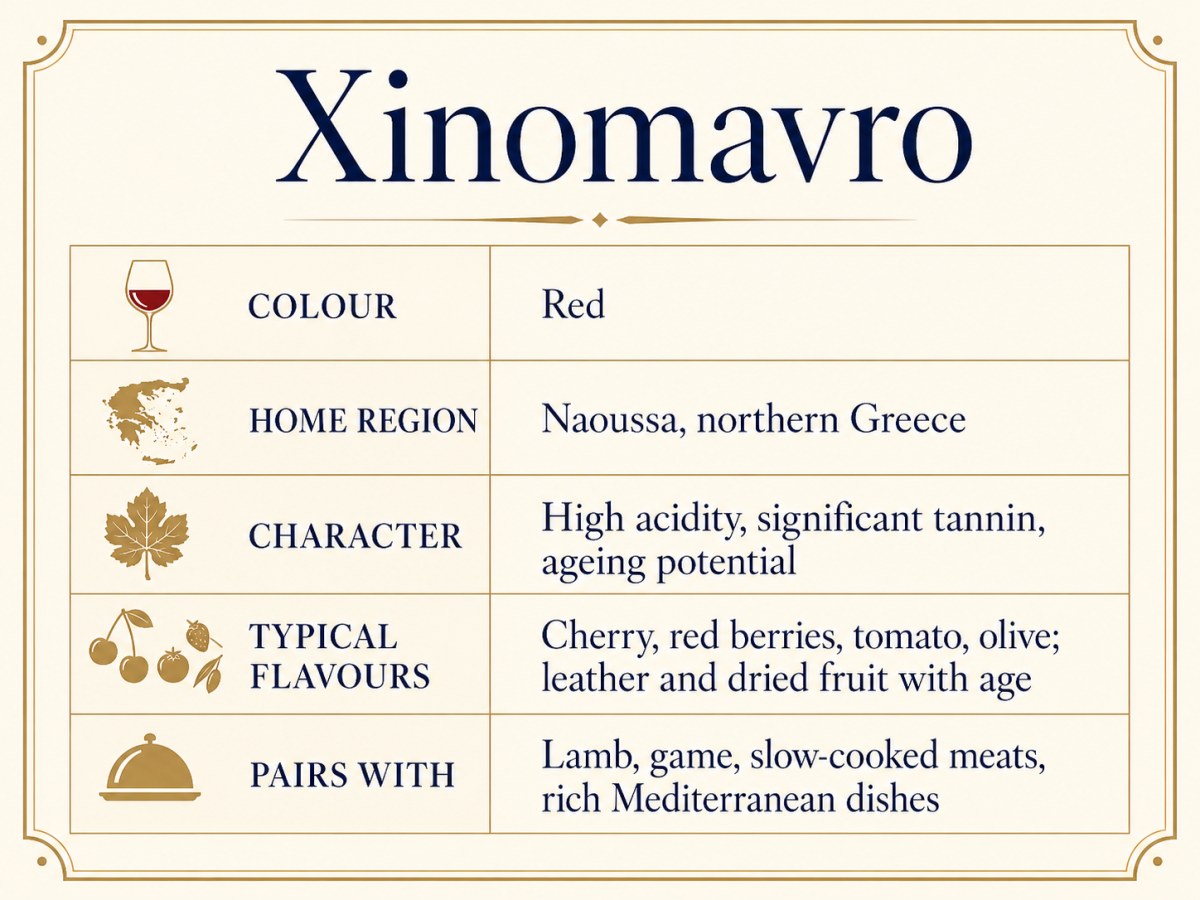
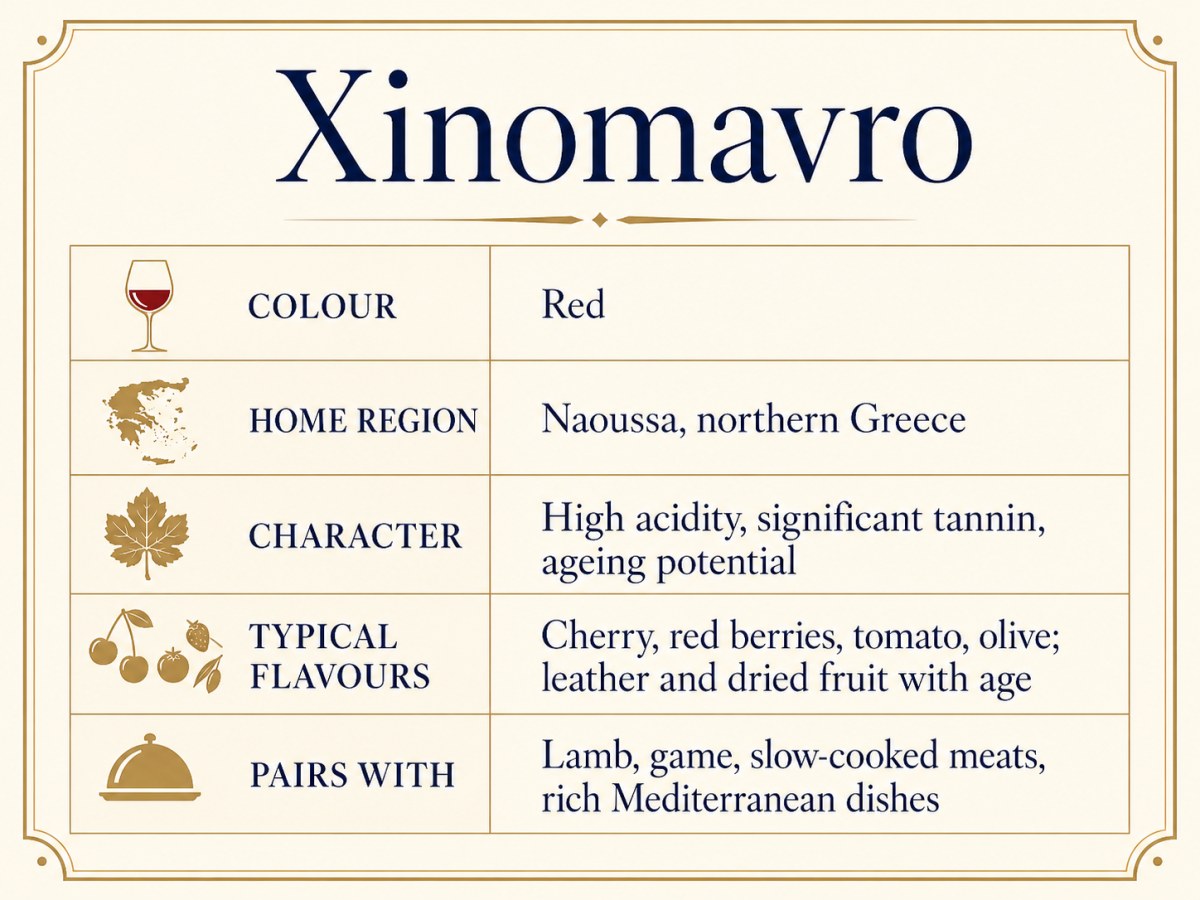
If Assyrtiko is Greece's flagship white grape, Xinomavro is often considered its flagship red. Known for structure, complexity and ageing potential, it produces some of Greece's most respected red wines.
Xinomavro is most closely associated with northern Greece, particularly Naoussa. Typical flavours include cherry, red berries, tomato and olive, with older wines developing dried fruit, leather and earthy notes.
It combines high acidity and significant tannins, giving structure and longevity. It is often compared with Nebbiolo, although it has a distinct identity of its own.
Xinomavro pairs particularly well with lamb, game, slow-cooked meats and rich Mediterranean dishes.
Agiorgitiko
Nemea's approachable, versatile red
Agiorgitiko is one of Greece's most widely planted and versatile red grape varieties. Known for approachable fruit character and broad stylistic range, it is one of the country's most popular wines.
Agiorgitiko is most closely associated with Nemea in the Peloponnese. Typical flavours include plum, cherry, blackberry, spice and sometimes chocolate.
Compared with Xinomavro, Agiorgitiko is often softer, more approachable and less tannic. It can produce fresh everyday reds, rose wines and premium barrel-aged examples.
It pairs well with grilled meats, roast lamb, Mediterranean dishes and hard cheeses.
Savatiano
Attica's quiet revival
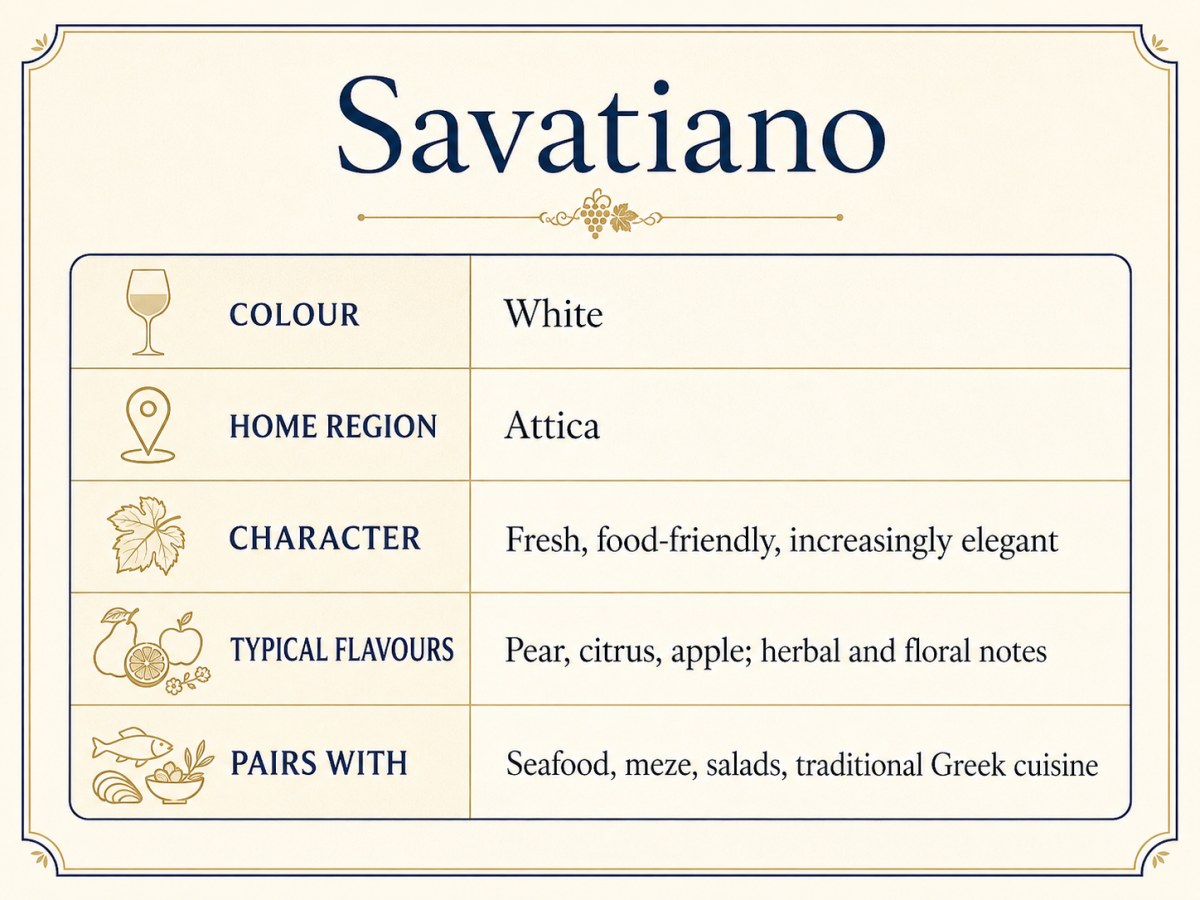
Savatiano was long misunderstood, historically associated with large-scale production. It is now experiencing a renaissance as quality-focused producers demonstrate its potential.
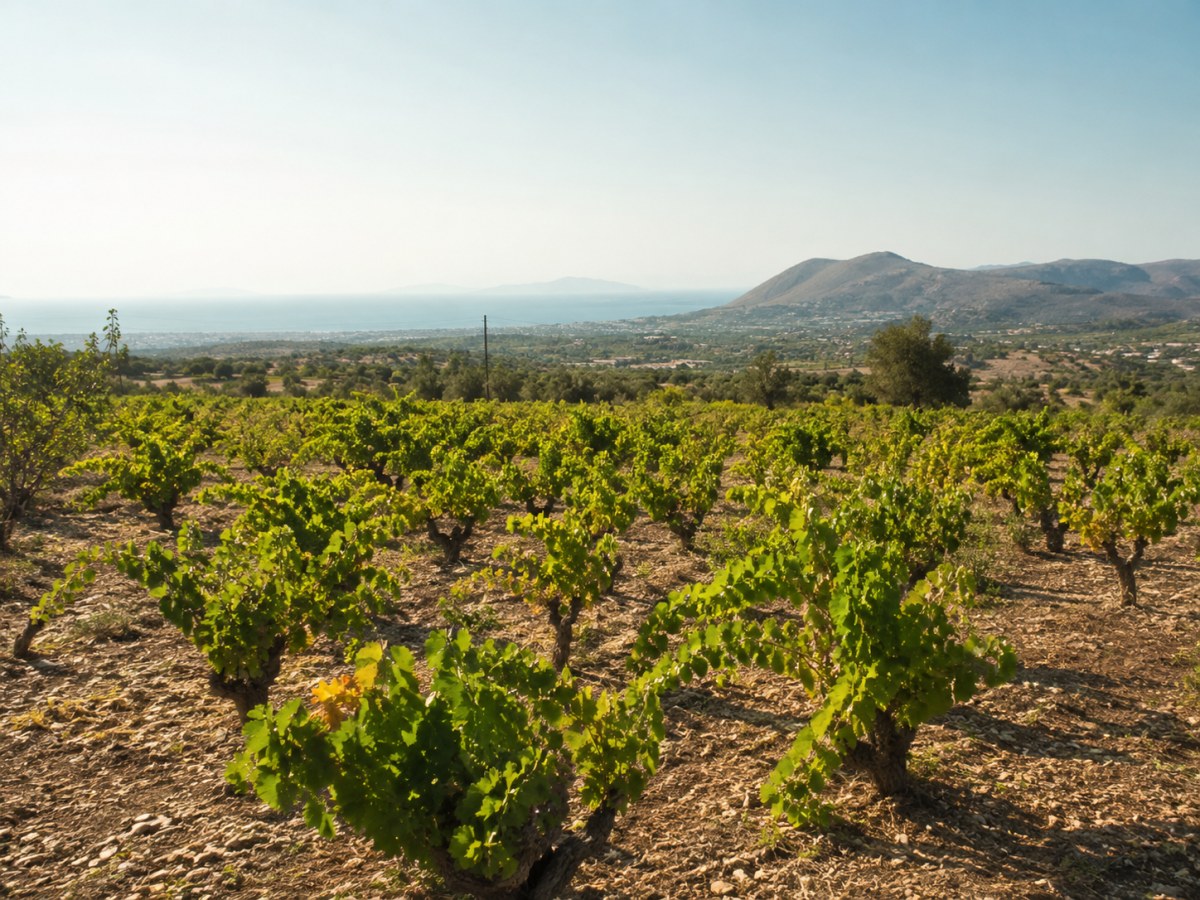
Savatiano is most closely associated with Attica, the region surrounding Athens. It is one of Greece's most widely planted white grapes and is well suited to warm, dry conditions.
Typical flavours include pear, citrus and apple, with possible herbal and floral notes. Modern examples can show freshness, elegance and complexity.
It pairs naturally with seafood, meze, salads and traditional Greek cuisine.
Malagousia
Rescued from near extinction
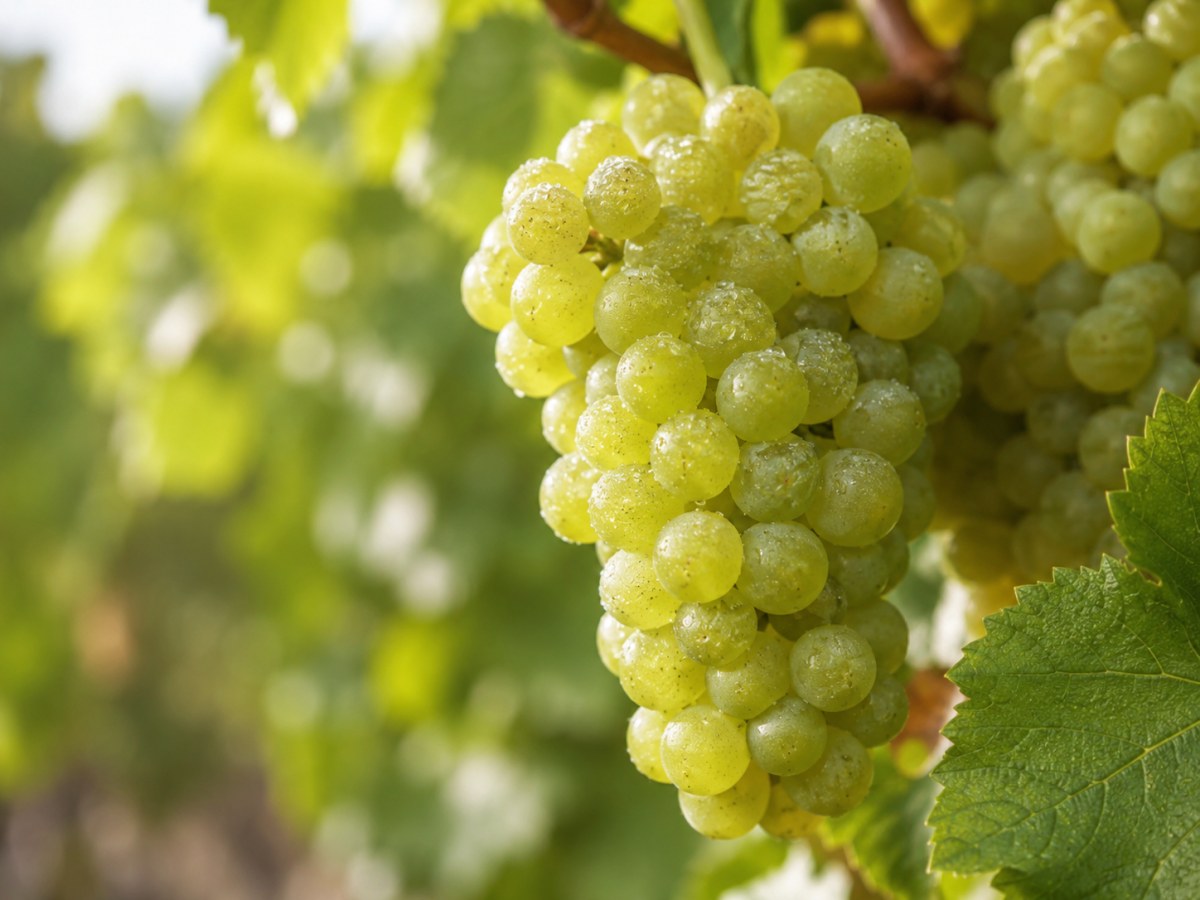
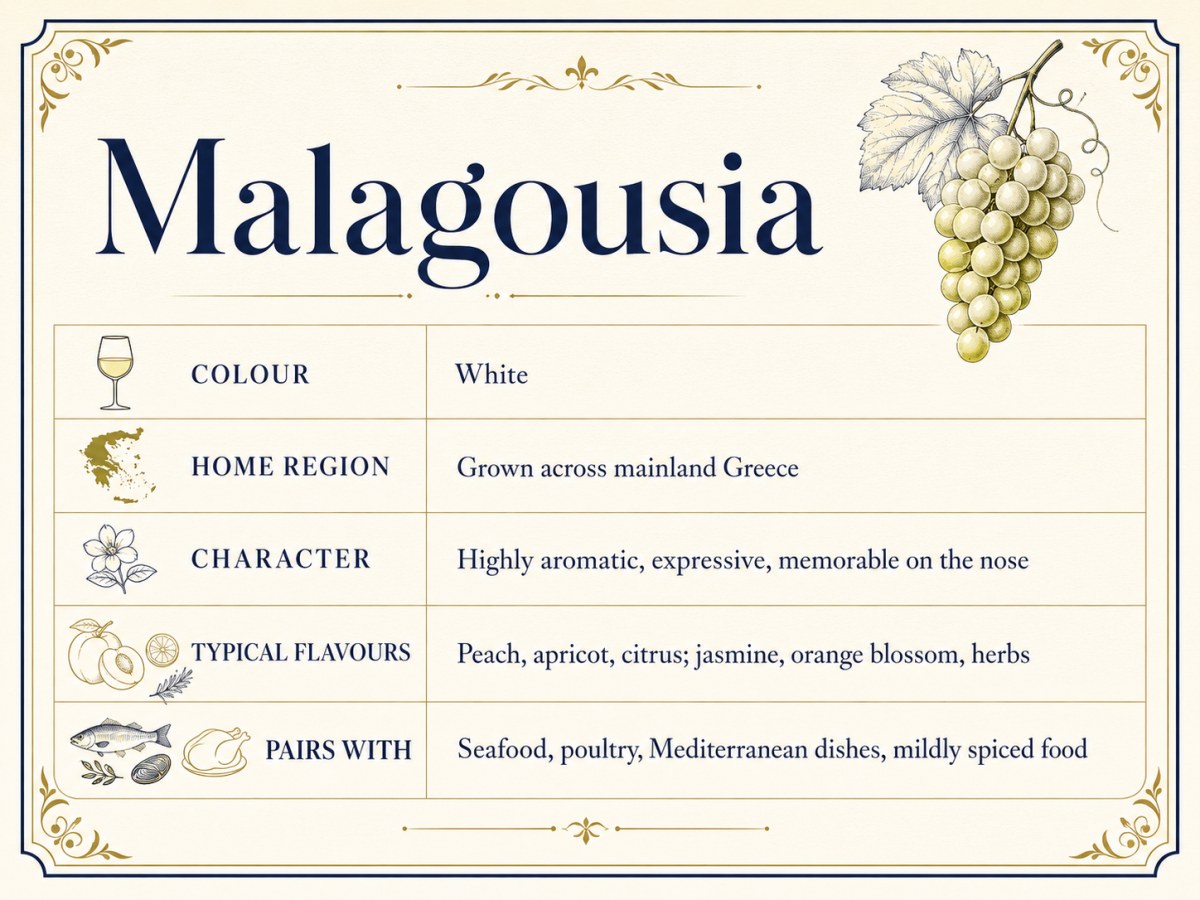
Malagousia is one of the success stories of modern Greek wine. Once close to disappearing, it has been revived and is now regarded as one of Greece's most exciting white varieties.
Typical flavours include peach, apricot and citrus, with possible jasmine, orange blossom and herbal notes. It is known for expressive aromatics and often makes a strong impression during tastings.
Malagousia pairs well with seafood, poultry, Mediterranean dishes and mildly spiced foods. Its revival reflects the broader resurgence of Greek wine and renewed appreciation for indigenous grapes.
Limniona
One of Greece's rising stars
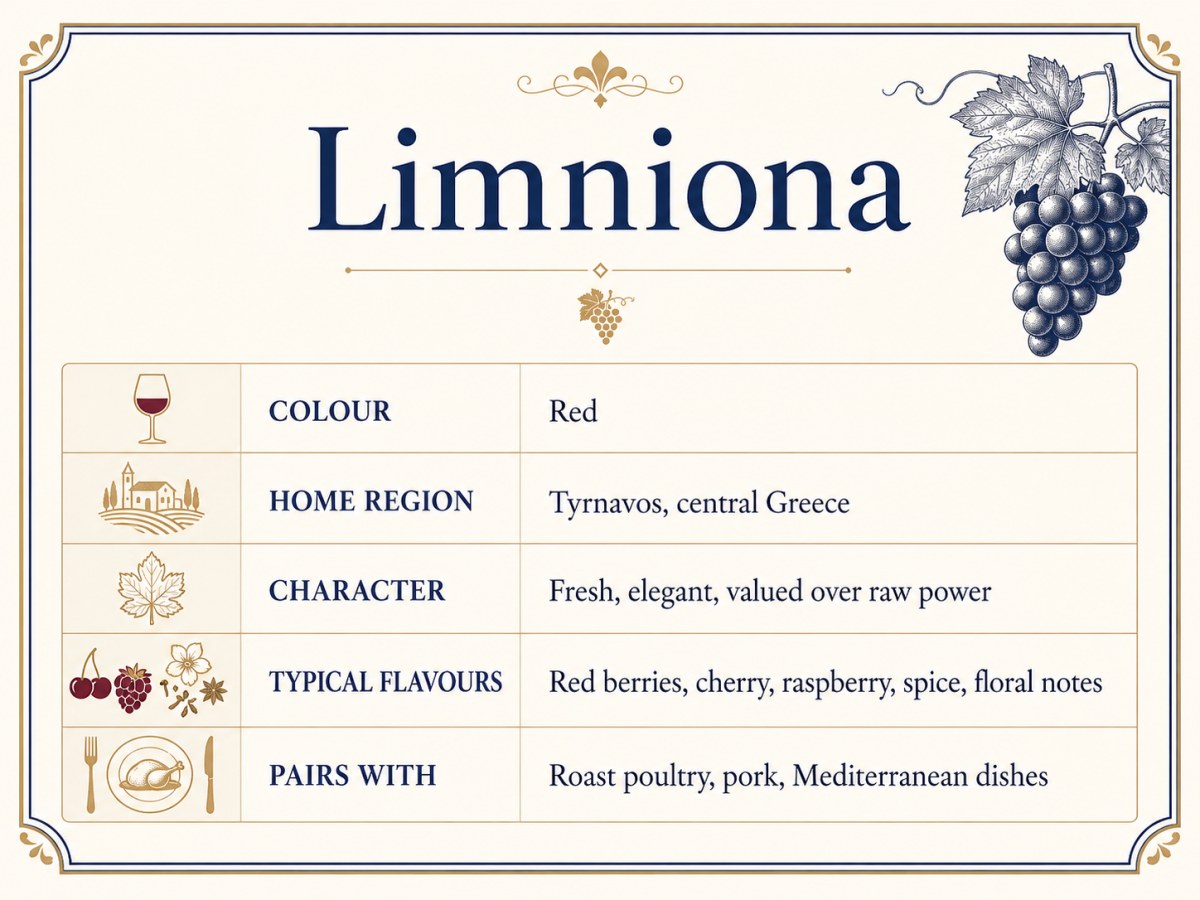
Limniona is one of Greece's rising stars. Although still relatively unknown outside specialist wine circles, it is attracting increasing attention.
It is primarily associated with central Greece, particularly the area around Tyrnavos. Typical flavours include red berries, cherry, raspberry, spice and floral notes.
Limniona is often valued for freshness, balance and elegance rather than power. It pairs well with roast poultry, pork and Mediterranean dishes.
The variety highlights the remarkable diversity of Greece's indigenous grapes and the country's continuing evolution as a wine producer.
Vidiano
Crete's flagship white
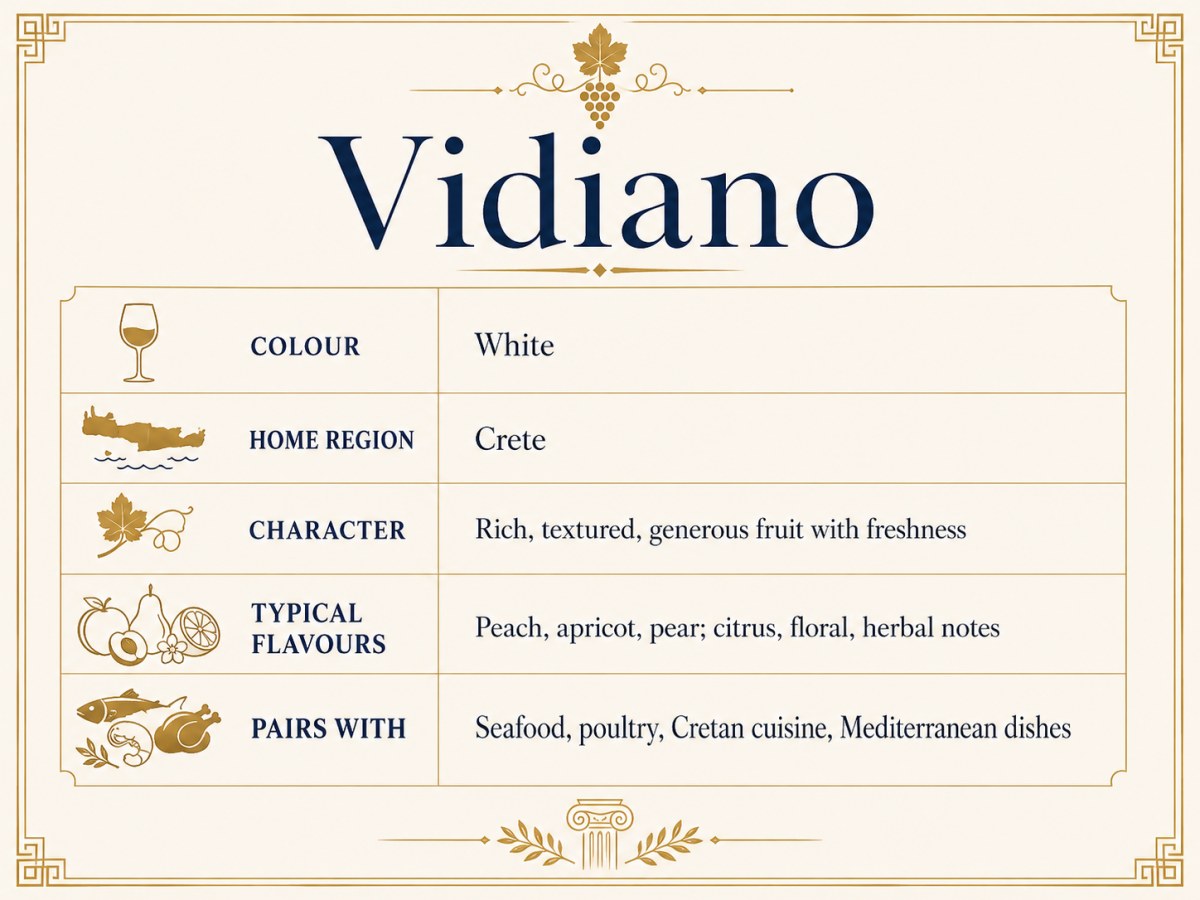
Vidiano has become one of the flagship white varieties of Crete. Its combination of richness, texture and freshness has earned growing recognition.
Vidiano is indigenous to Crete. Typical flavours include peach, apricot and pear, with possible citrus, floral and herbal notes.
The wines often combine generous fruit, moderate acidity and textural richness. This balance makes Vidiano appealing to a broad range of wine drinkers.
Vidiano pairs beautifully with seafood, poultry, Cretan cuisine and Mediterranean dishes. It reflects the growing confidence of modern Cretan producers.
Attica
Where Greek wine and Greek history meet
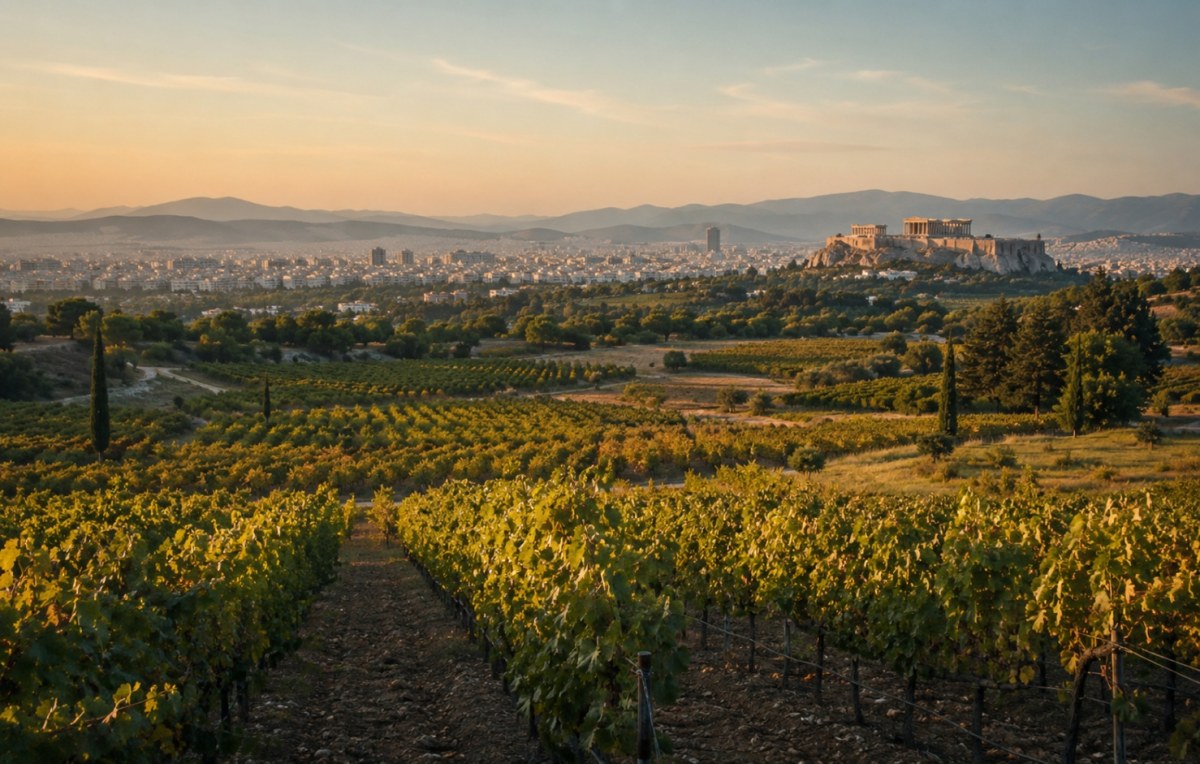
For many visitors, Attica is their introduction to Greece. Home to Athens and the surrounding region, Attica has played an important role in Greek wine production for thousands of years.
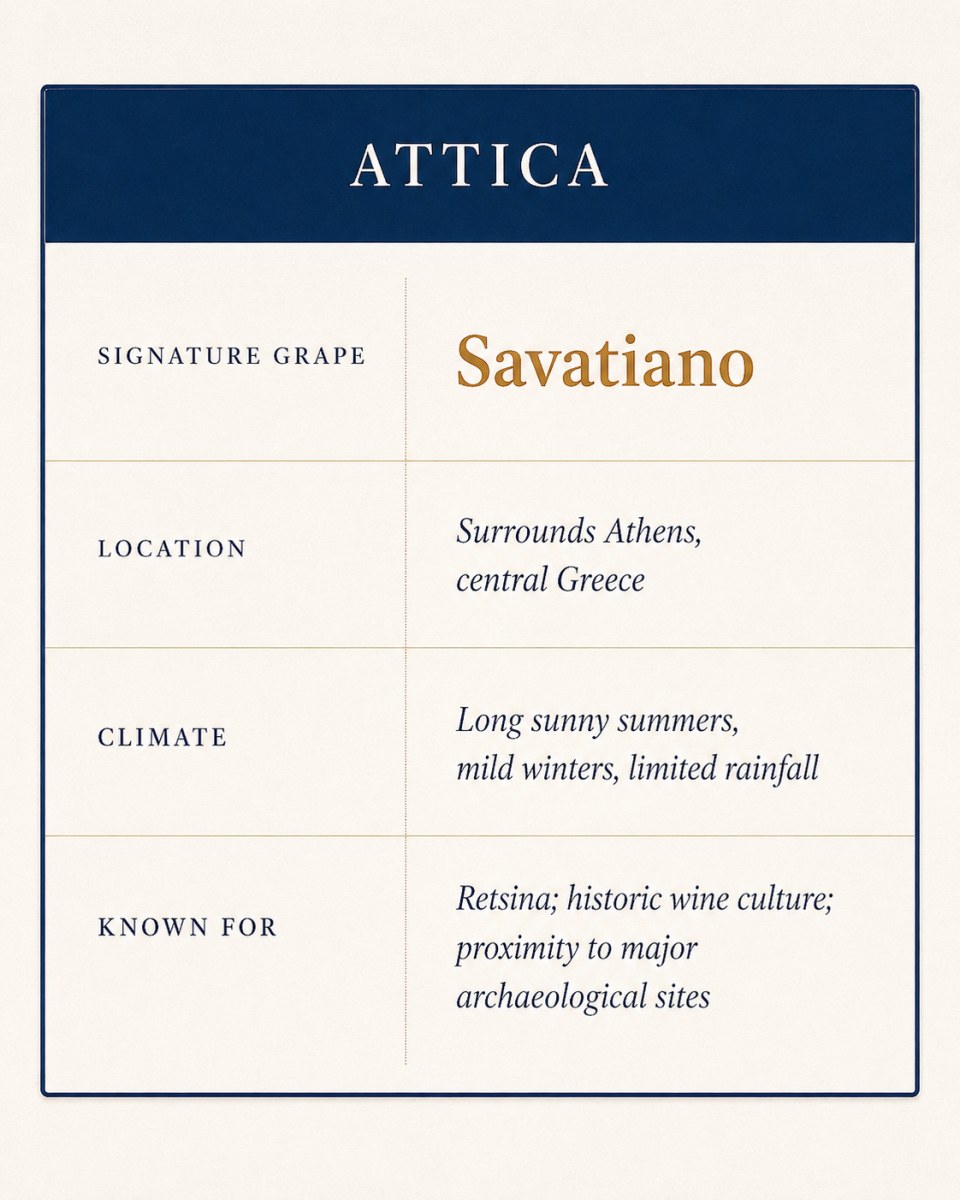
Attica surrounds Athens and extends across rolling hills, coastal influences and warm Mediterranean conditions. Long sunny summers, mild winters and limited rainfall create a challenging but historic environment for viticulture.
The region is most closely associated with Savatiano, a resilient grape that thrives in warm, dry conditions. Attica is also strongly connected with Retsina, Greece's famous pine-resin wine style.
For many years Attica was associated more with quantity than quality. Today, leading producers are creating fresher, more precise wines and reshaping perceptions of both Savatiano and the region itself.
Few wine regions combine such proximity to major archaeological sites with a living wine culture. Attica provides an ideal starting point for understanding modern Greek wine.
Nemea
The home of Agiorgitiko
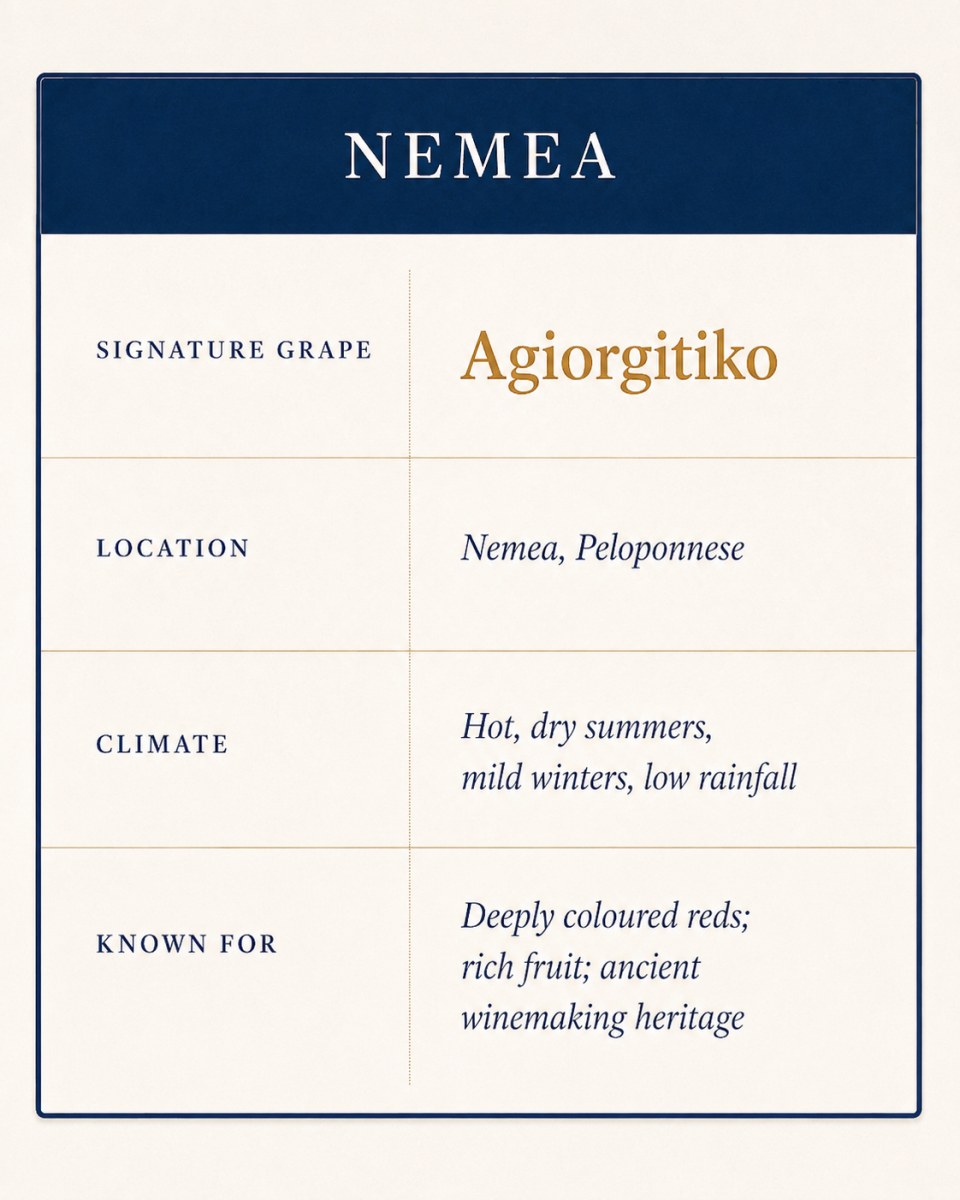
Located in the north-eastern Peloponnese, Nemea is one of Greece's most important wine regions and the home of Agiorgitiko.
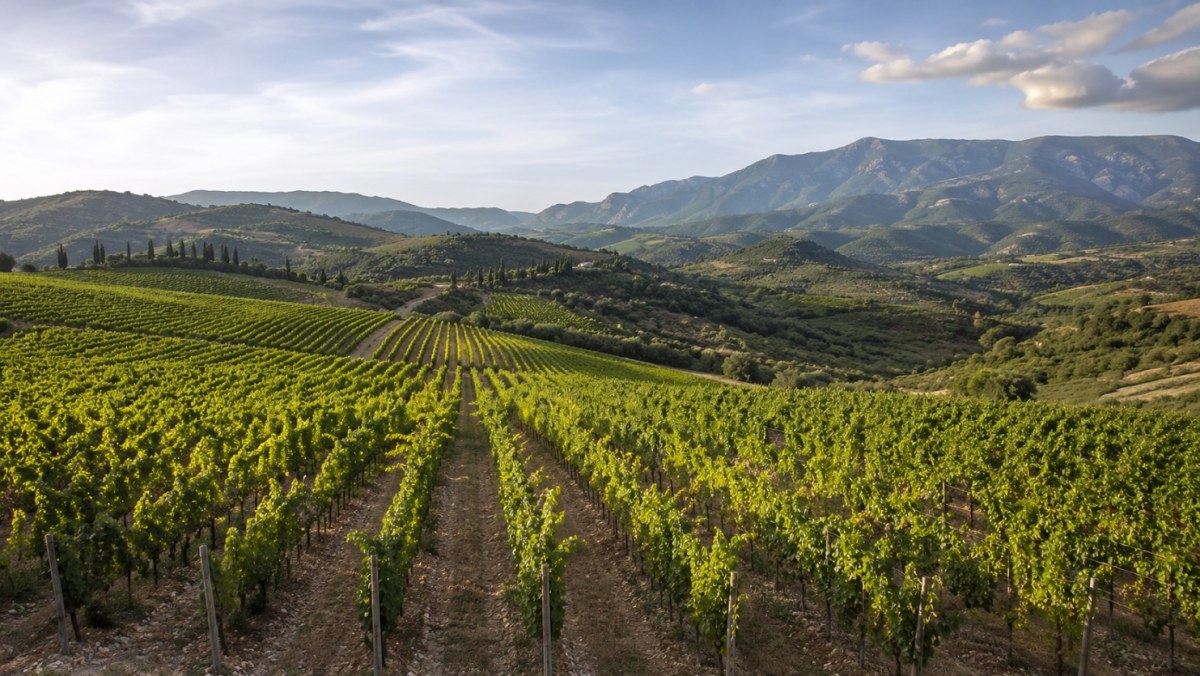
The region consists of valleys and hills with vineyards planted at varying elevations. Vineyards can range from around 250 to over 900 metres above sea level, creating different growing conditions and allowing producers to craft a wide range of styles.
Agiorgitiko is the defining grape of Nemea. It can produce youthful, fruit-driven reds, fresh rose wines and structured barrel-aged examples capable of ageing.
PDO Nemea is one of Greece's most recognised wine designations. The region's history, mythology and proximity to major archaeological sites add cultural depth to the wine experience.
Nemea matters because it demonstrates the versatility and appeal of Greek red wine. For many visitors, it provides the clearest introduction to Agiorgitiko.
Macedonia
Structure, elegance and age-worthy reds
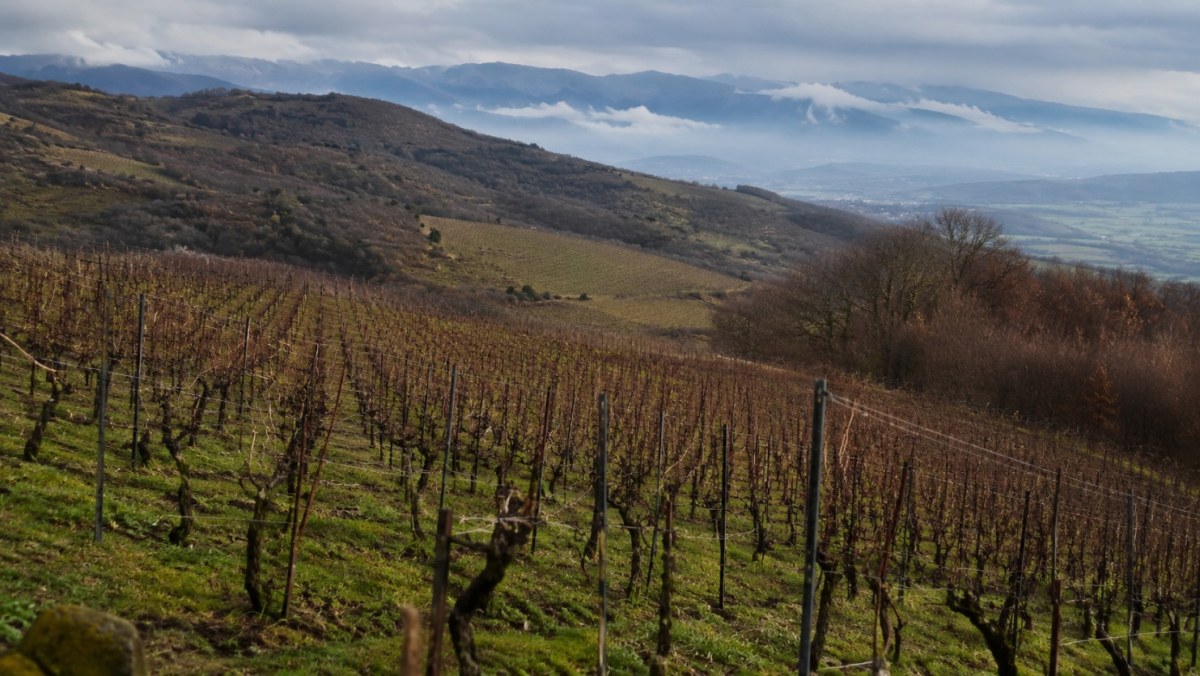
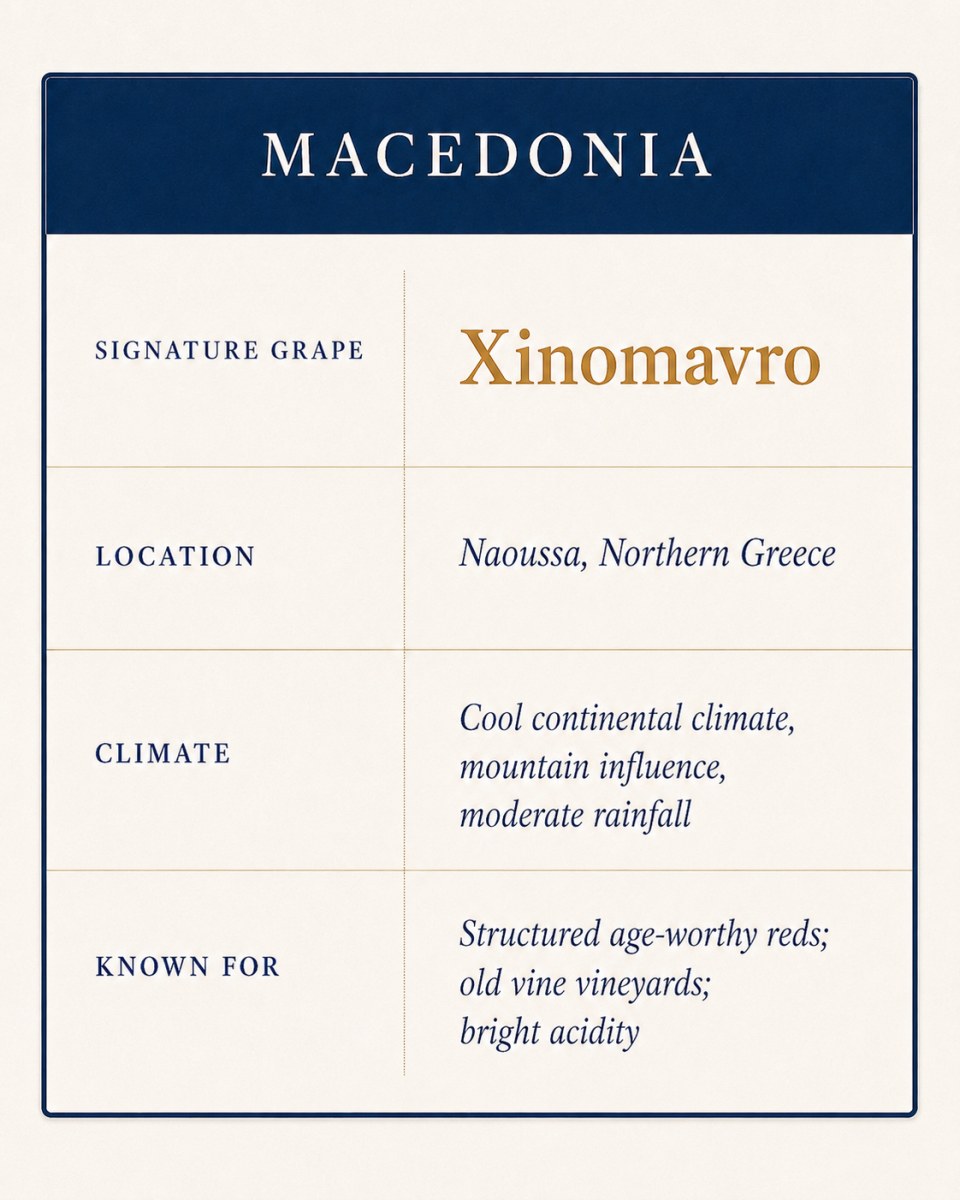
Northern Greece's Macedonia region is home to some of the country's most respected producers and wine regions. Its cooler climate and varied topography create conditions for wines of structure, elegance and longevity.
Macedonia includes Naoussa, Amyndeon, Goumenissa and Epanomi among other important wine-producing areas. The region is best known for Xinomavro, which produces many of Greece's most celebrated red wines.
Compared with southern Greece, Macedonia experiences cooler growing conditions. These preserve acidity and contribute to distinctive styles. The region also produces white wines, sparkling wines and blends from both indigenous and international varieties.
For wine enthusiasts, Macedonia offers some of the most serious and age-worthy wines in Greece. It is also home to several of the country's most influential producers.
Santorini
Where volcanic soil meets vine
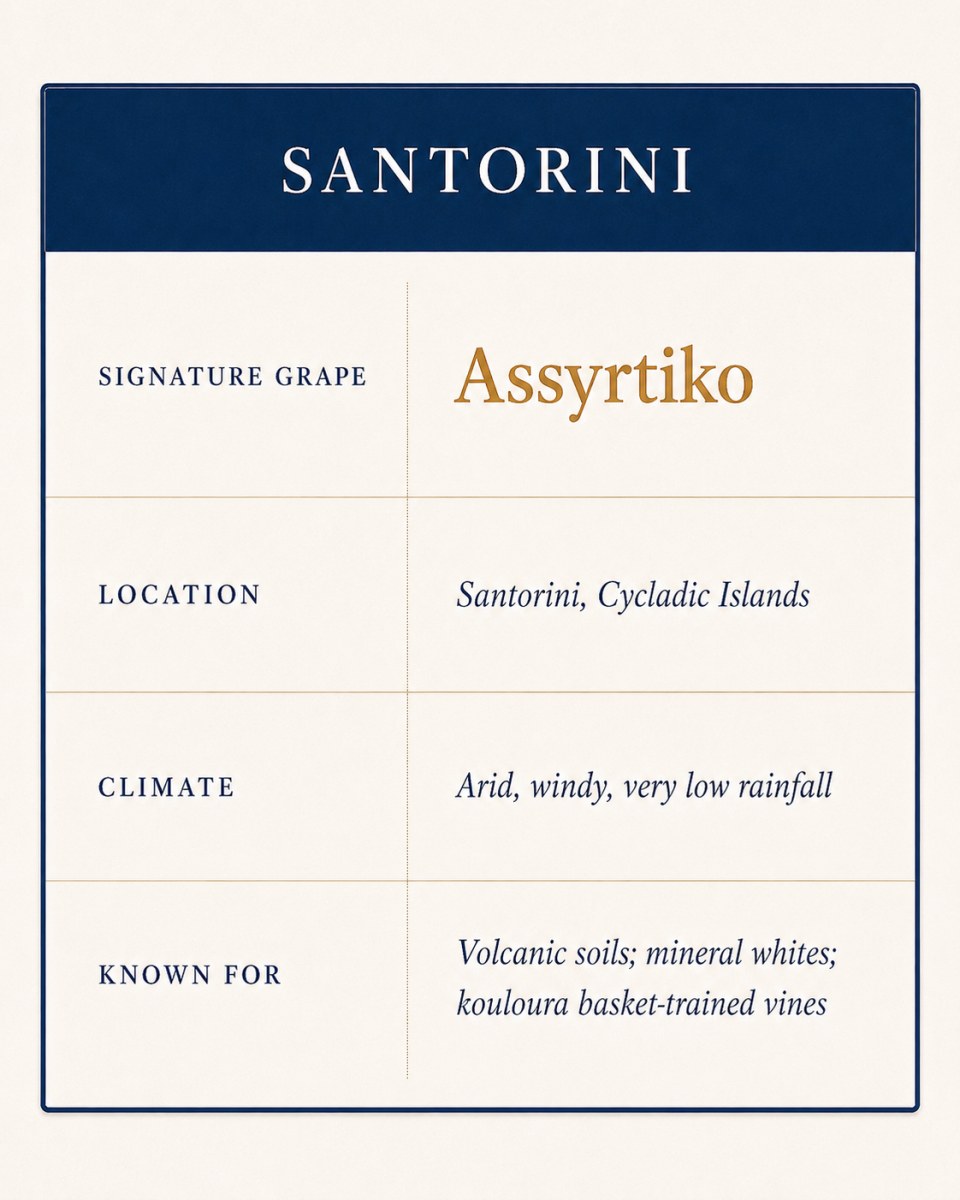
Few wine regions in the world are as distinctive as Santorini. The island's volcanic landscape, ancient vineyards and unique viticultural practices create one of the most fascinating wine destinations on earth.
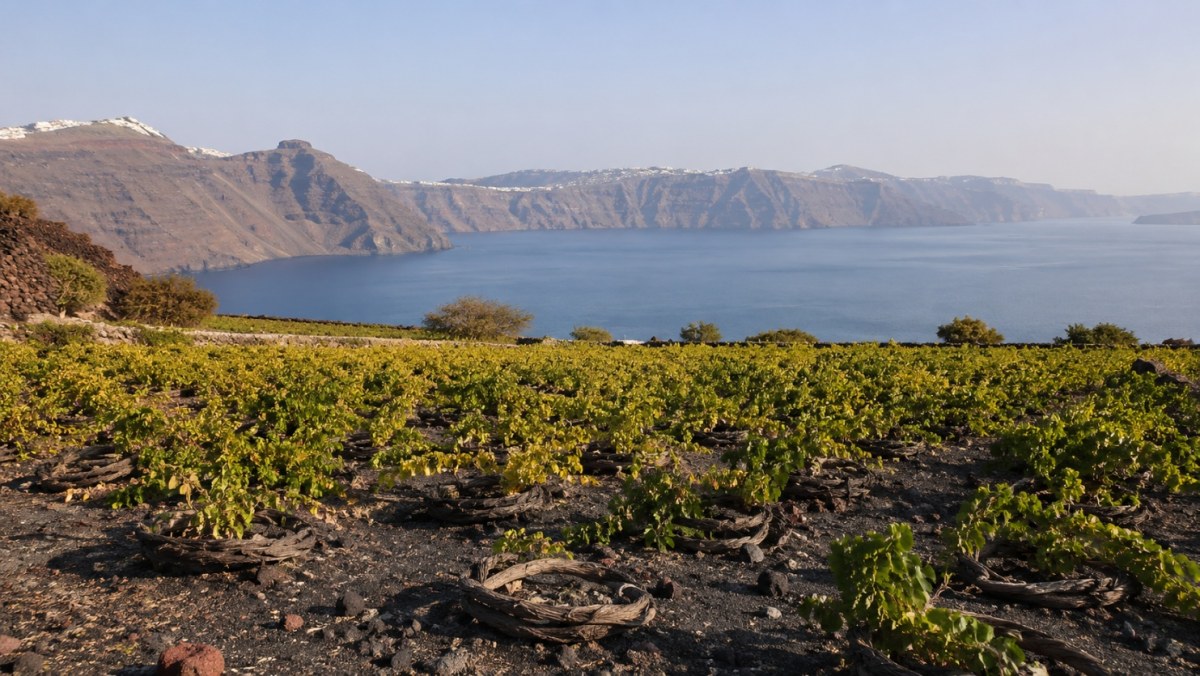
Santorini was shaped by a massive volcanic eruption thousands of years ago. Its soils are volcanic, mineral-rich and low in organic matter. Rainfall is limited, summer conditions can be harsh and strong winds sweep across the island.
These conditions have shaped both the vines and the wines. Growers traditionally train vines into basket-shaped kouloura formations to protect grapes from wind and intense sunlight. Irrigation is limited, and the vines must work hard to survive.
Santorini is the home of Assyrtiko, which achieves some of its most celebrated expressions here. The island also produces Vinsanto, a traditional sweet wine made from sun-dried grapes and historically prized beyond Greece.
Unlike most European regions, Santorini escaped phylloxera, leaving many vines on original rootstocks. Some vineyards are very old, adding to the island's viticultural importance.
Santorini matters because few regions demonstrate the relationship between environment and wine so clearly.
Crete
4,000 years of winemaking history
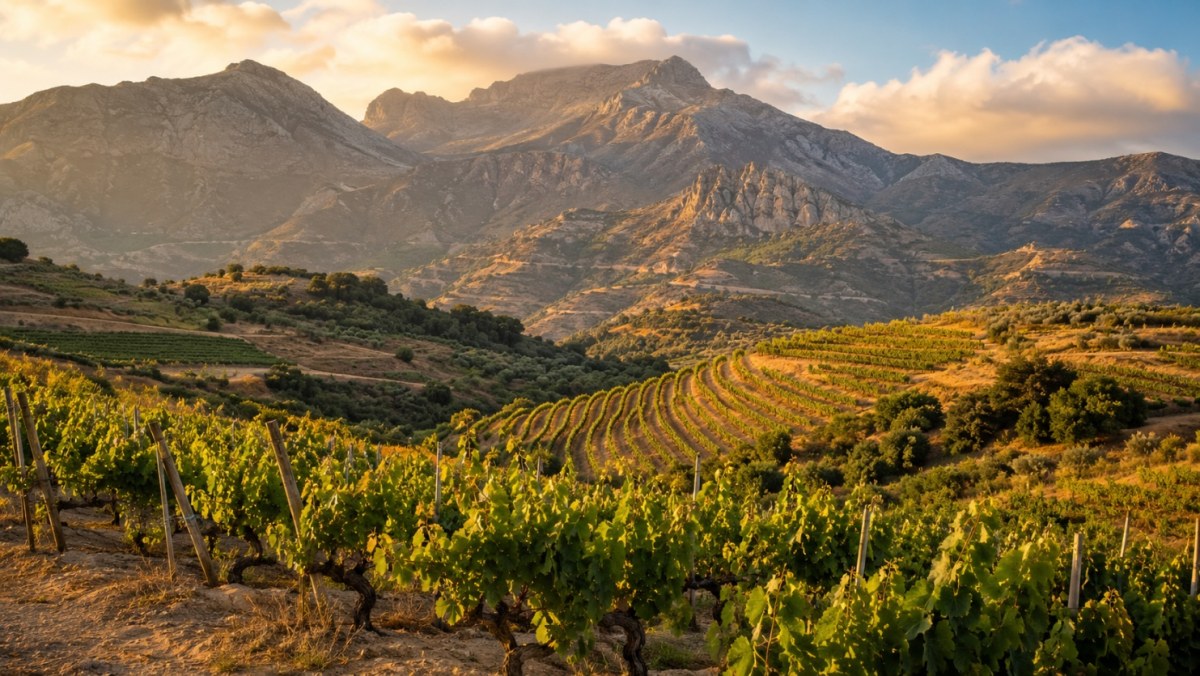
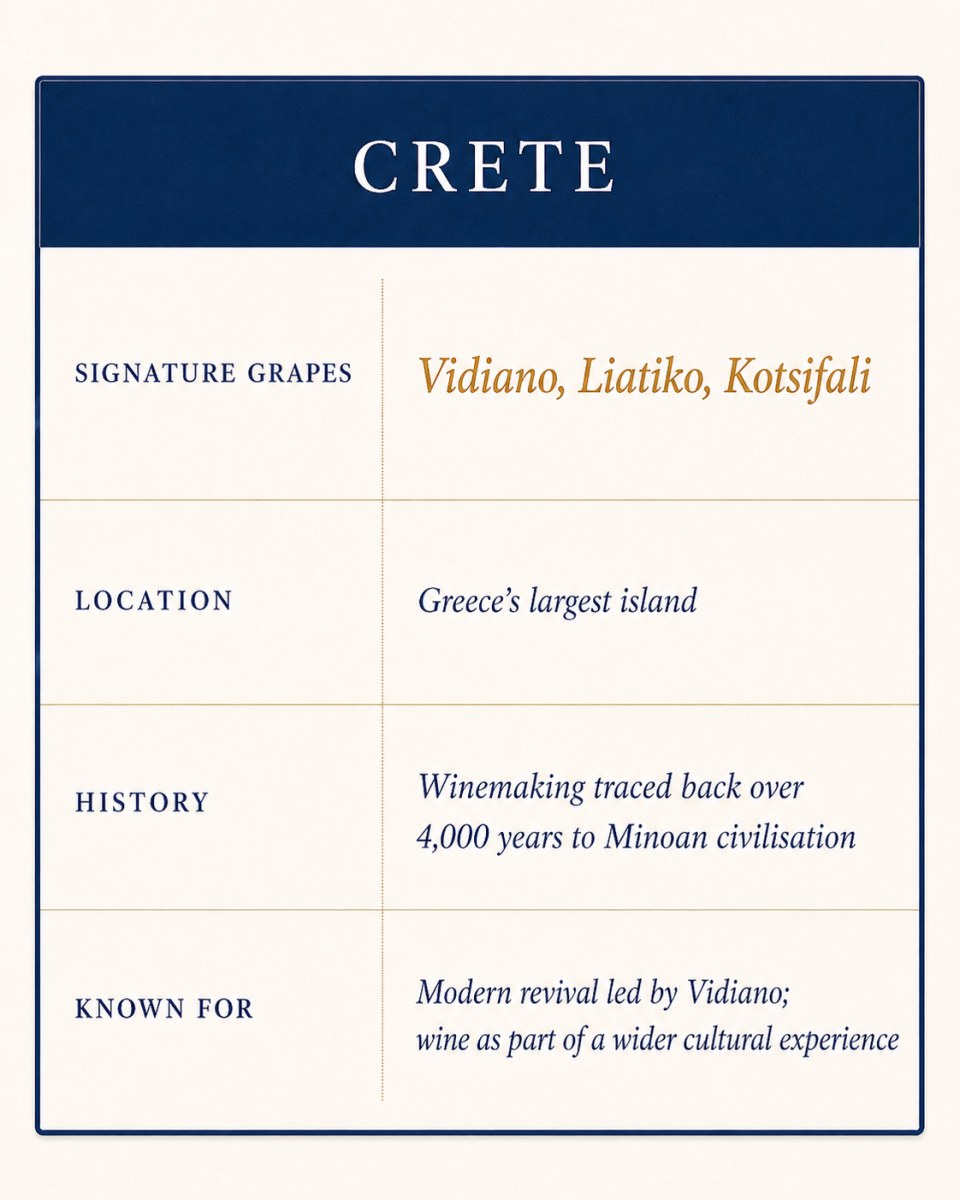
Crete combines ancient history, dramatic landscapes and a rapidly evolving wine industry. As Greece's largest island, it possesses a remarkable diversity of climates and terroirs.
Winemaking in Crete stretches back more than 4,000 years to the Minoan civilisation, one of Europe's earliest advanced societies. Wine was part of daily life, trade and ritual long before many famous European wine regions emerged.
The island is home to important indigenous varieties including Vidiano, Liatiko and Kotsifali. In recent decades, renewed focus on these varieties has transformed perceptions of Cretan wine.
Modern producers are investing in better vineyard practices, improved winemaking and clearer regional identity. Vidiano in particular has become a symbol of Crete's modern wine revival.
Crete's cuisine, history and landscapes add to its appeal. Wine forms part of a broader cultural experience rooted in hospitality, agriculture and local tradition.
Papagiannakos
Attica
Papagiannakos is one of the leading producers helping redefine Attica and its traditional grape varieties. The winery combines modern winemaking with respect for local tradition.
REGION
Attica
SIGNATURE VARIETIES
Savatiano, Retsina, Assyrtiko
Why It Matters
It has played an important role in demonstrating the quality potential of Savatiano and premium Retsina.
Why We Visit
Papagiannakos provides an excellent introduction to modern Greek wine and shows how traditional styles can be reinterpreted through quality-focused winemaking.
Gaia
Nemea and Santorini
Gaia is one of Greece's most influential producers, with important work in both Nemea and Santorini.
REGION
Nemea and Santorini
SIGNATURE VARIETIES
Agiorgitiko, Assyrtiko
Why It Matters
Gaia has helped elevate the reputation of Agiorgitiko and Assyrtiko through a commitment to quality and innovation.
Why We Visit
Gaia provides an opportunity to experience two of Greece's most significant wine regions through one of its leading producers.
Gerovassiliou
Epanomi, near Thessaloniki
Gerovassiliou is one of Greece's most respected wineries and a central figure in the modern Greek wine revival.
REGION
Epanomi, near Thessaloniki
SIGNATURE VARIETIES
Malagousia, Assyrtiko, red blends
Why It Matters
The estate helped rescue Malagousia from near extinction and remains one of the variety's most important producers.
Why We Visit
Gerovassiliou demonstrates how vision, technical skill and respect for local varieties can transform a country's wine industry.
Biblia Chora
Eastern Macedonia
Biblia Chora is one of northern Greece's respected wineries, located beneath the slopes of Mount Pangaion.
REGION
Eastern Macedonia
SIGNATURE VARIETIES
Assyrtiko, Sauvignon Blanc, red blends
Why It Matters
The winery combines indigenous and international varieties while maintaining regional identity.
Why We Visit
Biblia Chora offers insight into the modern evolution of Greek wine and the growing reputation of Macedonia.
Mikro Ktima Titos
Goumenissa
Mikro Ktima Titos is a boutique producer that reflects the energy and diversity of modern Greek wine.
REGION
Goumenissa
SIGNATURE VARIETIES
Local and regional varieties
Why It Matters
Smaller producers often provide intimate experiences and show another side of the wine industry.
Why We Visit
Mikro Ktima Titos offers a more personal perspective on Greek winemaking and the wine-producing heritage of northern Greece.
Zafeirakis
Tyrnavos
Zafeirakis is closely associated with Tyrnavos and has become a leading advocate for Limniona.
REGION
Tyrnavos
SIGNATURE VARIETIES
Limniona, Assyrtiko
Why It Matters
The estate has played a significant role in bringing attention to this elegant, emerging Greek red variety.
Why We Visit
Zafeirakis offers a chance to discover one of Greece's most exciting indigenous grape varieties.
Thymiopoulos
Naoussa
Thymiopoulos is widely regarded as one of Greece's leading producers of Xinomavro.
REGION
Naoussa
SIGNATURE VARIETIES
Xinomavro
Why It Matters
The winery has helped redefine international perceptions of Xinomavro, producing wines that combine elegance, authenticity and a strong sense of place.
Why We Visit
Thymiopoulos provides one of the finest introductions to Greece's flagship red grape variety.
Estate Argyros
Santorini
Estate Argyros is one of Santorini's most important and historic wineries.
REGION
Santorini
SIGNATURE VARIETIES
Assyrtiko, Vinsanto
Why It Matters
The estate is internationally recognised for exceptional Assyrtiko and its role in preserving Santorini's viticultural heritage.
Why We Visit
Estate Argyros offers one of the clearest expressions of Santorini's volcanic terroir and winemaking traditions.
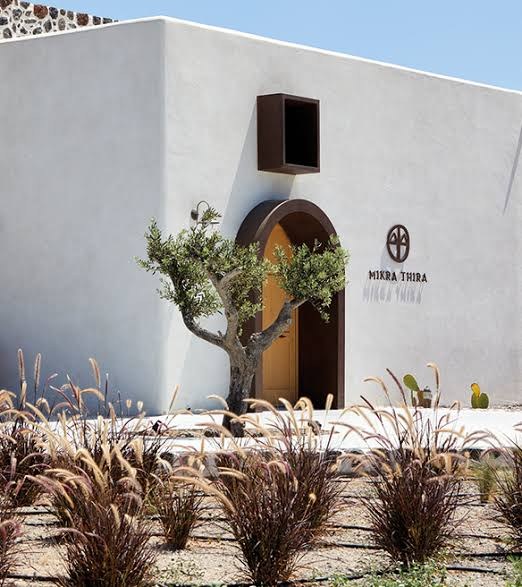
Mikra Thira
Thirassia / Santorini
Mikra Thira represents a newer generation of Santorini producers focused on the island's distinctive identity.
REGION
Thirassia / Santorini
SIGNATURE VARIETIES
Assyrtiko
Why It Matters
The winery highlights traditional varieties through a contemporary lens and offers a different perspective on the Santorini wine story.
Why We Visit
Mikra Thira shows the continuing evolution of the Cyclades as a serious wine destination.
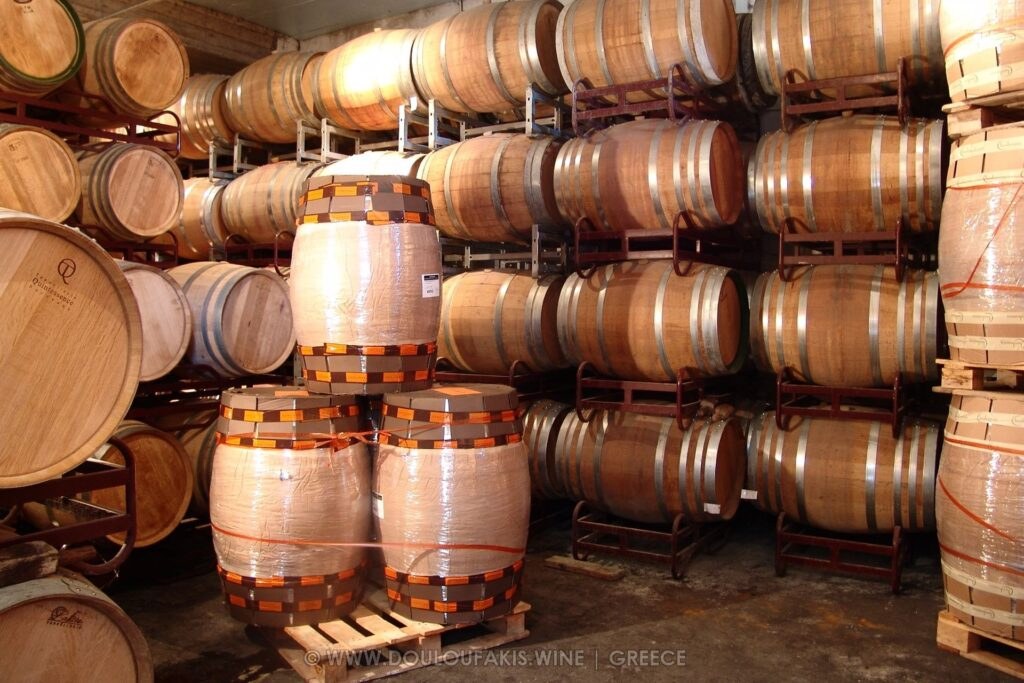
Douloufakis
Crete
Douloufakis is one of Crete's leading wineries and an important ambassador for Cretan wine.
REGION
Crete
SIGNATURE VARIETIES
Vidiano, Liatiko
Why It Matters
The winery has helped promote indigenous Cretan varieties and demonstrate their quality potential.
Why We Visit
Douloufakis provides a fitting conclusion to the guide, showing the diversity, history and future potential of Crete's indigenous grapes.
Glossary
Acidity
The freshness or mouth-watering sensation in wine.
Alcohol
Produced during fermentation when yeast converts sugar into alcohol.
Body
The weight or texture of a wine in the mouth.
Bouquet
Complex aromas that develop as a wine ages.
Dry
A wine containing little or no residual sugar.
Fermentation
The process by which yeast converts sugar into alcohol.
Finish
The length of time flavours remain after swallowing.
Oak
Wooden barrels used to mature some wines.
PDO
Protected Designation of Origin, a defined wine origin with specific production rules.
PGI
Protected Geographical Indication, a defined wine origin with greater production flexibility.
Residual Sugar
Natural grape sugar remaining after fermentation.
Tannin
Compounds found primarily in grape skins that create a drying sensation.
Terroir
The combined influence of climate, soil, geography and tradition on a wine.
Variety
A specific type of grape, such as Assyrtiko or Chardonnay.
Vintage
The year in which the grapes were harvested.
Viticulture
The cultivation and management of grapevines.
Further Reading and Resources
For readers wishing to continue their wine journey, the following resources are useful starting points.
Books: The World Atlas of Wine, The Oxford Companion to Wine, and Wine Folly: Magnum Edition.
Education: Wine appreciation courses, structured tastings, and formal wine education can all help build confidence.
Greek Wine Resources: Winery websites, regional producer associations and specialist Greek wine importers are useful sources for current releases and producer information.
The best education remains tasting widely, asking questions and remaining curious.